
Last updated September 23, 2026
Whole-system duct and dryer vent check with before-and-after photos - you see exactly what came out of your vents
That "$99 whole-house special" is a bait ad - the real number appears once they are in your hallway, or the "clean" is a shop-vac at the register. We photograph the inside of your ducts before and after instead.
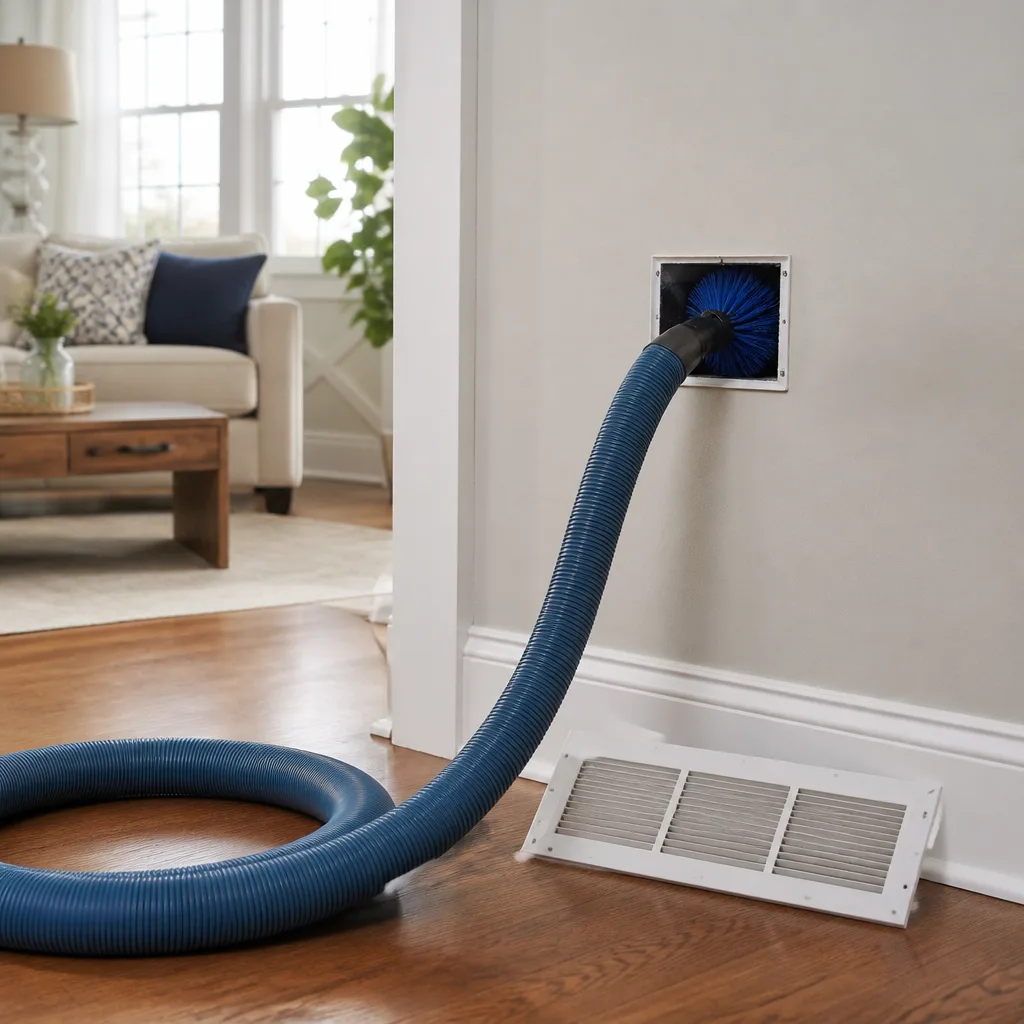
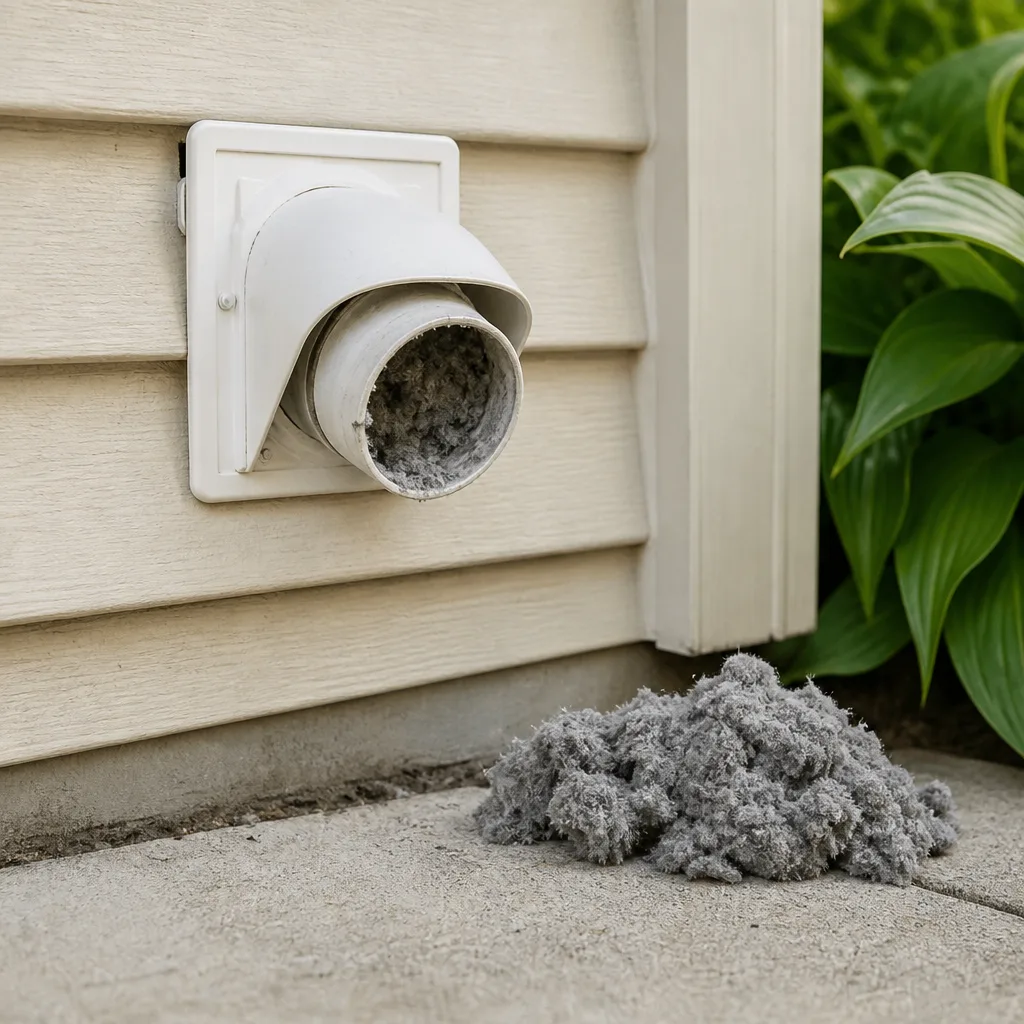
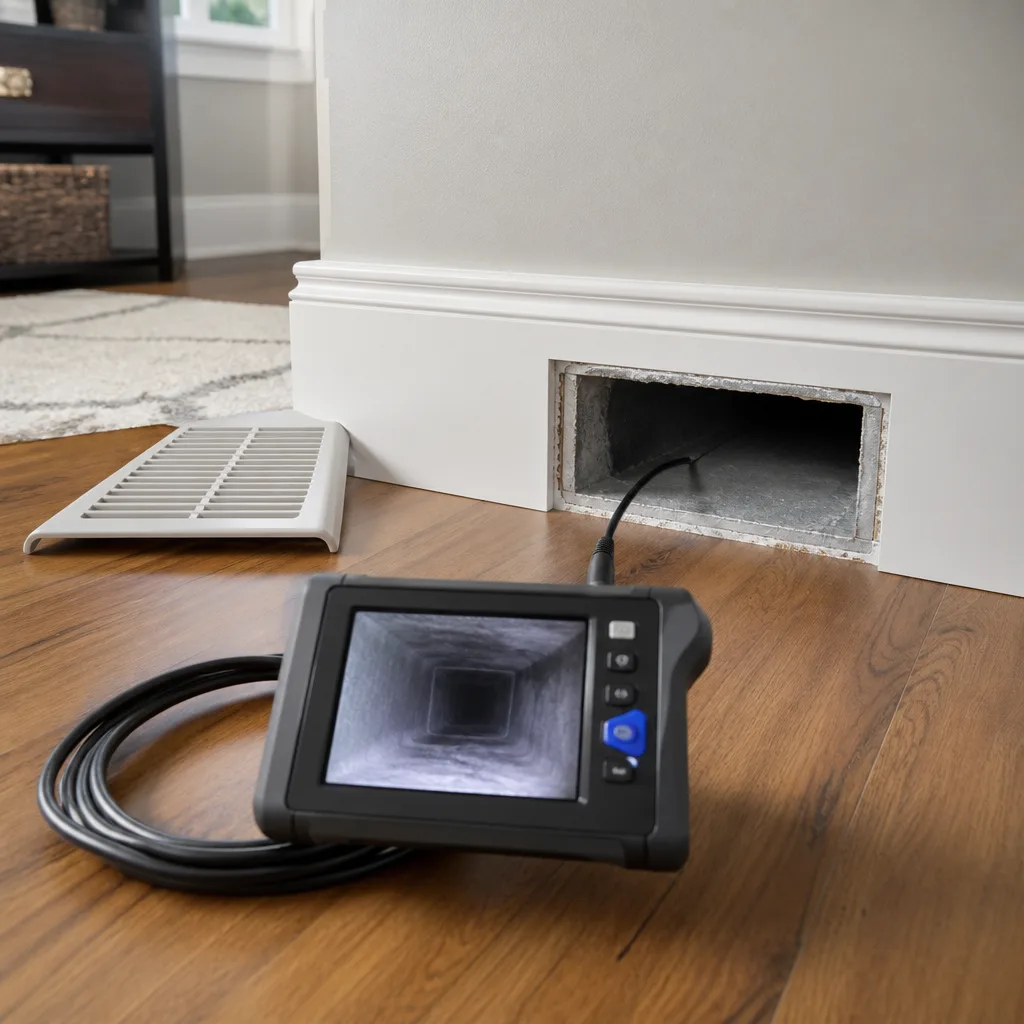
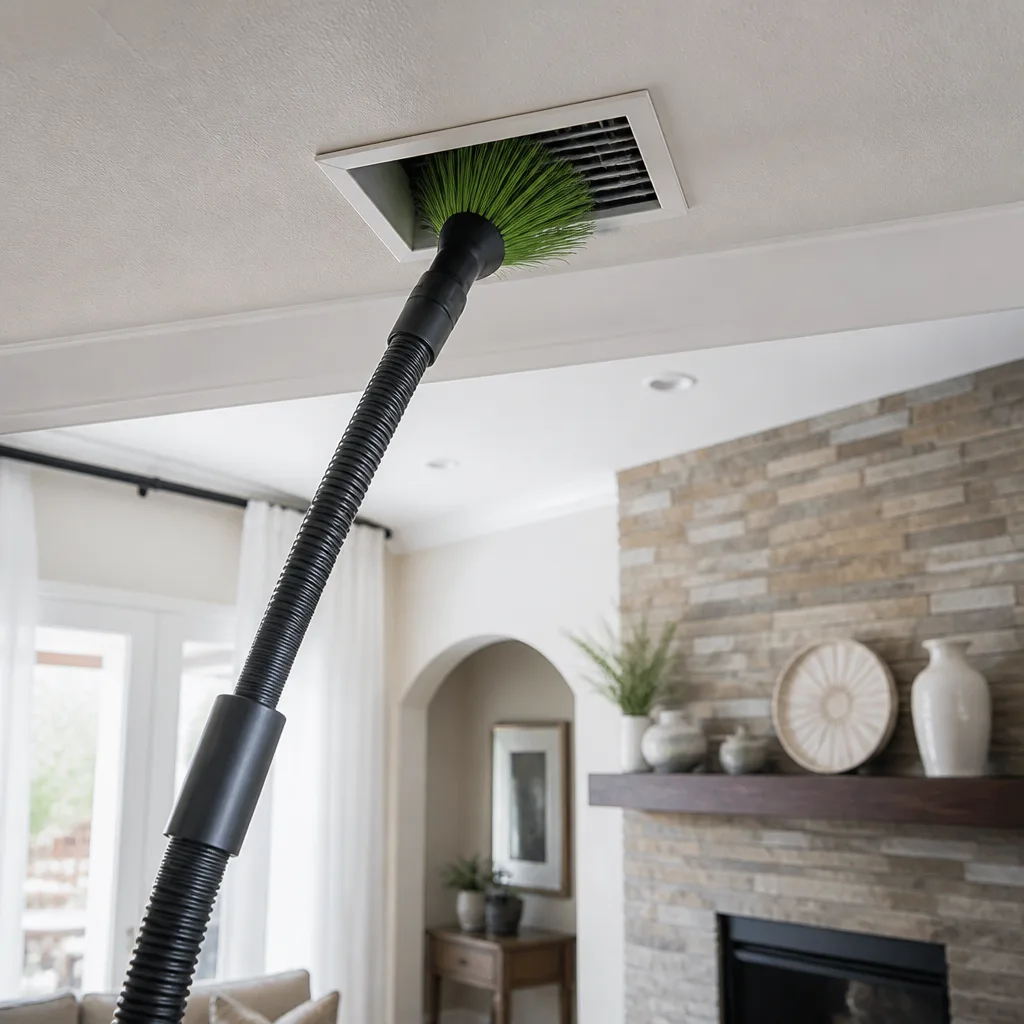
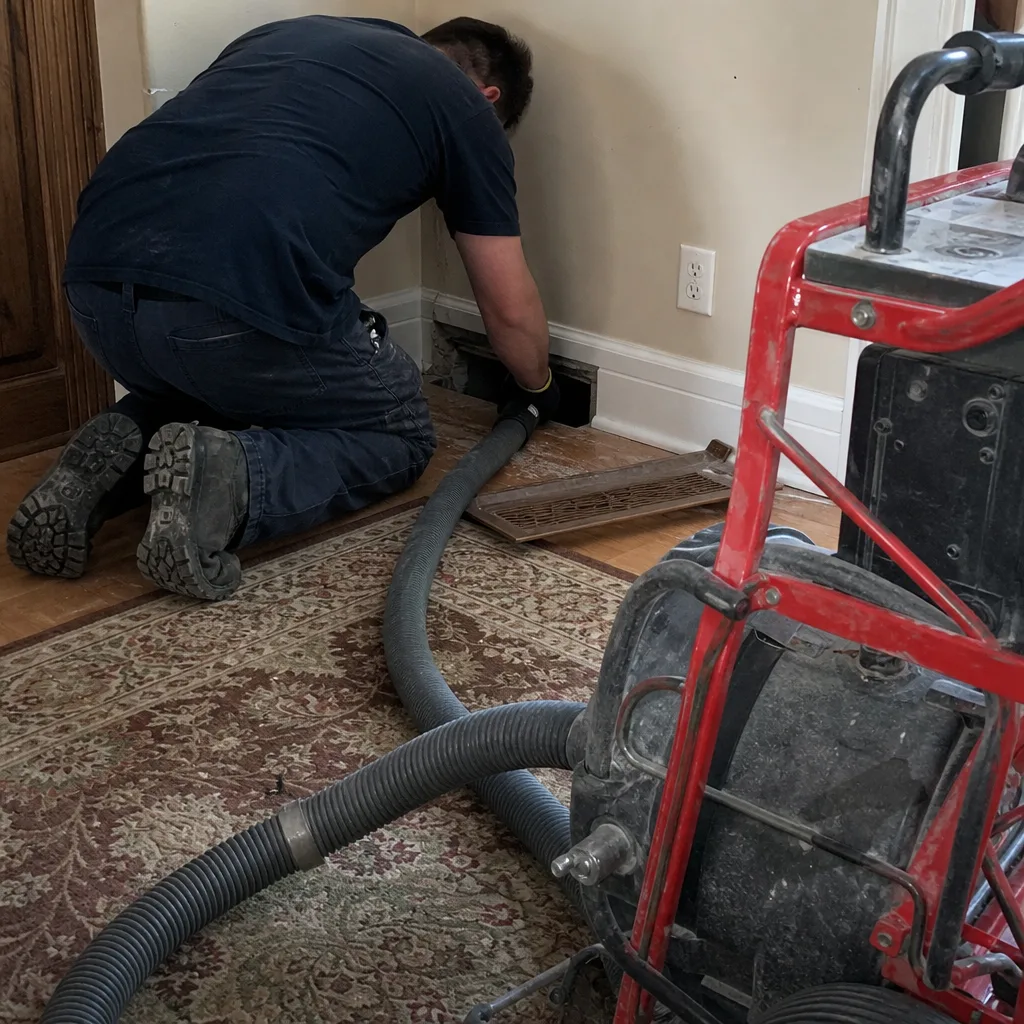 Before
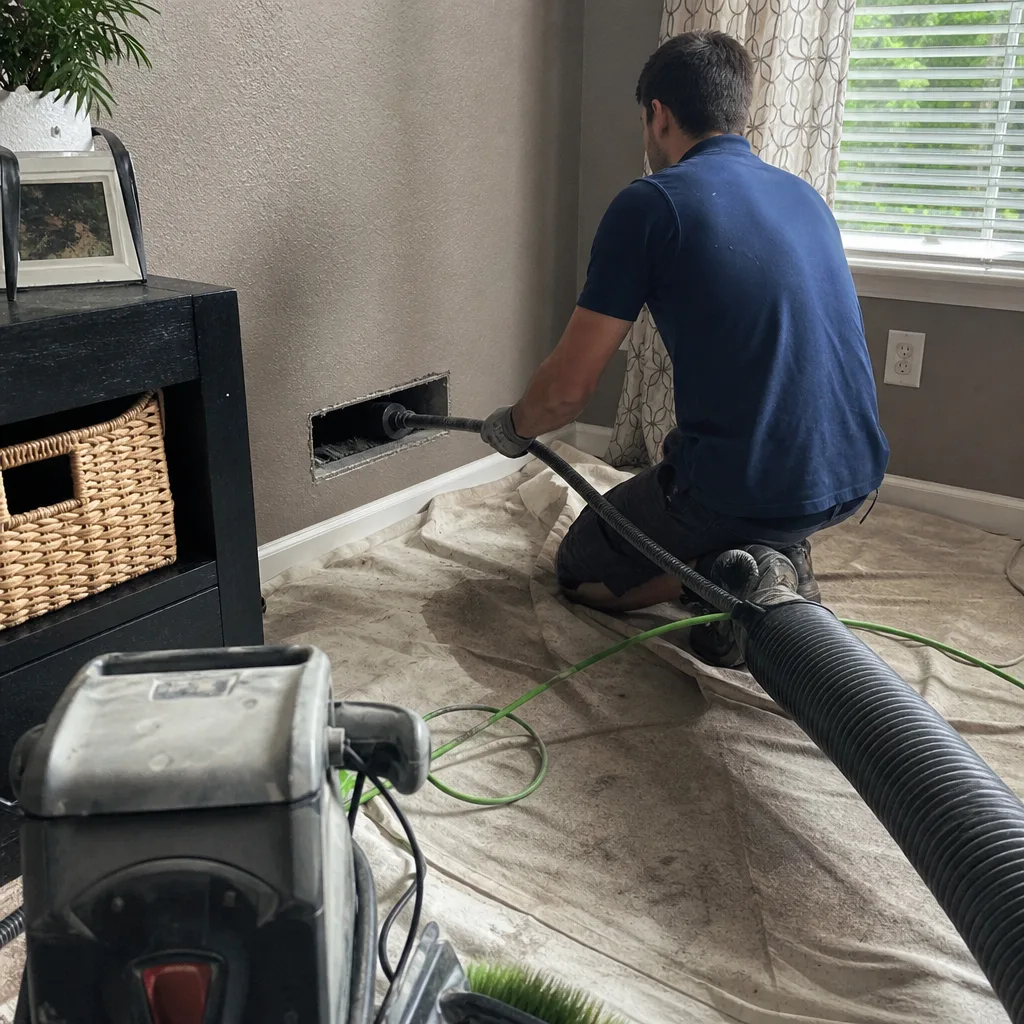 After
After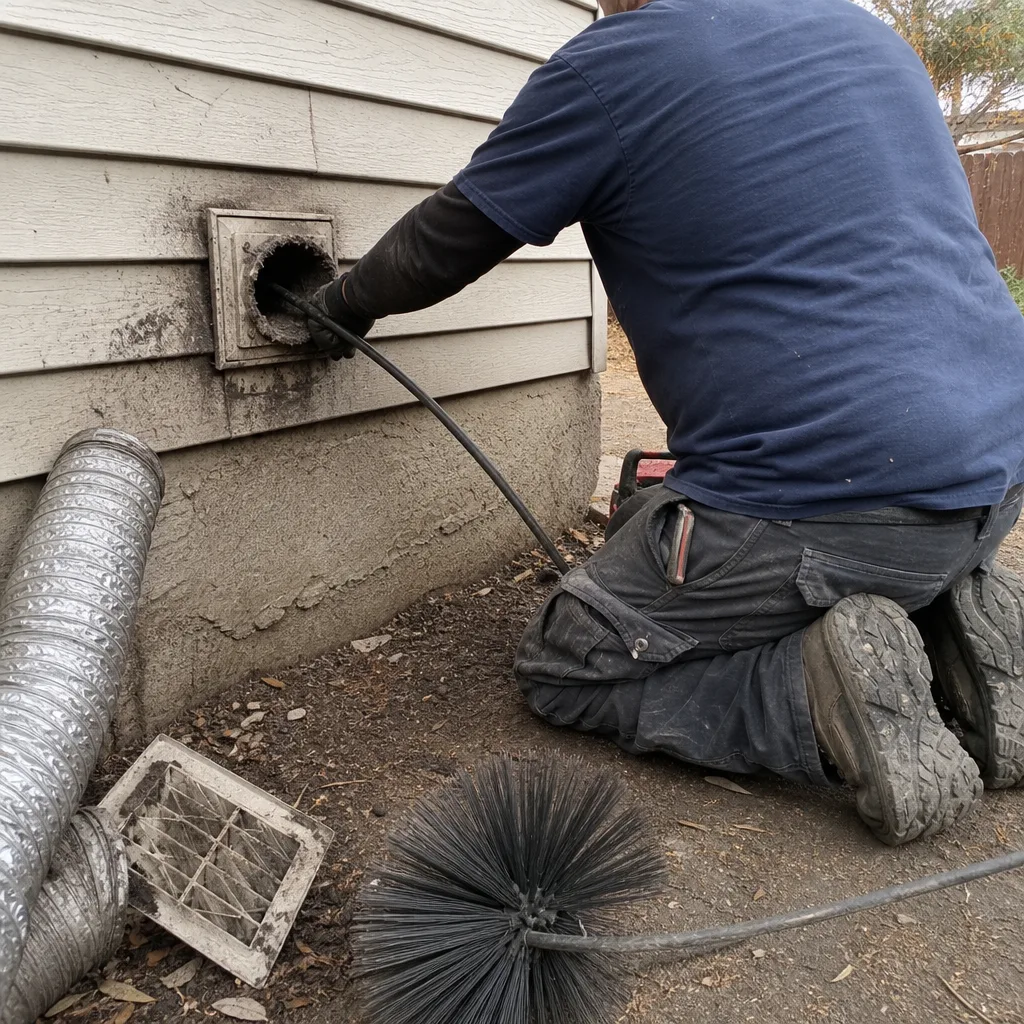 Before
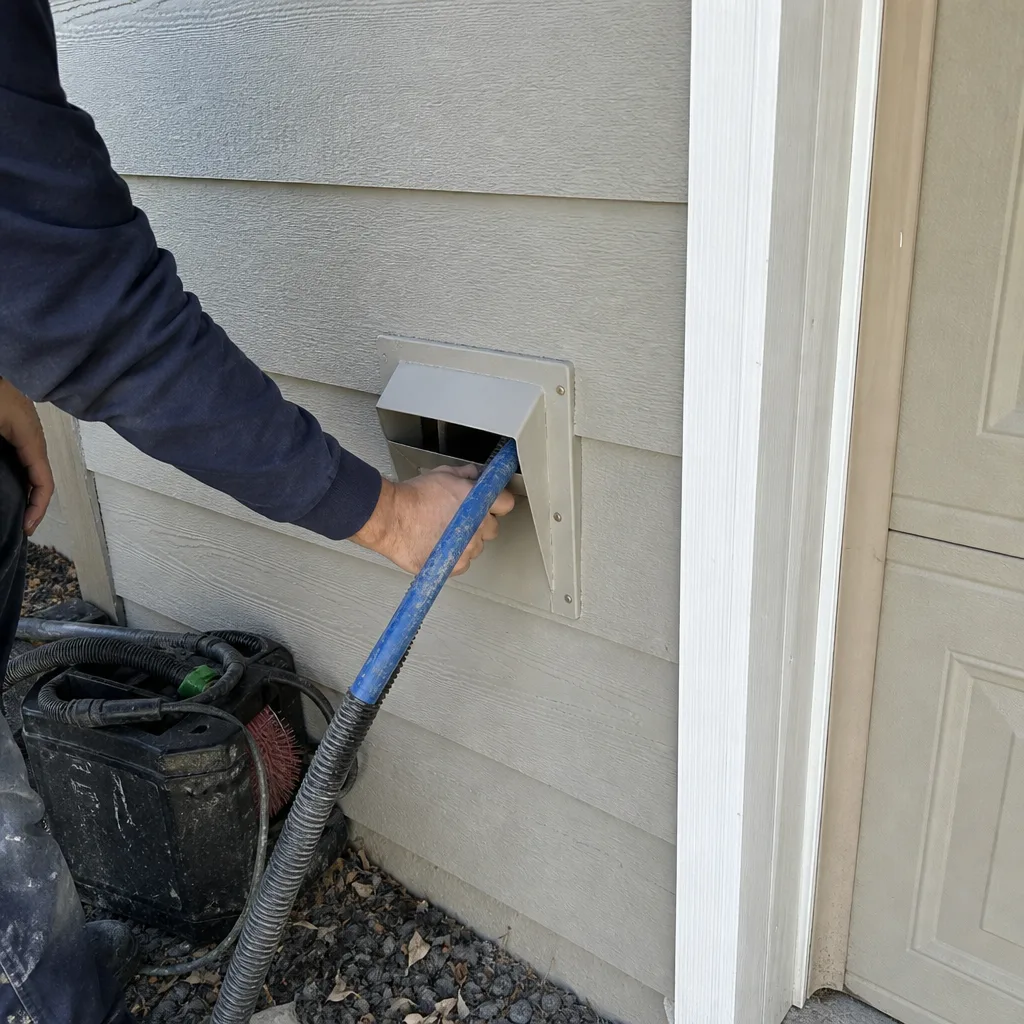 After
After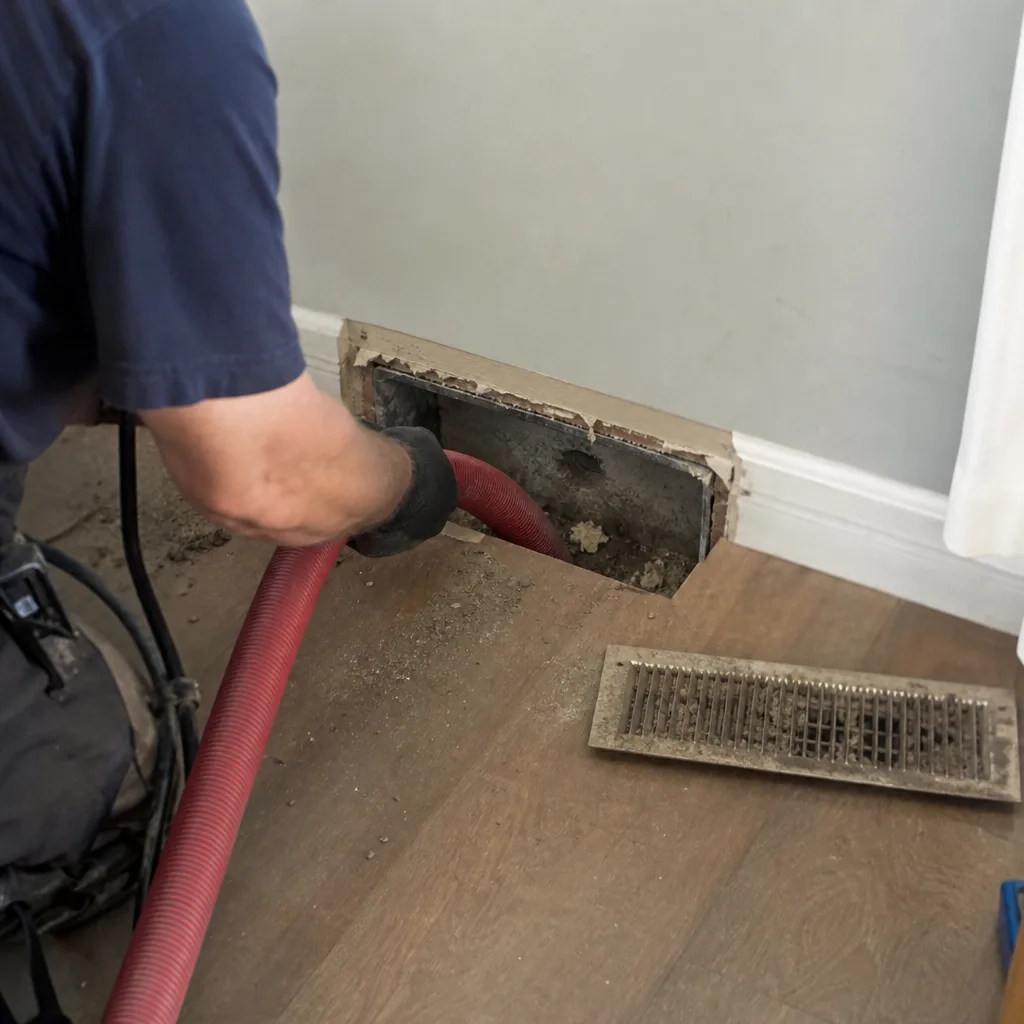 Before
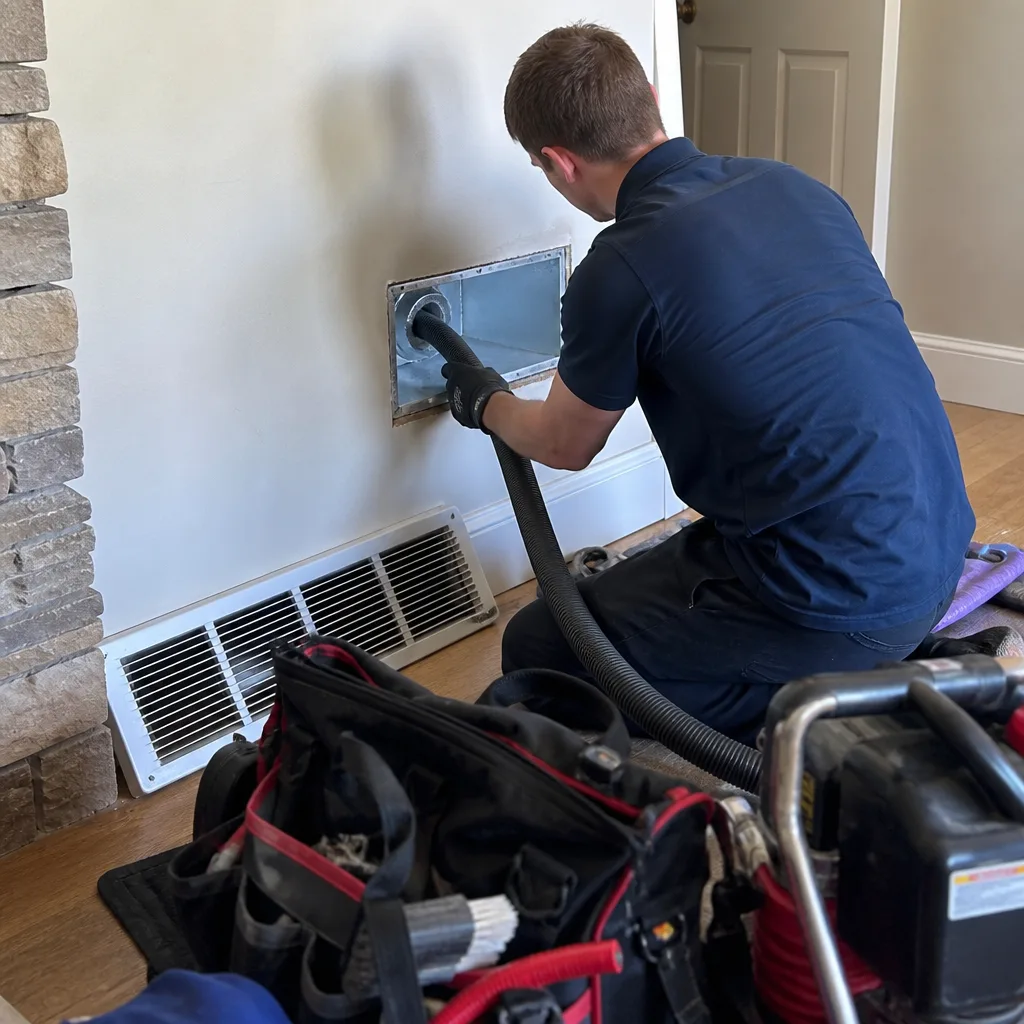 After
AfterThe Complete Guide to Air Duct Cleaning in Littleton
The EPA does not recommend air duct cleaning as a routine service. That single sentence, buried in the agency’s official guidance, contradicts most of what you’ll see in Littleton mailers and coupon packs. Yet the same EPA document lists specific conditions where cleaning is clearly warranted: visible mold growth, rodent or insect infestation, and debris buildup that actually restricts airflow. The problem for Littleton homeowners isn’t whether ducts ever need cleaning; it’s that the industry has trained people to buy on price and schedule, not on documented need and verifiable results. In this guide, we’ll show you what a real clean looks like, why Littleton’s high-desert environment creates different debris patterns than humid-climate advice accounts for, and how to protect yourself from the $79 coupon that becomes a $600 invoice once the van is in your driveway. For DIY vs Professional Air Duct Cleaning: The Littleton Homeowner’s Decision Guide, see our companion resource.
Quick Answer
Air duct cleaning in Littleton typically costs $400-$900 for a whole-home system, depending on square footage, number of duct runs, and whether the job includes the plenum (the main distribution box) and registers. A legitimate Air Duct Cleaning services job uses negative-pressure extraction equipment, photographs every duct run before and after, and delivers a written price before any work begins. A truck-and-blower visit that skips documentation is not the same service, regardless of what the coupon claimed.
Table of Contents
- The EPA Gap: When Duct Cleaning Actually Makes Sense
- How Littleton’s Altitude and Dust Load Change the Math
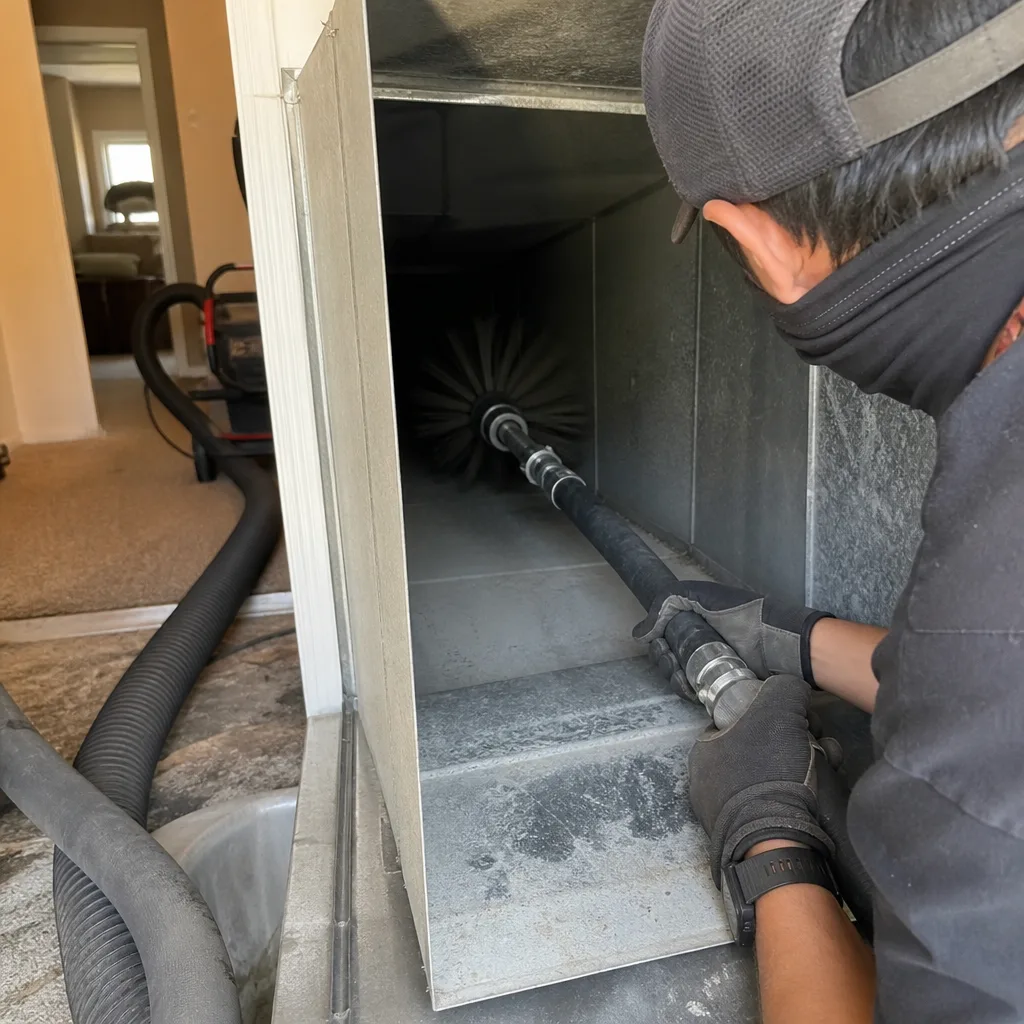
- What a Camera Inspection Actually Shows
- Negative-Pressure Extraction vs. Shop-Vac-and-Brush
- What Real Documentation Looks Like
- Written Price Before Work Starts: Your Only Real Protection
- What Happens During a Documented Clean
- Common Mistakes to Avoid
- When to Call a Professional
- Frequently Asked Questions
- The Bottom Line
BeforeAfterThe EPA Gap: When Duct Cleaning Actually Makes Sense
The Environmental Protection Agency’s 1997 guidance on residential air duct cleaning remains the most-cited federal document on the subject. It states clearly: “EPA does not recommend that air ducts be cleaned except on an as-needed basis.” The agency’s concern was straightforward: routine cleaning, performed without cause, wastes money and can actually damage ductwork or release more particles into living space than it removes.
But the same document identifies three conditions where cleaning is justified:
- Visible mold growth inside hard surface ducts or on other components of the heating and cooling system.
- Evidence of rodent or insect infestation, including droppings, nesting material, or actual specimens.
- Excessive debris and dust that is actually being released into the home from supply registers.
The gap between “not routine” and “sometimes necessary” is where most homeowners in Littleton get lost. National chains and coupon mailers push scheduling frequency - “every 3-5 years” - that the EPA explicitly does not endorse. Meanwhile, legitimate conditions like post-construction debris in new Littleton builds (Commonwealth, Sterling Ranch, and other 2015-2025 developments) or pet dander matting in homes with multiple animals go unaddressed because the homeowner doesn’t know what to look for.
We’ve been in Littleton homes where the camera showed a 3-inch debris build-up at the first elbow of the main trunk line, completely blocking airflow to the master bedroom. The homeowner had been told by a previous company that the ducts were “fine” because no mold was visible at the register. That visit used no camera, no measurement, and no documentation. The debris was found because we inspect before quoting, not after collecting a dispatch fee.
The key distinction: cleaning without inspection is selling a visit. Cleaning after documented findings is selling a solution to a verified problem. Air Duct Cleaning in Littleton should start with evidence, not a calendar reminder.
How Littleton’s Altitude and Dust Load Change the Math
Most air duct cleaning advice online is written for humid climates: Florida, Georgia, the Ohio River Valley. Littleton’s conditions at 5,400 feet elevation create a different debris profile that affects both how ducts get dirty and how they should be cleaned.
High-desert dust composition. Littleton’s dust carries more silica and mineral content than organic-rich humid-climate dust. This matters because silica-heavy debris is more abrasive to duct interiors and doesn’t clump or mat the way pollen-dominant dust does. We’ve photographed duct runs in Ken Caryl and Columbine where the debris layer had a granular, sandpaper-like texture that standard brush systems struggled to dislodge. The equipment roster matters here: Rotobrush and Nikro systems with adjustable brush aggression, matched to negative-pressure extraction, handle this debris profile more effectively than fixed-speed units.
Low humidity and static. Winter humidity in Littleton often drops below 20%. Dry air increases static cling, causing finer particles to adhere to duct walls more tenaciously. A shop-vac with insufficient airflow leaves this layer intact. Negative-pressure systems from Abatement Technologies and Honeywell generate the sustained CFM (cubic feet per minute) needed to overcome static adhesion in these conditions.
Wildfire smoke infiltration. The 2020 Cameron Peak Fire and 2021 Marshall Fire introduced a new debris category into Front Range ducts: wildfire particulate, including PM2.5 and volatile organic compounds that settle in ductwork and re-release during heating cycles. Standard cleaning advice written before 2020 doesn’t account for this. In Littleton homes downwind of fire plumes, we’ve found ash residue in returns as far as 18 months after the event, often in layers the homeowner couldn’t smell or see from the register.
Seasonal temperature swings. Littleton’s 30-40 degree daily temperature variation in spring and fall causes duct expansion and contraction that can dislodge debris accumulations suddenly. Homeowners report “dust storms” from registers during the first heating cycle in October - this is often debris that was stable all summer, released by thermal movement, not new contamination.
The practical implication: national “every 3-5 years” advice assumes moderate, humid-climate debris accumulation. Littleton homeowners should base timing on documented inspection findings, not a calendar, and should expect that high-desert conditions may require different equipment settings than a standard national protocol uses. Explore more guides & resources for region-specific maintenance advice.
What a Camera Inspection Actually Shows
A borescope camera inserted into a duct run reveals categories of debris that register-level visual inspection cannot detect. In 12 years of documented Littleton jobs, we’ve recorded consistent patterns that help homeowners understand what they’re actually breathing.
Construction dust (newer homes, 2015-2025). In developments like Sterling Ranch, Solterra, and parts of Highlands Ranch bordering Littleton, we’ve found drywall compound, insulation fragments, and sawdust that builders’ rough cleans missed. This debris is typically heaviest in return ducts, where negative pressure during construction drew particles inward. The camera shows gray, fibrous layers that brush off duct walls in sheets. Without inspection, this debris circulates for years, abrading blower motors and clogging filters prematurely.
Pet dander matting. Homes with multiple pets, especially in Littleton’s older neighborhoods like Old Littleton and Kipling Hills, often show amber, felt-like accumulations at duct elbows and reducer fittings. Dander proteins bind with dust to form mats that standard vacuum pressure won’t move. The camera reveals these as distinct from loose dust: they have structure, fiber orientation, and often trap hair that forms a reinforcing mesh. Brush agitation is required before extraction, and the photo record proves the mat was actually removed, not just surface-loosened.
Mold colonies. Littleton’s low humidity generally suppresses mold, but we’ve found colonies in two specific conditions: evaporator coil drain pan overflows (humidity spikes in summer cooling) and duct runs in unconditioned crawl spaces with ground moisture intrusion. Camera identification is preliminary - lab sampling confirms species - but visual evidence of dark, patterned growth on duct interior surfaces is sufficient to recommend cleaning plus moisture source remediation. We document these findings with location tags and deliver the photos to the homeowner before quoting any work.
Rodent evidence. Field mice enter duct systems through exterior gaps as small as 1/4 inch, common in Littleton homes with aging foundation seals. Camera inspection shows droppings, nesting material (shredded insulation, paper), and grease marks from fur contact. In one Littleton home near Chatfield Reservoir, we found a complete mouse nest blocking a 6-inch return duct; the homeowner had been told for two years that “low airflow in that room” was normal for the system’s age.
Wildfire particulate. Post-2020, we’ve documented gray-black, oily residue in return ducts of homes within smoke plume paths. Unlike household dust, this material smears rather than brushes free, indicating condensed organic compounds. Standard cleaning protocols may require adjusted dwell times and brush speeds to fully remove it.
The camera doesn’t guess. It shows what exists, where it exists, and in what quantity. Every photo is timestamped and location-tagged to the specific duct run. This is the difference between a documented finding and a salesperson’s claim.
Negative-Pressure Extraction vs. Shop-Vac-and-Brush
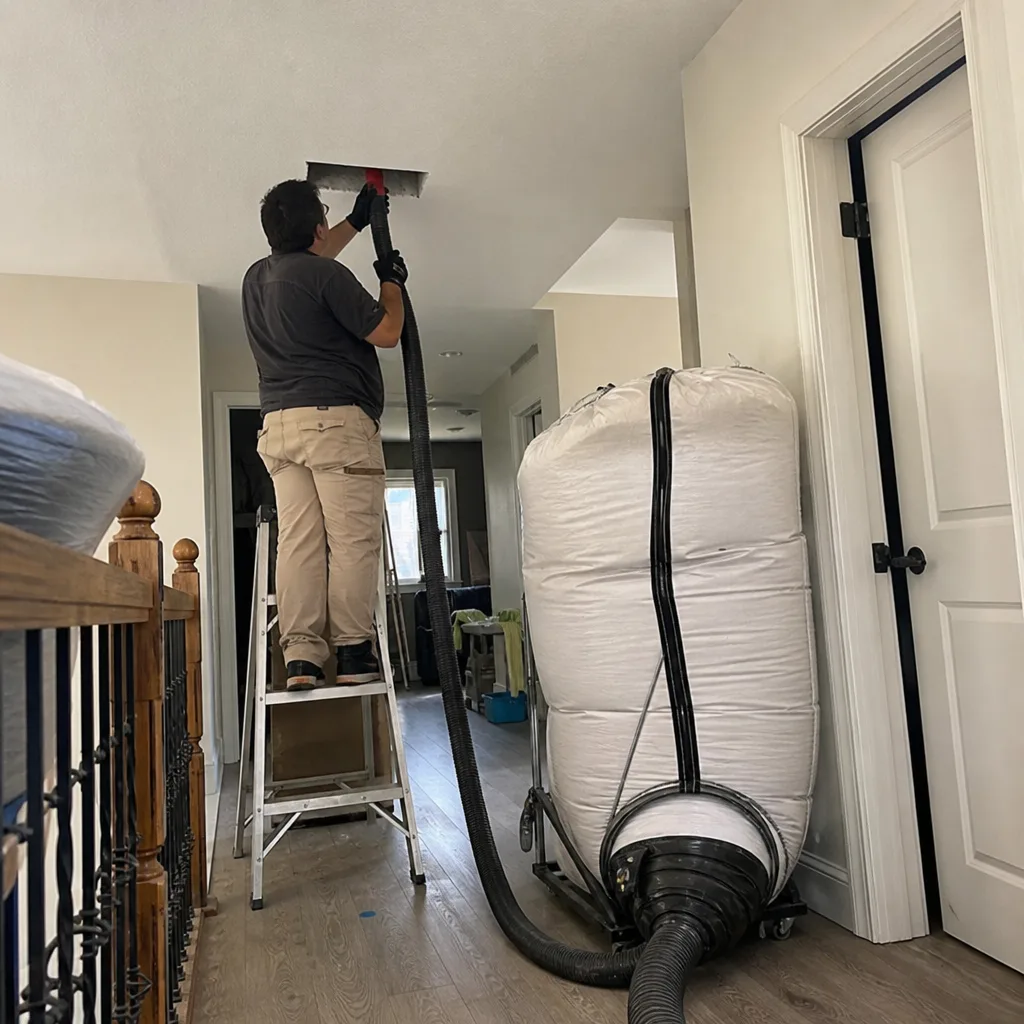
The equipment that arrives at your door determines what happens to the debris inside your ducts. Two systems with the same “air duct cleaning” label can produce opposite results.
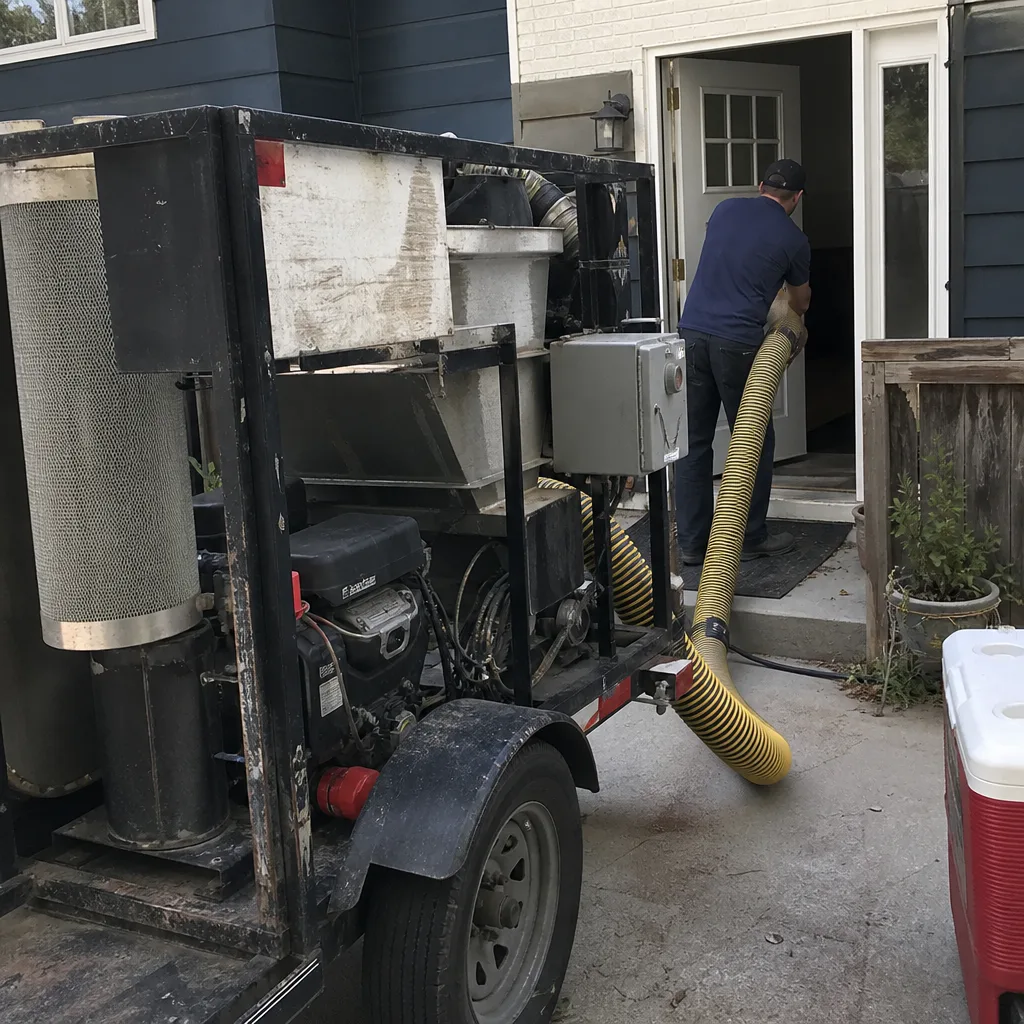
Negative-pressure extraction (the standard we hold). A truck-mounted or portable vacuum generator creates sustained negative pressure throughout the duct system, typically 2,000-4,000 CFM depending on home size. The system is sealed: registers are covered, the vacuum connects to the main trunk line, and agitation tools (brushes, whips, compressed air) dislodge debris that is immediately drawn into the collection chamber. The duct remains under negative pressure throughout, preventing debris release into living space. Equipment from Nikro and Abatement Technologies operates in this category.
Shop-vac-and-brush (the coupon special). A portable wet/dry vacuum, sometimes with a rotary brush attachment, is inserted at individual registers. No system sealing. No sustained negative pressure. The vacuum’s CFM (typically 100-200) is insufficient to overcome static cling or matting. Debris dislodged by the brush often falls deeper into the duct or is released into the room when the vacuum is withdrawn. The operator may clean visible register surfaces and call the job complete.
How to tell which system arrived:
- Sealing. Negative-pressure systems seal all registers with adhesive covers or magnetic sheets before starting. Shop-vac operators typically work one register at a time with no sealing.
- Single connection point. Negative-pressure systems connect the vacuum to one location (usually the plenum or a main trunk access) and clean from the far ends inward. Shop-vac operators move the vacuum to each register.
- Collection chamber inspection. Negative-pressure systems have visible collection chambers (hoppers or bags) that fill with debris. Ask to see it. A chamber with significant debris volume is evidence of actual removal. An empty chamber after “cleaning” 15 duct runs is evidence of vacuum noise, not vacuum function.
- Airflow measurement. Negative-pressure systems typically measure register airflow before and after. Shop-vac operators rarely own an anemometer.
In Littleton’s high-desert conditions, the CFM differential matters more than in humid climates. Static-bound silica dust requires sustained airflow to overcome adhesion. A shop-vac’s brief suction pulse doesn’t achieve this. We’ve reinspected ducts “cleaned” by coupon operators six months prior and found the original debris layer intact, sometimes with new surface scratches from the brush that actually created more particle adhesion sites.
HVAC Cleaning in Littleton that includes the full system - coils, blower, and plenum - requires negative-pressure equipment by definition. Partial-system cleaning with inadequate tools leaves debris in the components that most affect air quality and system efficiency.
What Real Documentation Looks Like
The air duct cleaning industry has no mandatory reporting standard. A company can claim “before and after photos” and deliver two images of a register surface. Here’s what documentation actually proves work occurred, and what we deliver on every job under our CleanRun Air Duct Cleaning Littleton home standard.
Photo record requirements.
- Location-tagged images of every duct run. Not “some ducts” or “representative samples.” Every supply and return run, identified by room and register position.
- Consistent camera depth. Before and after photos taken at the same insertion depth, typically 3-6 feet past the register boot, where debris accumulates most heavily.
- Timestamp verification. Images include camera timestamp proving before photos precede after photos, and both precede crew departure.
- Measurable reference. A known-size object (ruler, coin, or camera head with marked dimensions) in frame to establish scale. “Dirty” is subjective. “3-inch debris layer” is documented.
Airflow measurement.
Before-and-after photos show surface condition. Airflow measurement shows functional result. We record CFM at each supply register using a calibrated anemometer, before cleaning and after. A duct run with debris blockage may show 40 CFM pre-cleaning and 110 CFM post-cleaning (matched to system design spec). The photo proves the debris was there; the airflow reading proves its removal mattered.
Written scope and price.
Haven Standard Clause 1 requires a written price before any work begins. The scope document lists: number of duct runs to be cleaned, specific components included (plenum, registers, boots, trunk lines), equipment to be used, and any exclusions. The price is fixed per system, not per vent. The homeowner signs before panels come off. This document, combined with the photo record and airflow readings, forms a complete job file that supports the 365-Day Done Right Promise.
What documentation protects against.
Without it, a homeowner has no recourse if airflow doesn’t improve, if debris remains, or if damage occurs. We’ve been called to Littleton homes where a previous cleaner “lost” a brush head in a duct (documented by our camera, found 12 feet from the access point) or disconnected a flex duct at a boot (discovered because our airflow reading showed zero CFM at that register). The previous company had no photo record, no measurements, and no written scope. The homeowner’s only evidence was a credit card charge and a vague memory of “they were here about two hours.”
Documentation is not marketing. It is the minimum evidentiary standard for a trade that works inside your walls, on equipment you cannot directly observe.
Written Price Before Work Starts: Your Only Real Protection
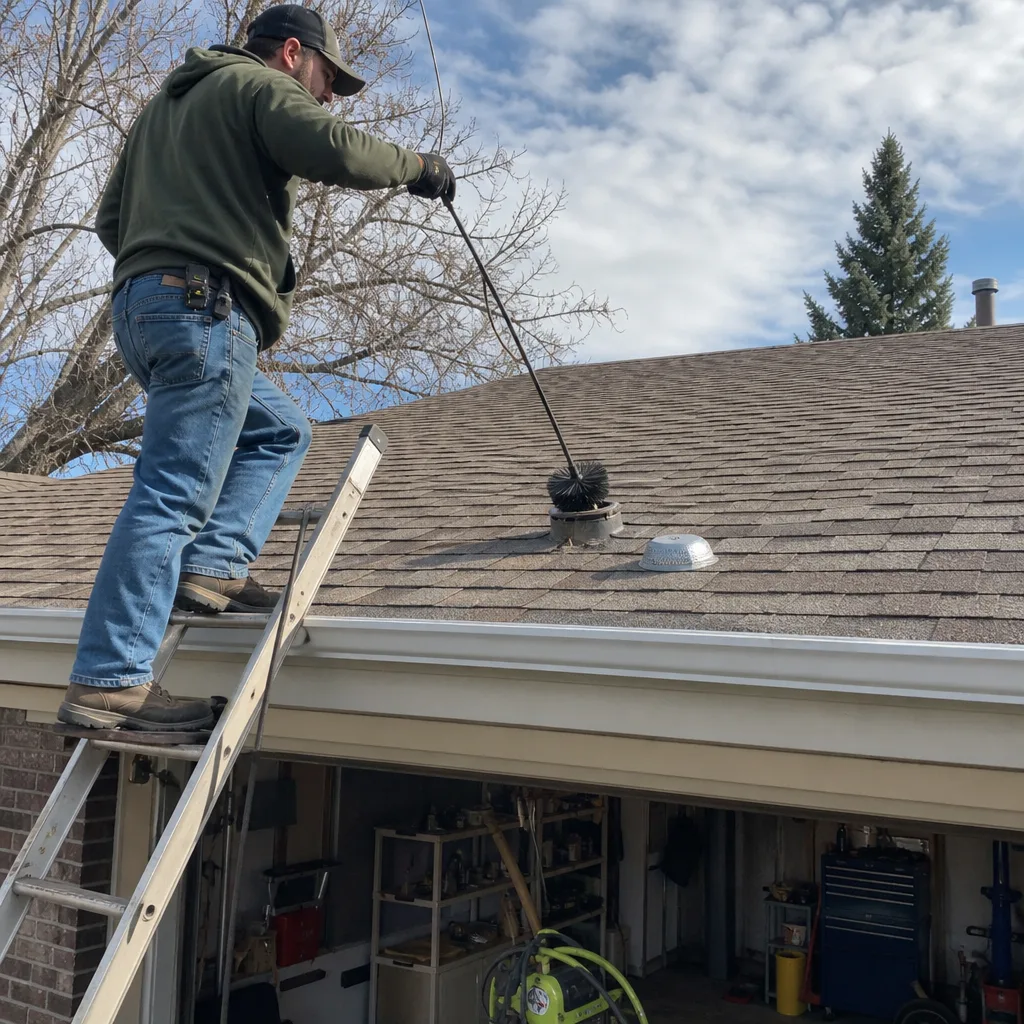
The air duct cleaning industry’s most persistent consumer complaint is bait-and-switch pricing. A $79 coupon arrives in the mail. The homeowner calls. The technician arrives, inspects (sometimes), and announces that the “basic” cleaning covers only “surface” registers, and the actual ductwork requires “deep cleaning” at $400-$800 additional. The homeowner, with a stranger in their home and time already invested, often agrees under pressure.
This pattern is so common that the National Air Duct Cleaners Association (NADCA) addresses it explicitly in consumer guidance. The defense is simple and absolute: a written, itemized price, agreed before work begins, with no post-arrival changes except homeowner-requested additions.
Haven Standard Clause 1: Written Price Before Work Starts.
Every CleanRun job begins with a scope document that lists exactly what will be done, on exactly which components, for exactly what price. The homeowner reviews and signs. If camera inspection reveals conditions that change scope (mold requiring remediation, disconnected ducts requiring repair), a new written price is generated for the additional work. The original quoted work proceeds at the original price, or not at all if the homeowner declines.
What “per vent” pricing hides.
Some competitors quote per-register or per-duct-run pricing that appears transparent but obscures total cost. A home with 12 supply registers and 4 returns at $45 each becomes $720 before the trunk line, plenum, or registers are addressed. Our whole-system pricing includes all components in one flat figure, agreed upfront. The homeowner knows the total before deciding, not after arithmetic in the hallway.
Free Second Opinion on Any Written Estimate.
Bring a competitor’s written quote. We’ll inspect your system independently, generate our own written scope and price, and explain any differences in what each proposal actually covers. No charge. No obligation. The comparison is between two documented proposals, not between a coupon and a surprise.
Littleton’s market includes national booking platforms that subcontract to independent operators with varying equipment and standards. The platform quotes a price; the subcontractor may have different equipment, different scope understanding, and no direct accountability to the platform’s customer service. A written price from the actual service provider, with their license number and guarantee terms, is the only contractually enforceable document.
Our license number is published on every proposal. Our equipment roster - Rotobrush, Nikro, Abatement Technologies, Honeywell, Aprilaire, Guardsman - is listed in the scope document so the homeowner can verify specifications independently. This is evidence-first service delivery, not trust-me marketing.
What Happens During a Documented Clean
Understanding the sequence helps homeowners evaluate whether what occurred in their home matches what was promised. This is the protocol we follow on every job in Littleton, from Old Littleton ranch homes to new construction in Sterling Ranch.
Step 1: System assessment and camera inspection (30-45 minutes).
The technician identifies all registers, locates the plenum and blower compartment, and inserts the borescope into each duct run. Images are captured at consistent depth and tagged by location. The homeowner is invited to view the camera feed. No work is proposed until inspection is complete.
Step 2: Written scope and price delivery.
Findings are compiled into a scope document with recommended cleaning level (maintenance, restoration, or remediation), component list, equipment to be used, and fixed price. The homeowner reviews, asks questions, and signs or declines. Haven Standard Clause 1 is satisfied before any panel is removed.
Step 3: System sealing and negative-pressure setup.
All registers are sealed. The vacuum is connected to the main trunk or plenum access. The system is tested for pressure integrity - leaks at access panels or duct seams are sealed to maintain negative pressure throughout cleaning.
Step 4: Agitation and extraction, run by run.
Each duct run is cleaned from the register end toward the vacuum connection. Brush or whip agitation dislodges debris; negative pressure draws it immediately into the collection chamber. The technician monitors vacuum load and adjusts brush speed for debris type (silica-heavy dust requires different settings than fibrous construction material).
Step 5: Component cleaning.
Registers, boots, and accessible trunk line sections are cleaned. If HVAC cleaning is included, the blower compartment, evaporator coil, and drain pan are addressed with appropriate tools and cleaning agents.
Step 6: Post-cleaning inspection and measurement.
The camera re-enters each run for after photos. Airflow is measured at each supply register. Collection chamber contents are documented. The photo record, airflow readings, and scope completion checklist are compiled into the job file.
Step 7: Deliverables and warranty.
The homeowner receives: the completed scope document with final price, the photo record (digital delivery), airflow before/after readings, and the 365-Day Done Right Promise in writing. Haven Standard Clause 6: Documented Completion.
Total time for an average Littleton home (2,000-3,000 square feet, 12-16 duct runs): 3.5-5 hours. A shop-vac visit that skips inspection, sealing, measurement, and documentation may take 90 minutes. The time differential is not inefficiency; it is the difference between documented work and undocumented presence.
Common Mistakes to Avoid
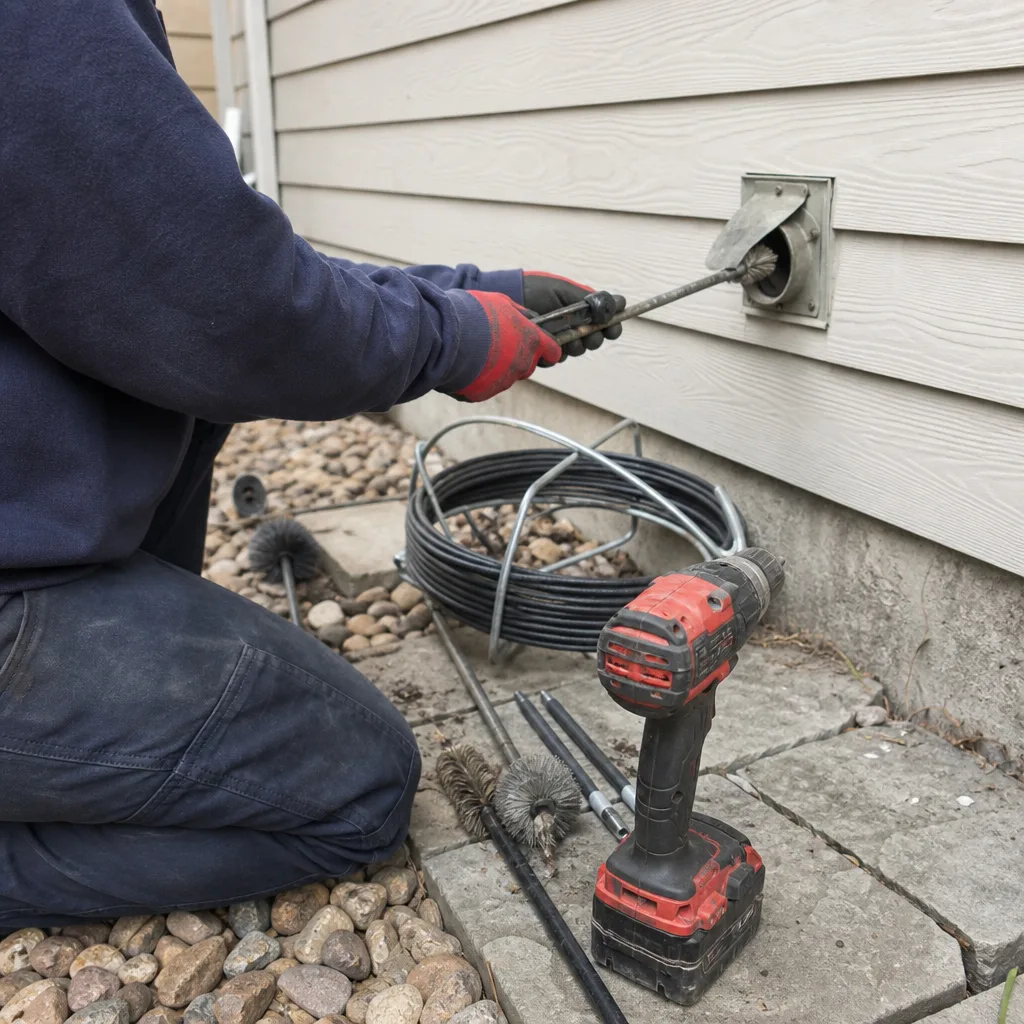
- Booking on price alone without asking about equipment. “Air duct cleaning” is not a standardized service. Ask specifically: “Do you use negative-pressure extraction, and what is the system CFM?” Shop-vac operators often deflect or don’t know. A legitimate provider names the equipment and specifications without hesitation.
- Accepting “representative” photos instead of every run. Two photos of the cleanest ducts prove nothing. Insist on location-tagged images of every supply and return run, with timestamps.
- Ignoring Littleton’s post-construction debris risk. Homes built 2015-2025 in Commonwealth, Sterling Ranch, and similar developments often have significant construction residue. National “every 3-5 years” advice assumes normal household accumulation, not drywall compound and sawdust from incomplete builder cleans.
- Confusing register cleaning with duct cleaning. Removing and washing register covers is not duct cleaning. It’s a $15 task that some companies perform, photograph, and present as evidence of “after” condition. The duct interior 3 feet beyond the boot is what matters.
- Allowing biocide or sealant application without cause. The EPA and NADCA caution against routine application of chemical treatments in ducts. Some companies upsell “sanitizing” or “sealing” as standard add-ons. These should be justified by specific documented conditions (mold, vermin), not sold as routine.
- Not verifying the actual company performing the work. National booking platforms subcontract to independent operators whose equipment, training, and accountability vary. The platform’s brand is not the entity in your home. Ask for the service provider’s Colorado license number and verify it with the Department of Regulatory Agencies before booking.
When to Call a Professional
Call for documented inspection when you observe: visible dust release from supply registers when the system cycles; persistent dust accumulation on surfaces despite regular cleaning; uneven heating or cooling with no ductwork damage visible; musty or chemical odors from registers; known rodent activity in or near the home; or post-construction occupancy in a home built 2015 or later. These conditions warrant camera inspection and airflow measurement, not assumption.
CleanRun Air Duct Cleaning Littleton offers free estimates in Littleton - call (720) 315-7291. Every estimate includes camera inspection of representative duct runs, written scope and price under Haven Standard Clause 1, and no obligation to proceed. We also provide Free Second Opinion on any competitor’s written estimate, documented and delivered at no charge.
Frequently Asked Questions
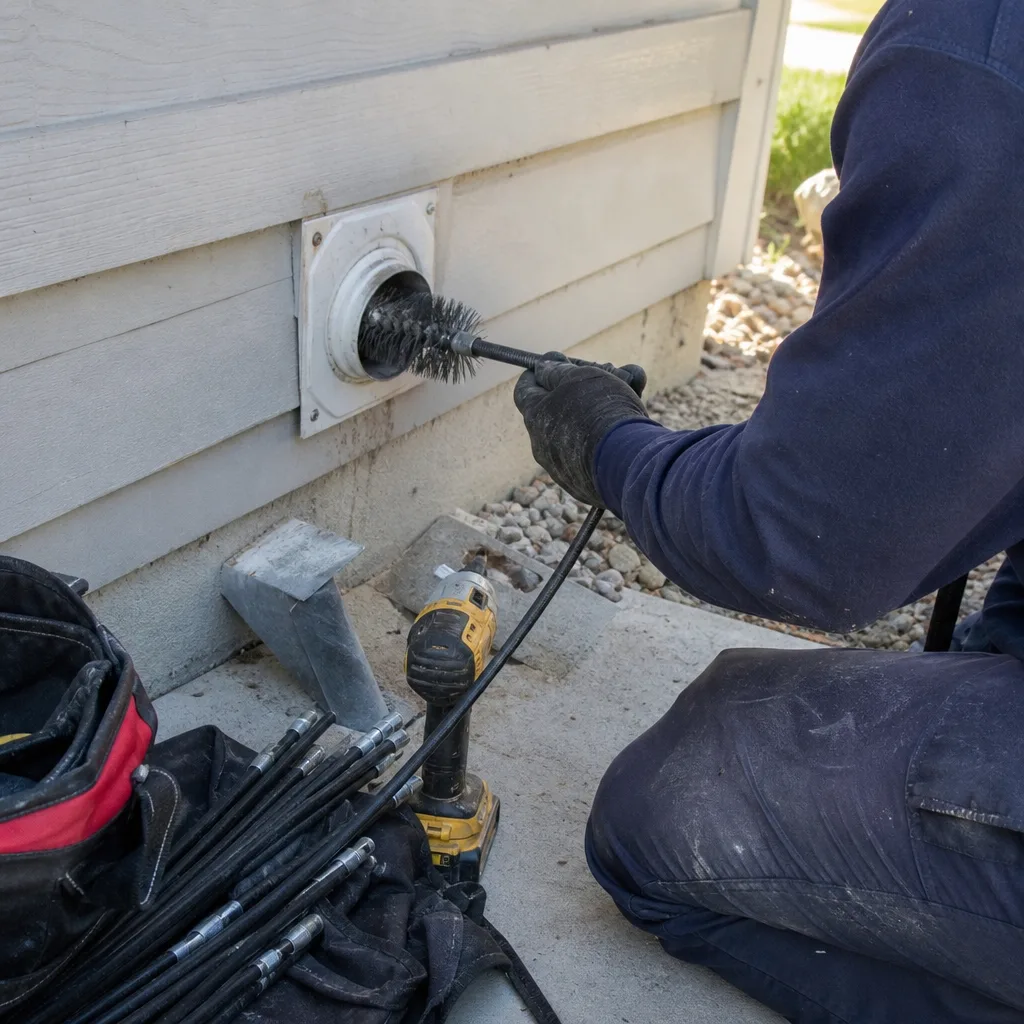
Whole-system air duct cleaning in Littleton typically ranges from $400 for smaller homes with 8-10 duct runs to $900 for larger homes with 16+ runs, plenum cleaning, and register restoration. Homes with post-construction debris, wildfire particulate, or rodent evidence may fall at the higher end due to extended agitation time. We deliver a written, flat-system price before any work begins - call (720) 315-7291 for an exact quote; estimates are free.
Low quotes typically reflect partial-scope work (register surface cleaning only), shop-vac equipment without negative-pressure sealing, or bait-and-switch pricing that increases after arrival. A $79-$149 coupon rarely covers the full system, plenum, or documented photo record. Ask for the complete written scope: number of duct runs, components included, equipment specifications, and deliverables. The cheapest quote is often the most expensive if the work doesn’t actually clean the ducts.
Require location-tagged before and after photos of every duct run, timestamped airflow measurements at each register, and a written completion checklist signed by the technician. The photo record should show consistent camera depth and measurable scale references. Collection chamber contents should be visible and substantial for a legitimately dirty system. Without these, you have only the technician’s word, which is not documentation.
The EPA does not recommend routine scheduling. In Littleton’s high-desert climate, interval varies by home: post-construction debris may need addressing at move-in; homes with multiple pets or wildfire smoke exposure may need inspection every 3-4 years; homes with no special conditions may go 5-7 years between documented inspections. Base timing on camera inspection findings and airflow measurement, not calendar advice written for humid climates.
Air duct cleaning addresses the distribution network: supply and return ducts, registers, boots, and plenum. HVAC Cleaning in Littleton adds the mechanical components: blower motor and wheel, evaporator coil, drain pan, and sometimes heat exchanger inspection. HVAC cleaning is recommended when the system itself shows debris accumulation or when duct cleaning alone won’t resolve airflow or air quality issues. The two services are often combined but are distinct scopes with separate pricing.
Yes. Lower air density at 5,400 feet reduces the effective suction of vacuum systems not rated for altitude compensation. More significantly, Littleton’s dry climate creates static-bound, silica-heavy debris that requires adjusted brush speed and sustained negative pressure to remove. Equipment and protocols developed for sea-level humid conditions may underperform here. We calibrate our Nikro and Abatement Technologies systems specifically for Front Range conditions.
Dryer vent cleaning is a separate service with different equipment and fire-safety implications, though some companies bundle them. Dryer Vent Cleaning in Littleton addresses lint accumulation in the exhaust duct from clothes dryer to exterior termination, which is a leading cause of residential fires. The vent is not connected to the HVAC duct system. If both services are needed, they should be quoted and documented separately.
The Bottom Line
Air duct cleaning in Littleton is worth doing when documentation proves it’s needed, not when a coupon suggests it’s time. The EPA’s guidance is clear: routine cleaning without cause is unnecessary, but specific documented conditions warrant professional service. Littleton’s high-desert altitude, construction boom debris, and post-2020 wildfire exposure create local conditions that national advice doesn’t address. The only protection against bait-and-switch pricing is a written price before work starts. The only proof that cleaning occurred is a photo record of every duct run, with airflow measurement showing functional improvement. Everything else is marketing. We’ve served 52,000+ homes since 2013 under this standard, every one with a written price first and documented results at completion.
Written by Tomas Reyes, Owner at CleanRun Air Duct Cleaning Littleton, serving Littleton since 2013.