
Last updated September 23, 2026
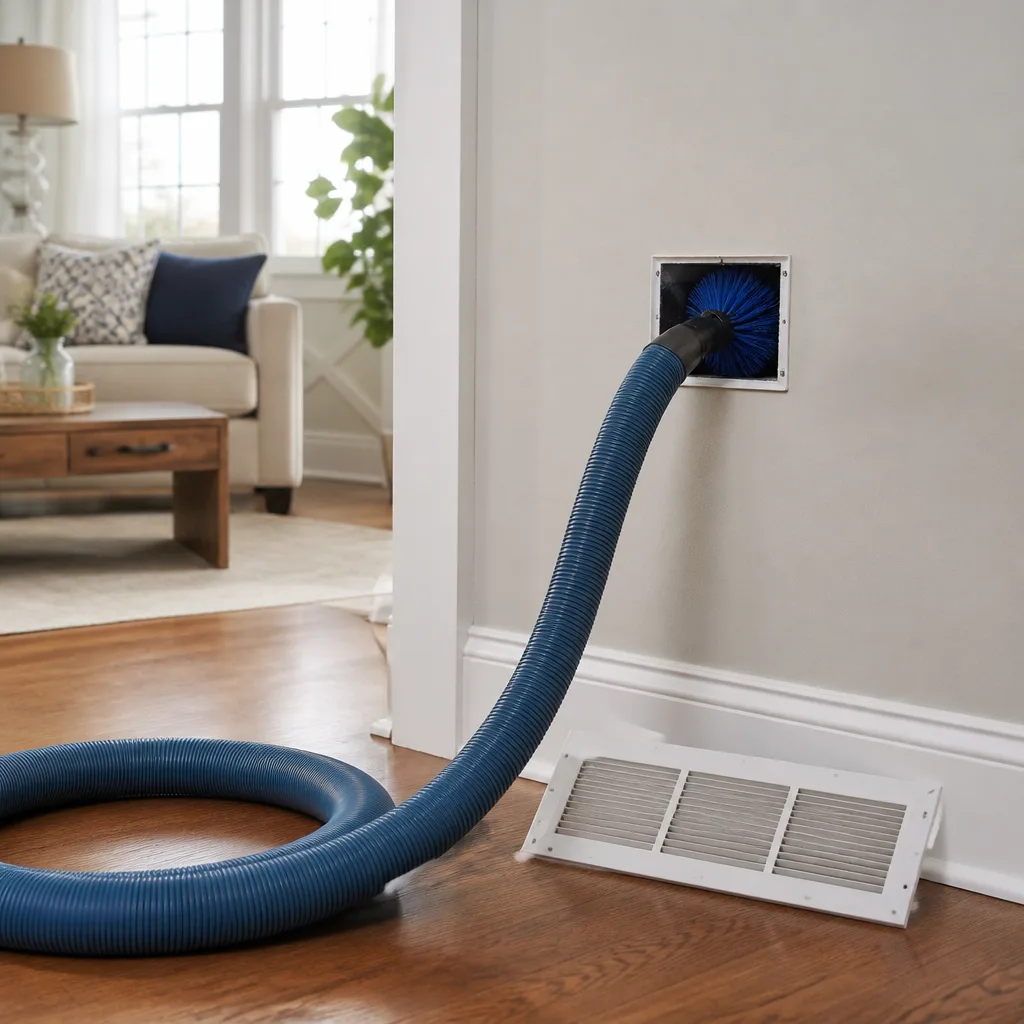
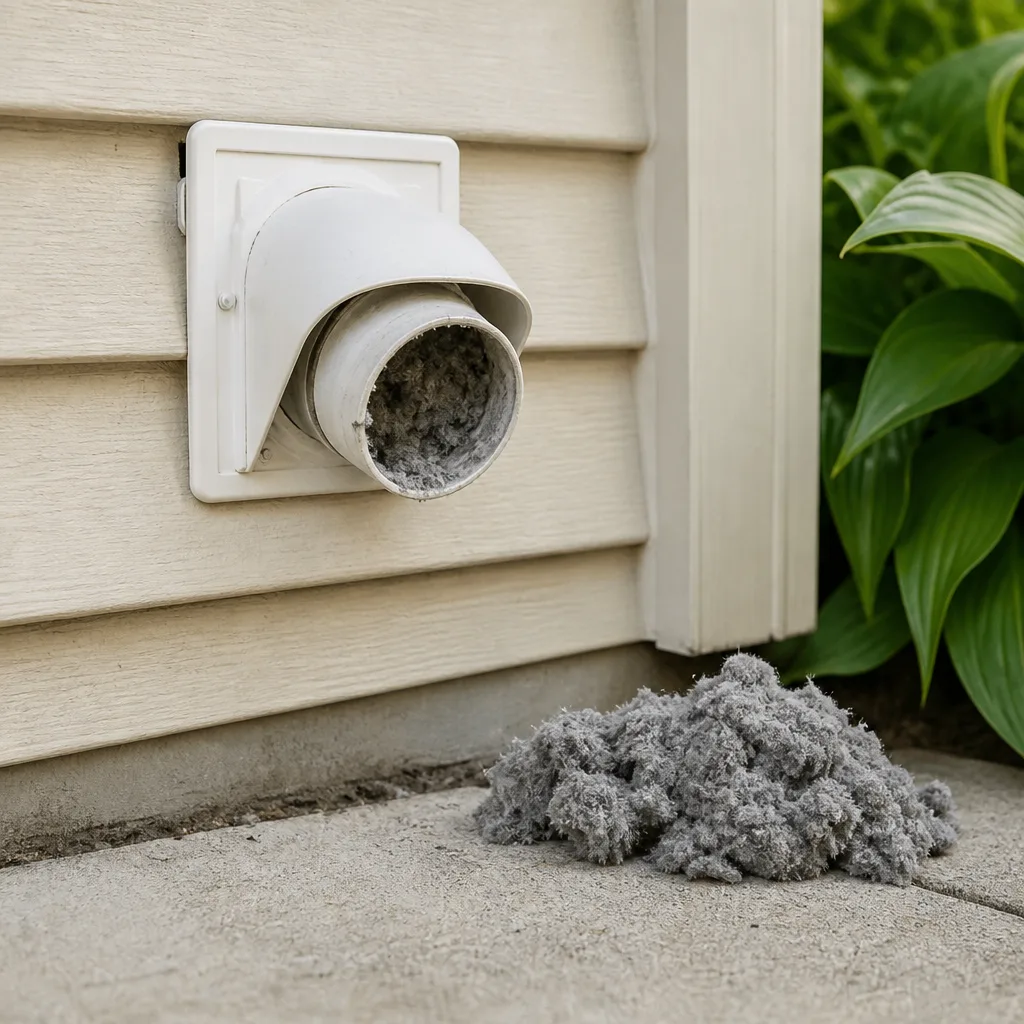
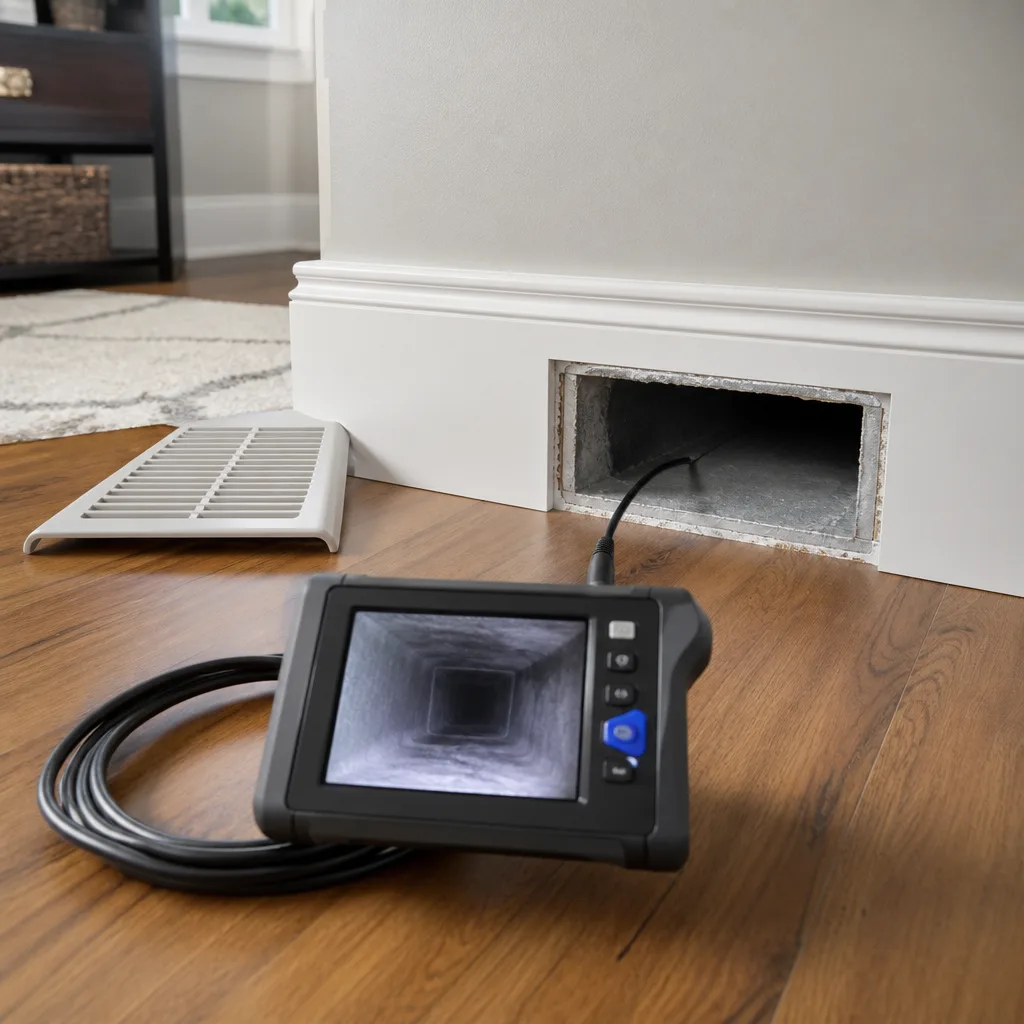
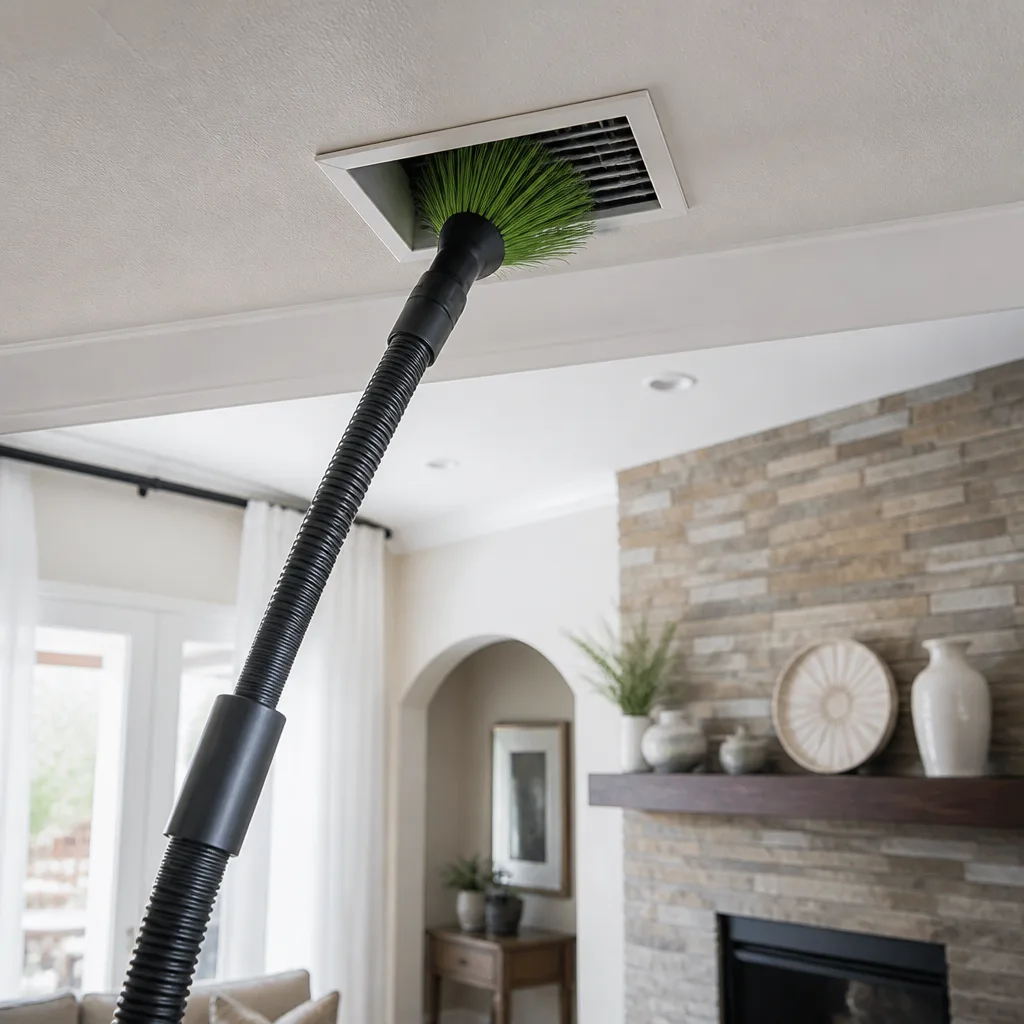
Whole-system duct and dryer vent check with before-and-after photos - you see exactly what came out of your vents
That "$99 whole-house special" is a bait ad - the real number appears once they are in your hallway, or the "clean" is a shop-vac at the register. We photograph the inside of your ducts before and after instead.
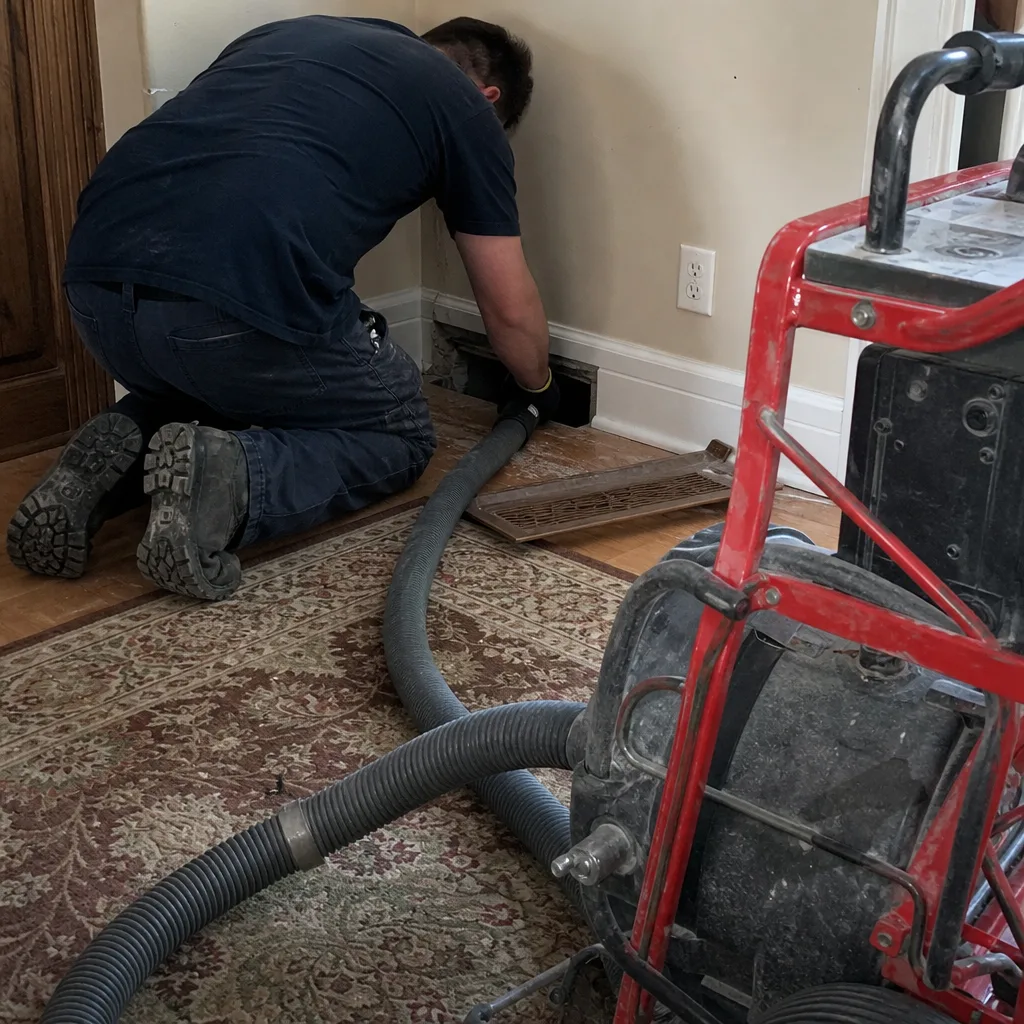 Before
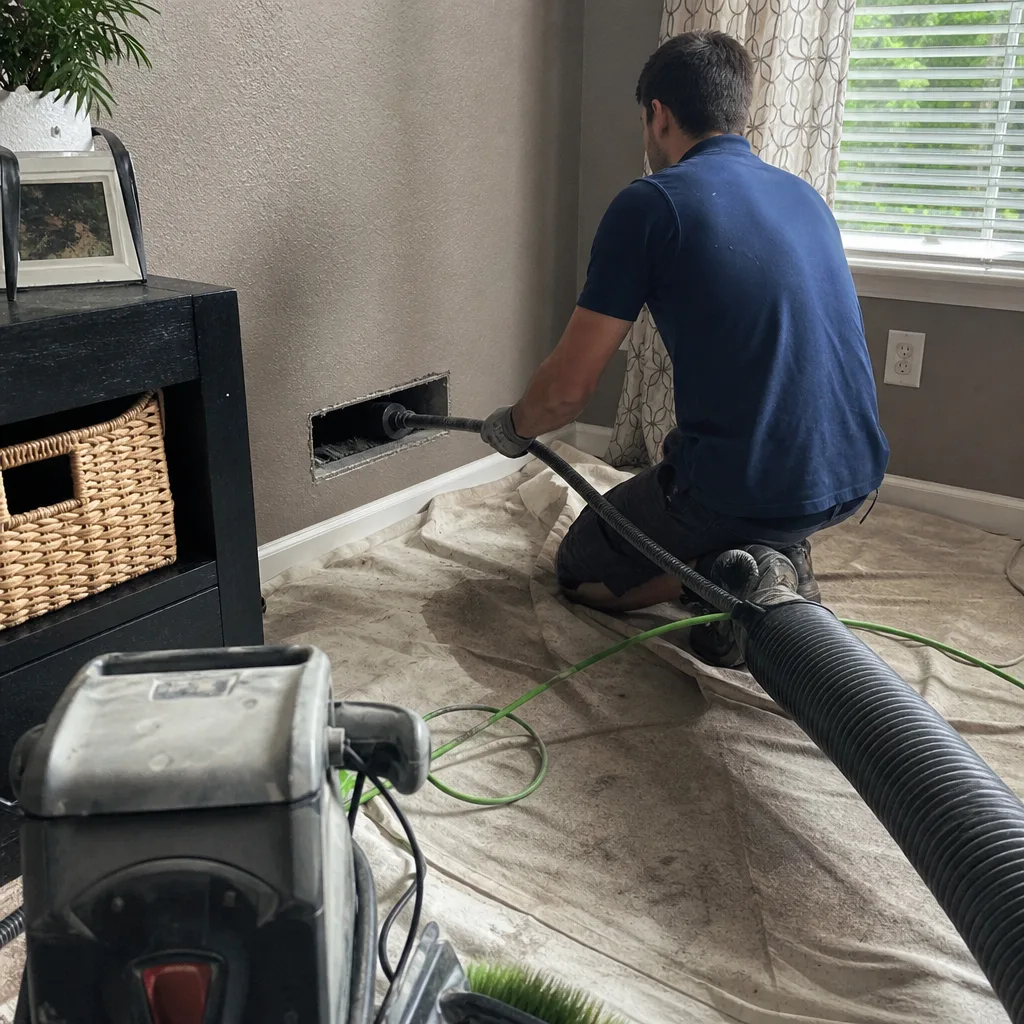 After
After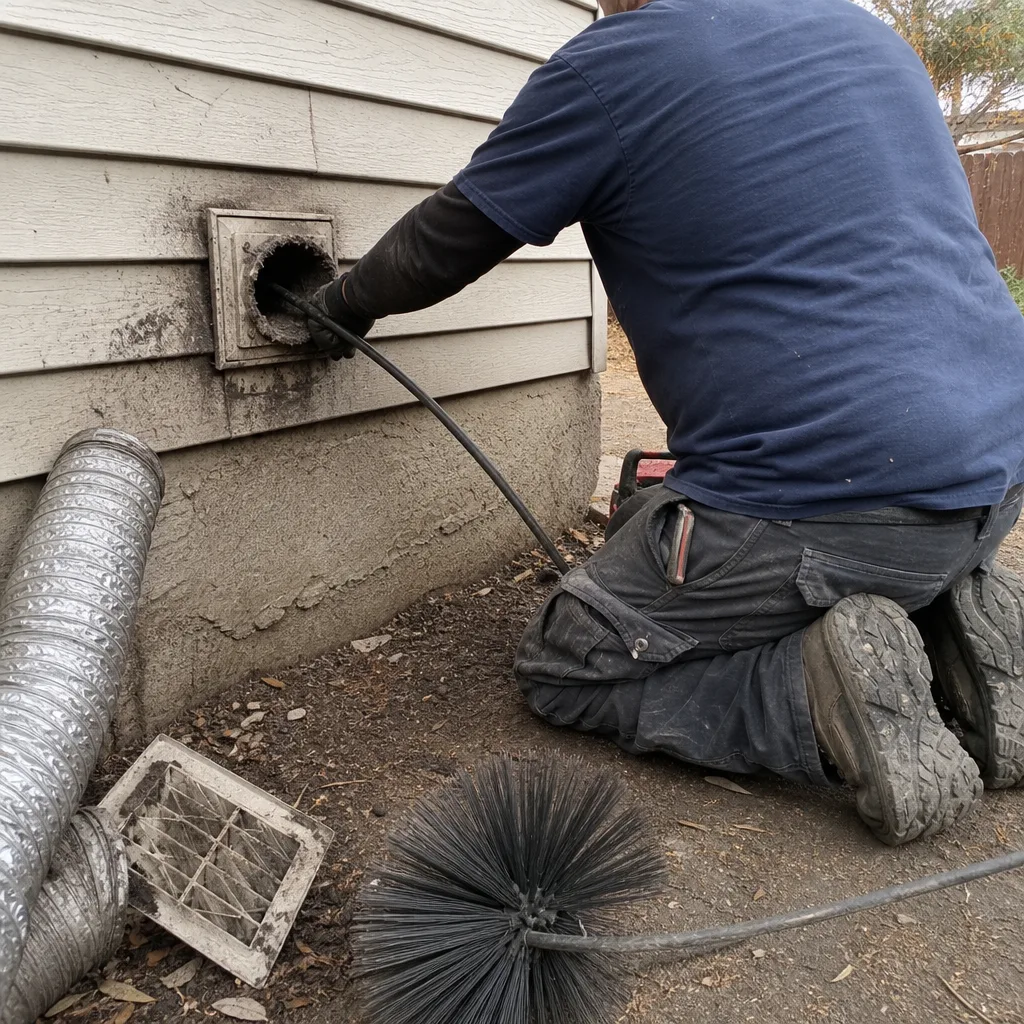 Before
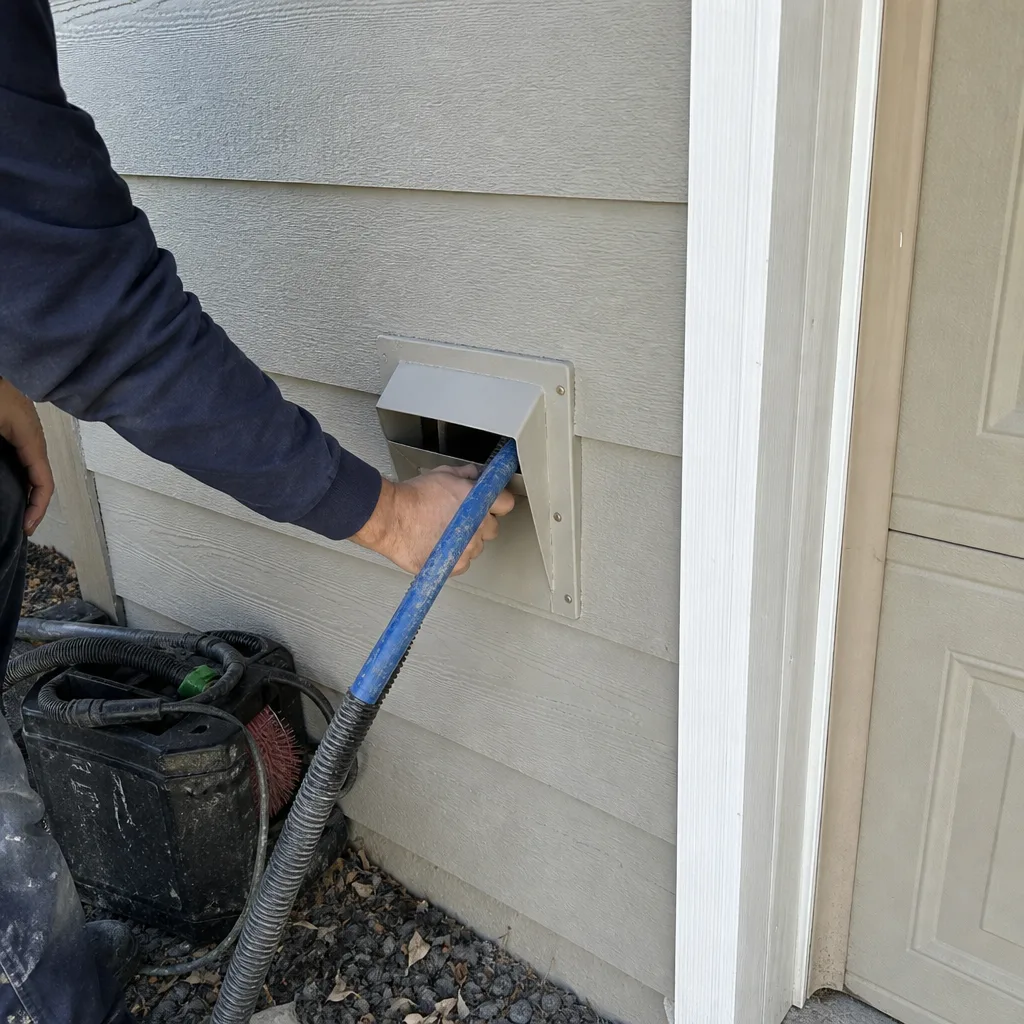 After
After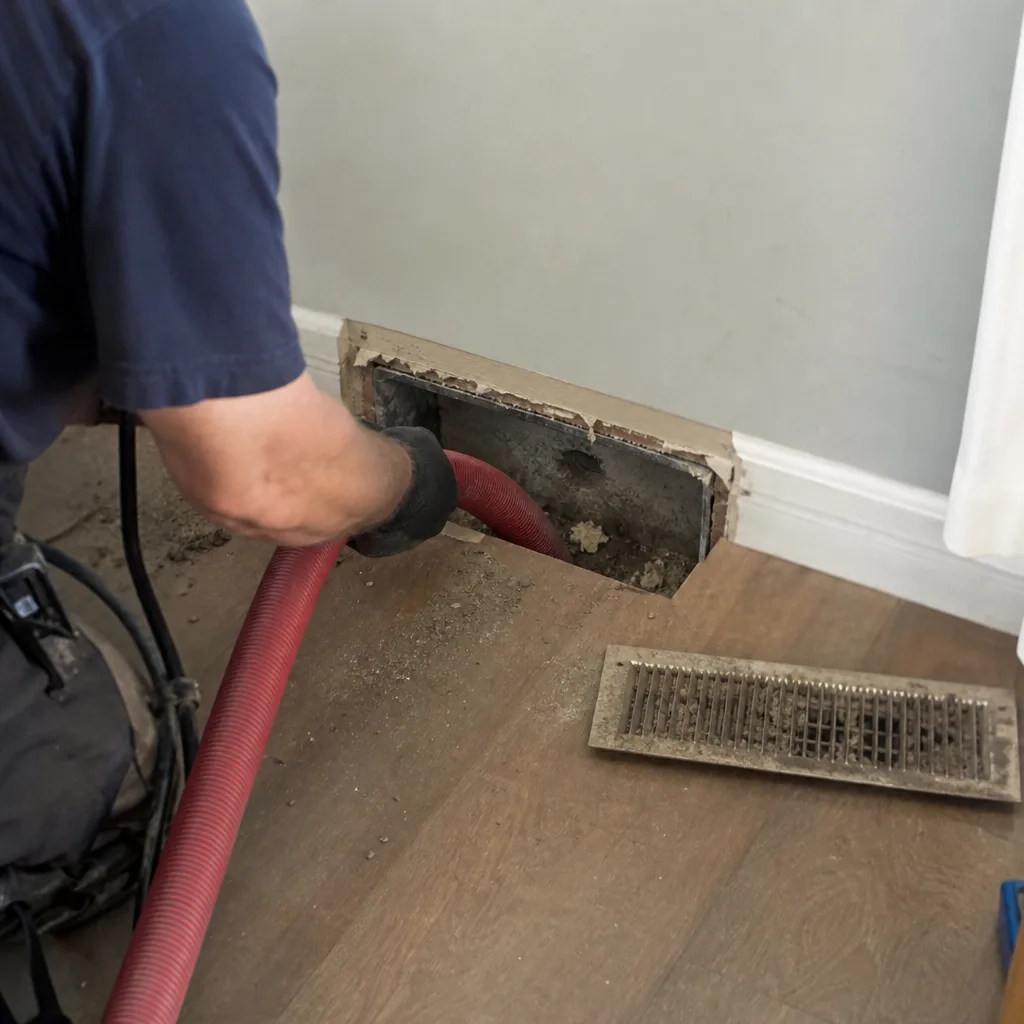 Before
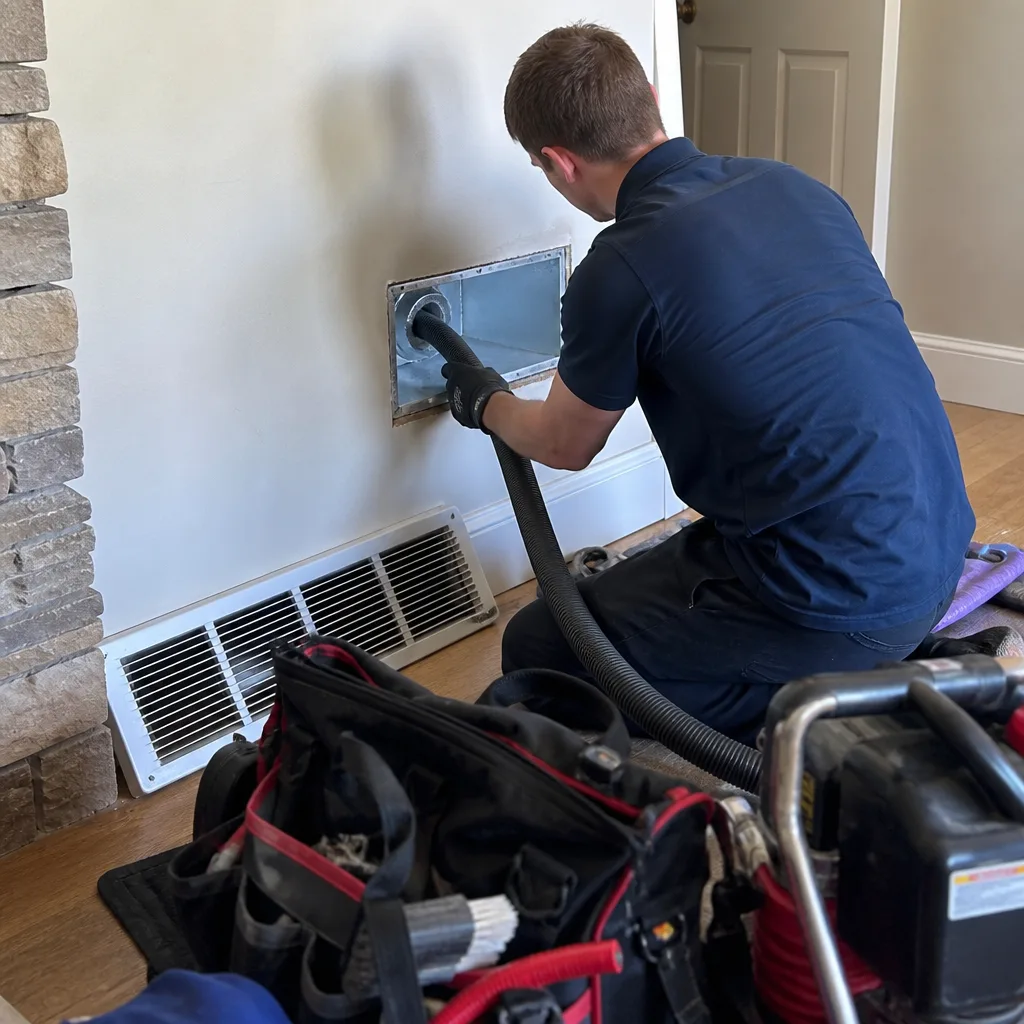 After
AfterAir Duct Cleaning Warning Signs: A Littleton Homeowner’s Reference Guide
Here’s something most duct cleaning companies in Littleton won’t tell you: that musty smell when you first fire up the heat each fall? It’s almost never dirty ductwork. In our experience across more than 52,000 homes, the symptom points to debris on the heat exchanger surface or a condensate drain pan that sat wet all summer. Cleaning the ducts won’t fix it. Our Complete Guide to Air Duct Cleaning in Littleton exists because warning sign lists have become generic marketing copy - “dust around vents,” “musty smell,” “allergy symptoms” - without explaining what each symptom actually proves, what it doesn’t prove, and what a technician should find on camera before you agree to any scope of work. You’ll learn how to read your own system, document evidence with your phone, and distinguish between problems that warrant cleaning, problems that need repair, and problems that need a completely different trade entirely.
Quick Answer
The warning signs that actually indicate air duct cleaning is warranted in Littleton include: visible debris accumulation inside duct runs confirmed by camera inspection; photographic evidence of rodent activity (droppings, nesting material) in accessible duct sections; supply registers with uniform, persistent dust loading that returns within 30 days of cleaning; and filters loading faster than 60-day intervals without a corresponding increase in system runtime. Musty smells, uneven room temperatures, and high humidity are not reliable indicators of dirty ductwork and often point to other HVAC or building envelope issues.
Table of Contents
- Dust at Registers: What It Confirms and What It Doesn’t
- Musty Smells and the Fall Heat Cycle Problem
- Uneven Room Temperatures: Duct Issue or Design Issue?
- High Filter Loading Rate: The 60-Day Benchmark
- Visible Mold at Register Face vs. Biological Contamination Inside Ducts
- Construction Dust Contamination vs. Biological Contamination
- Rodent Evidence: The One Sign That Skips the Debate
- What to Document With Your Phone Before Calling Anyone
BeforeAfterDust at Registers: What It Confirms and What It Doesn’t
Dust collecting on the fins or face of a supply register is the most common reason homeowners in Littleton call us. It’s also the most misunderstood.
What it confirms: Air is moving through that register, and particulate matter in your home is settling where velocity drops. The register face is a low-pressure zone - air slows as it exits the grille, and anything light enough to remain airborne will deposit there. This is normal physics, not evidence of contaminated ductwork behind the wall.
What it doesn’t confirm: That the interior duct run is dirty. We’ve photographed clean metal ductwork behind registers caked with household dust. The dust source is almost always the living space itself - carpet fiber, skin cells, pet dander, and outdoor particulate that enters through windows, doors, and the building envelope. Littleton’s position at the foot of the Rockies means frequent wind events that drive fine particulate through even well-sealed homes. The dust you see may have never been inside the duct.
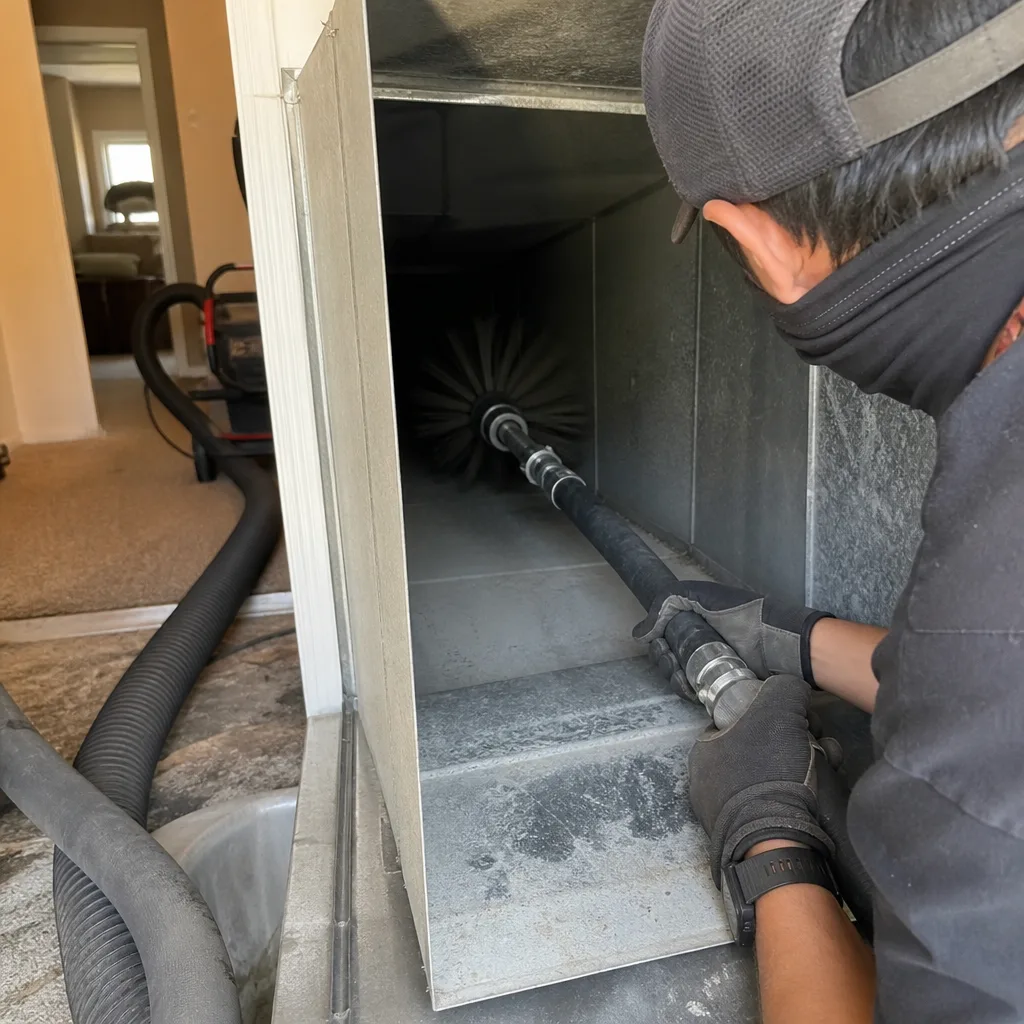
What camera inspection should show to justify cleaning: A debris layer on the interior duct surface, typically 1/8 inch or more, that is uniform along the run and not merely a thin film. The debris should be adherent - brushed or vacuumed, not simply blown. If the camera shows bare metal with minor surface dust, cleaning that run is preventive at best, not corrective.
Here’s the distinction that matters: dust at the register face that returns within 2-3 weeks of wiping suggests the supply run is shedding material. Dust that accumulates over months suggests normal household loading. Before calling any contractor, note the timeline. We ask every Littleton homeowner this question first, and the answer determines whether we bring a camera or a cloth.
The Air Duct Cleaning in Littleton page details our inspection protocol and what our photo documentation includes.
Musty Smells and the Fall Heat Cycle Problem
Every October, we field calls from Littleton homeowners who describe a musty, “locker room” odor when the furnace first cycles. The pattern is so consistent we can predict call volume by the first overnight frost. And nearly every time, the caller has already been told they need duct cleaning.
What the smell actually is: Dust and debris that settled on the heat exchanger and in the blower compartment during the cooling season. When the furnace fires, this material burns off or circulates, producing the odor. The condensate drain pan, which sits wet from May through September in Littleton’s semi-arid but thunderstorm-prone summers, may also harbor microbial growth that becomes airborne when airflow reverses from cooling to heating mode.
What it is not: Contamination throughout the duct system. If the smell originates at the first heat cycle and diminishes over 24-72 hours, the source is localized to the air handler cabinet, not the distribution network. Cleaning 40 feet of supply duct in a Ken Caryl ranch won’t reach the heat exchanger surface where the problem lives.
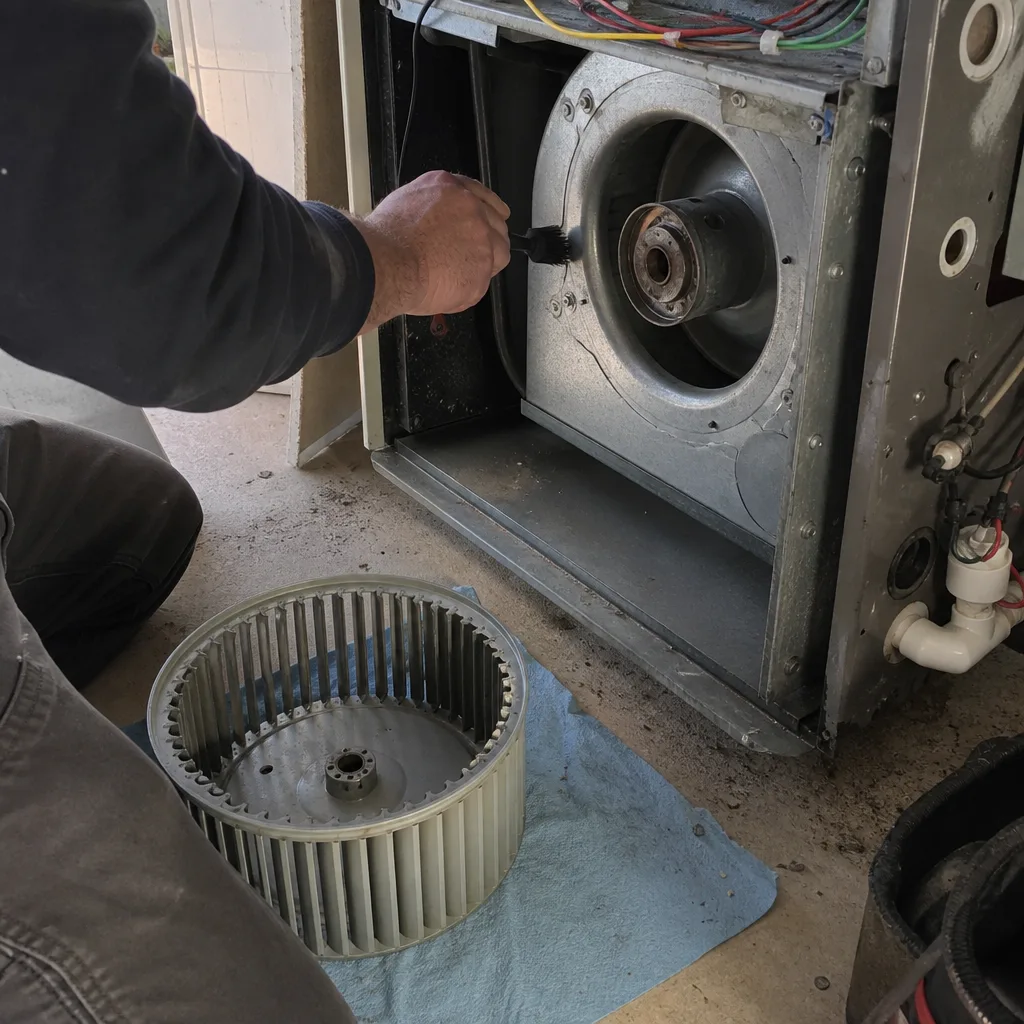
The correct response: An HVAC technician should inspect the heat exchanger, clean the blower wheel and housing, and verify condensate drainage. This is maintenance, not duct cleaning. At CleanRun, we’ll tell you this on the phone and save you the service call if the symptom description fits the pattern. Haven Standard Clause 1 - written price before any work starts - applies to honest scoping, including scope reductions.
One exception: if the musty smell persists year-round, worsens with system runtime, and localizes to specific rooms, that pattern warrants camera inspection of the associated duct runs. Persistent biological odor without seasonal correlation can indicate moisture intrusion into ductwork, often from a disconnected flex duct in a crawl space or attic where Littleton’s freeze-thaw cycles have compromised a seal.
Uneven Room Temperatures: Duct Issue or Design Issue?
A bedroom that runs five degrees warmer than the living room is uncomfortable. It’s also one of the most oversold symptoms in our industry.
What temperature imbalance does not indicate: Dirty ductwork. Debris accumulation severe enough to restrict airflow to a single room would produce other, more obvious symptoms - extreme filter loading, blower motor strain, or visible blockage at the register. Partial restriction from debris is real but rare; complete or near-complete restriction from dirt alone is exceptionally rare in residential systems.
What it more likely indicates:
- Duct leakage. A disconnected or poorly sealed duct run in an unconditioned attic dumps heated or cooled air before it reaches the register. This is a Manual D design and installation issue, verified by blower door testing or duct blaster measurement, not by visual inspection alone. Littleton’s 2018 adoption of the IECC 2015 energy code tightened duct sealing requirements, but homes built in the 1990s and 2000s - common in Columbine and Willow Creek - often have leakage rates of 20-30%.
- Undersized duct runs. A 6-inch flex duct serving a south-facing second-floor bedroom with large windows was probably never adequate. No amount of cleaning changes the duct diameter.
- System imbalance. Dampers closed or never properly adjusted during original commissioning. This is a 15-minute correction, not a cleaning.
- Building envelope issues. Inadequate attic insulation, single-pane windows, or thermal bypass in wall assemblies. Littleton’s 5,300-foot elevation means greater diurnal temperature swings than Denver proper; envelope deficiencies show up faster here.
What camera inspection should show to justify cleaning: Significant debris accumulation - not merely surface film - that measurably reduces the free area of the duct. We measure this with a simple comparison: register face velocity before and after cleaning, using a calibrated anemometer. If cleaning doesn’t change the number, the duct wasn’t the problem.
Before spending money on duct cleaning for temperature complaints, read our DIY vs Professional Air Duct Cleaning guide and ask any contractor: “Will you measure airflow at the register before and after, and put the numbers in writing?” If the answer involves hand-waving about “improved efficiency,” you’re being sold a procedure, not a solution.
High Filter Loading Rate: The 60-Day Benchmark
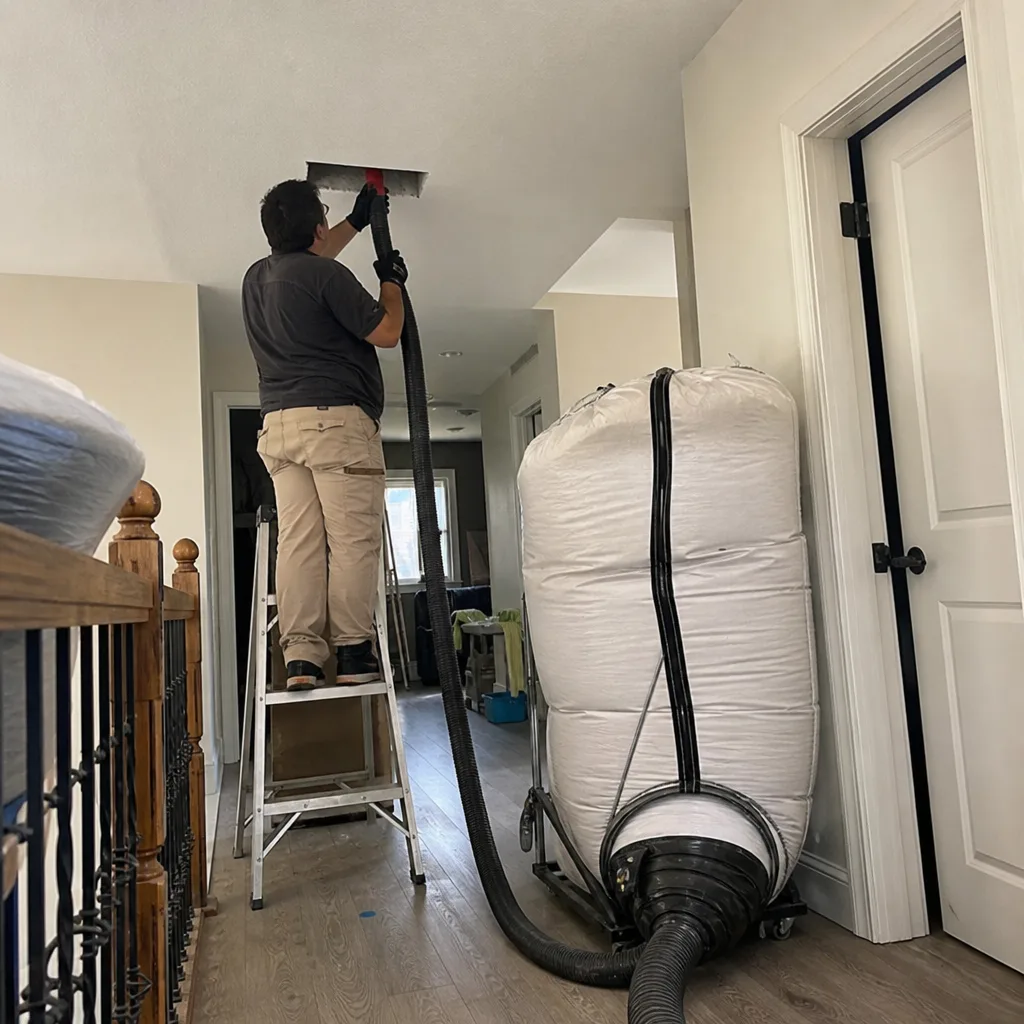
Your HVAC filter is the closest thing to a diagnostic tool most homeowners have. The rate at which it loads with particulate tells a story - if you know how to read it.
Normal loading for Littleton: A standard 1-inch pleated filter (MERV 8-11) in a typical 2,000-square-foot home should show light gray loading at 90 days, moderate loading at 120 days, and require replacement at that point or shortly after. Littleton’s lower humidity than eastern Colorado plains means less airborne moisture to bind dust, so filters often last slightly longer than in Pueblo or Colorado Springs.
Loading faster than 60 days suggests:
- Increased particulate generation inside the home: recent renovation, new pet, change in occupancy
- Return air leakage pulling from unconditioned space: attic, garage, crawl space
- Filter bypass due to poor fit or incorrect size, allowing unfiltered air to circulate
- Ductwork with significant debris shedding back into the airstream
What to document: Photograph your filter on the day of installation and on the day of replacement, with the date visible. Note the MERV rating and dimensions. If you’re changing filters every 30-45 days, and the loading is uniform (gray across the entire face, not just edges), this pattern warrants camera inspection of the return plenum and trunk line. Edge-loading, by contrast, indicates bypass - the filter isn’t sealing in its rack.
What cleaning should achieve: A measurable extension of filter life. We tell Littleton homeowners to expect 90-day intervals post-cleaning if debris shedding was the cause. If filter loading doesn’t change, the source is upstream of the ductwork - envelope leakage, return air path issues, or indoor generation.
The HVAC Cleaning in Littleton page explains our full-system approach, including coil and blower compartment cleaning that addresses sources filter changes cannot reach.
Visible Mold at Register Face vs. Biological Contamination Inside Ducts
Finding something dark and fuzzy on a register grille triggers immediate alarm. The word “mold” appears in every second call we receive. But location matters enormously.
Mold on the register face or nearby ceiling: This is almost always a room-side issue. The register face is cold when AC runs; humid indoor air (from cooking, showers, or inadequate ventilation) condenses on it, creating a microclimate for surface growth. The duct behind it may be entirely clean. We’ve photographed pristine metal behind mold-stained registers in Littleton bathrooms and kitchens where exhaust fans were undersized or unused.
What to check before calling: Does the growth wipe off with diluted bleach? Does it recur in the same spot within weeks? Is it limited to rooms with water use (bathrooms, kitchen, laundry)? Affirmative answers point to room humidity control, not duct cleaning.
Biological contamination inside the duct: This appears as patchy, irregular growth on the interior metal surface, typically near points of moisture introduction. Common locations include:
- The supply plenum above the evaporator coil, where condensation occurs during cooling mode
- Low points in horizontal duct runs where condensate pools from air handler overflow or external leaks
- Flex duct with damaged vapor barrier, allowing attic humidity to reach the cool interior surface
What camera inspection should show: Growth that is adherent to the duct interior, not merely surface-staining. Color is not diagnostic - mold identification requires laboratory analysis. But pattern is: biological contamination inside ducts is patchy, follows moisture patterns, and often has a distinct musty odor when the system cycles. Surface mold on a register face is uniform, follows the grille pattern, and has no odor correlation with system runtime.
At CleanRun, we photograph every finding and deliver the images as part of our standard Documented Photo Record. If we find biological growth inside a duct run, we explain the moisture source that must be corrected before cleaning is worthwhile. Cleaning mold from a duct that remains wet is temporary at best.
Construction Dust Contamination vs. Biological Contamination
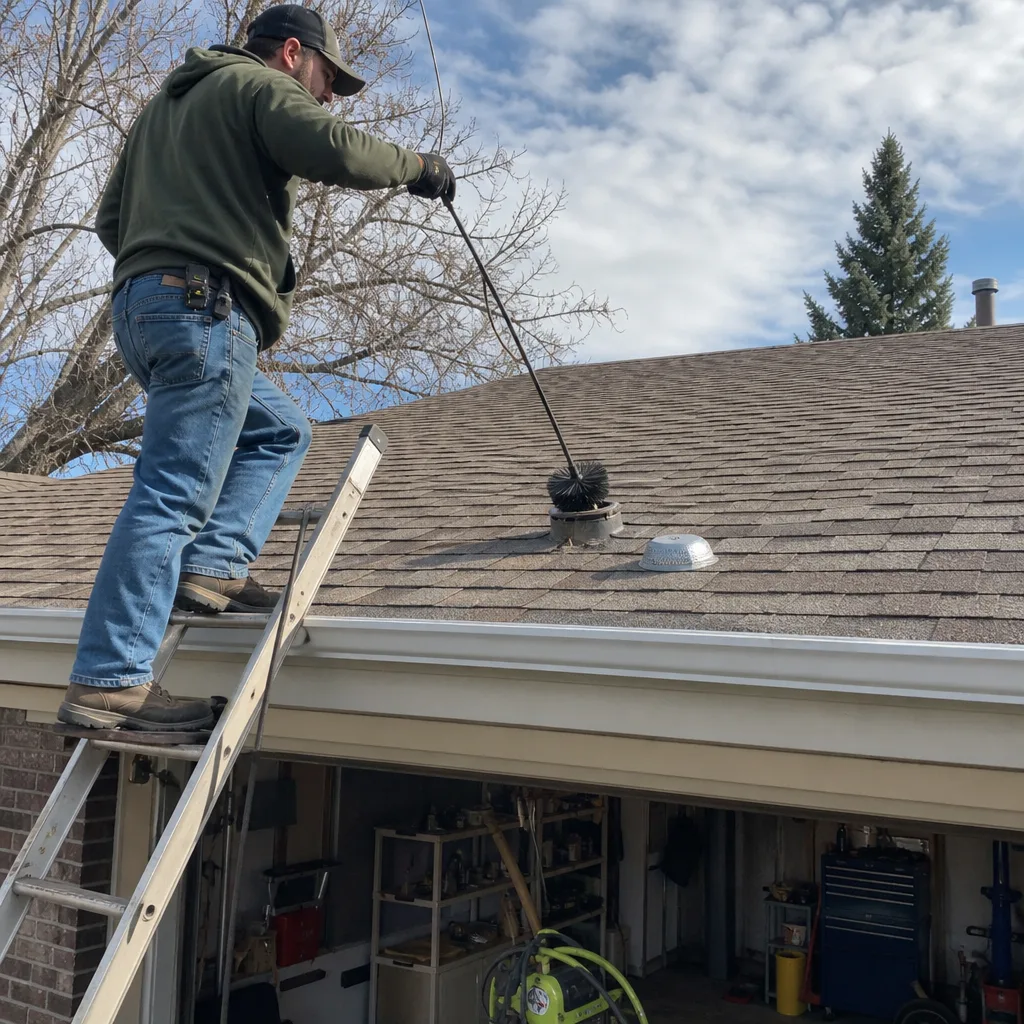
Littleton’s growth since 2015 has produced thousands of homes with a specific contamination profile that differs fundamentally from biological growth. Understanding which you’re dealing with determines the appropriate response - and the price you should expect.
Construction-dust contamination is what we find in homes built or extensively renovated during the 2015-2025 period, particularly in new developments like Sterling Ranch and Crystal Valley. The signature is:
- Uniform distribution across all supply runs, with similar loading in every room
- Fine, dry, light-colored particulate - drywall dust, sawdust, concrete fines
- No odor correlation with system operation
- Filters loading rapidly with light, fluffy material
This contamination results from construction-phase HVAC operation without proper protection. Ducts served as the building’s vacuum cleaner while drywall was sanded and floors were finished. The material is inert, not hazardous, but abrasive to blower wheels and restrictive over time.
Biological contamination has the opposite signature:
- Localized, patchy distribution - heavy in some runs, absent in others
- Darker coloration, often with visible moisture staining
- Odor that intensifies with system runtime
- Correlation with moisture events: roof leaks, foundation seepage, condensate drainage failures
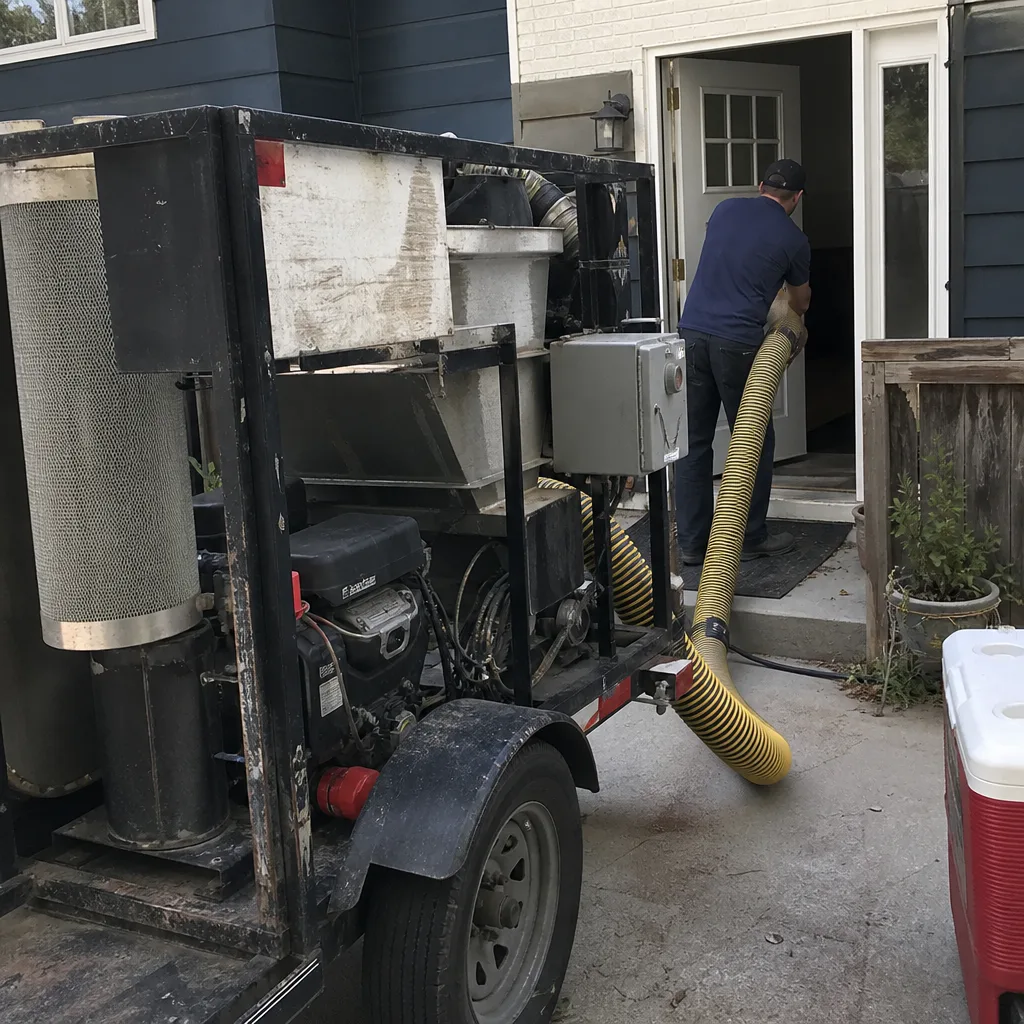
Why the distinction matters: Construction dust responds to mechanical agitation and negative-pressure extraction - the standard cleaning protocol using Rotobrush or Nikro equipment. Biological contamination may require antimicrobial treatment (we use EPA-registered products from Abatement Technologies and Guardsman, named so customers can verify independently), moisture source correction, and sometimes duct replacement if the material has compromised flex duct integrity.
The price difference is substantial. A uniform construction-dust cleaning in a 2,500-square-foot Littleton home typically runs $450-$650 under our written pricing. A biological contamination case with moisture damage, antimicrobial treatment, and partial replacement can exceed $1,800. Any contractor who quotes one price without inspecting is guessing, and guessing serves their interest, not yours.
Our CleanRun Air Duct Cleaning Littleton home page lists current pricing ranges and what each includes.
Rodent Evidence: The One Sign That Skips the Debate
There is one warning sign where our advice changes completely. If you find any of the following inside an accessible duct section, do not wait for camera confirmation. Schedule cleaning and inspection immediately:
- Rodent droppings, even a few, on the register face or visible just inside the duct boot
- Nesting material - shredded paper, insulation, fabric - at or near a register
- Urine staining with associated ammonia odor
- Chewed duct material, particularly flex duct with exposed interior liner
Why this sign is different: Rodent activity in ductwork is not a cleanliness issue. It’s a health hazard. Hantavirus, leptospirosis, and salmonellosis are documented risks in Colorado’s deer mouse and field mouse populations, both common in Littleton’s interface zones where development meets open space - think Roxborough Park edges, Deer Creek Canyon proximity, and the greenbelts threading through Columbine Valley.
What the procedure involves: Complete removal of contaminated material, which often means duct replacement rather than cleaning if the rodent has accessed the interior liner of flex duct. (The liner is porous; no cleaning protocol reliably sterilizes it.) Disinfection of accessible metal ductwork. Sealing of entry points - often gaps where utility lines penetrate the foundation or where roof soffits meet exterior walls. And documentation: we photograph the evidence, the removal, and the sealed system for your records and, if needed, insurance claims.
Haven Standard Clause 4 - Documented Outcomes - requires we deliver these photos as part of every job record. The 365-Day Done Right Promise applies: if rodents reaccess the system through the same entry point, we return to correct the seal at no charge.
The Dryer Vent Cleaning in Littleton page addresses another common rodent access point many homeowners overlook.
What to Document With Your Phone Before Calling Anyone
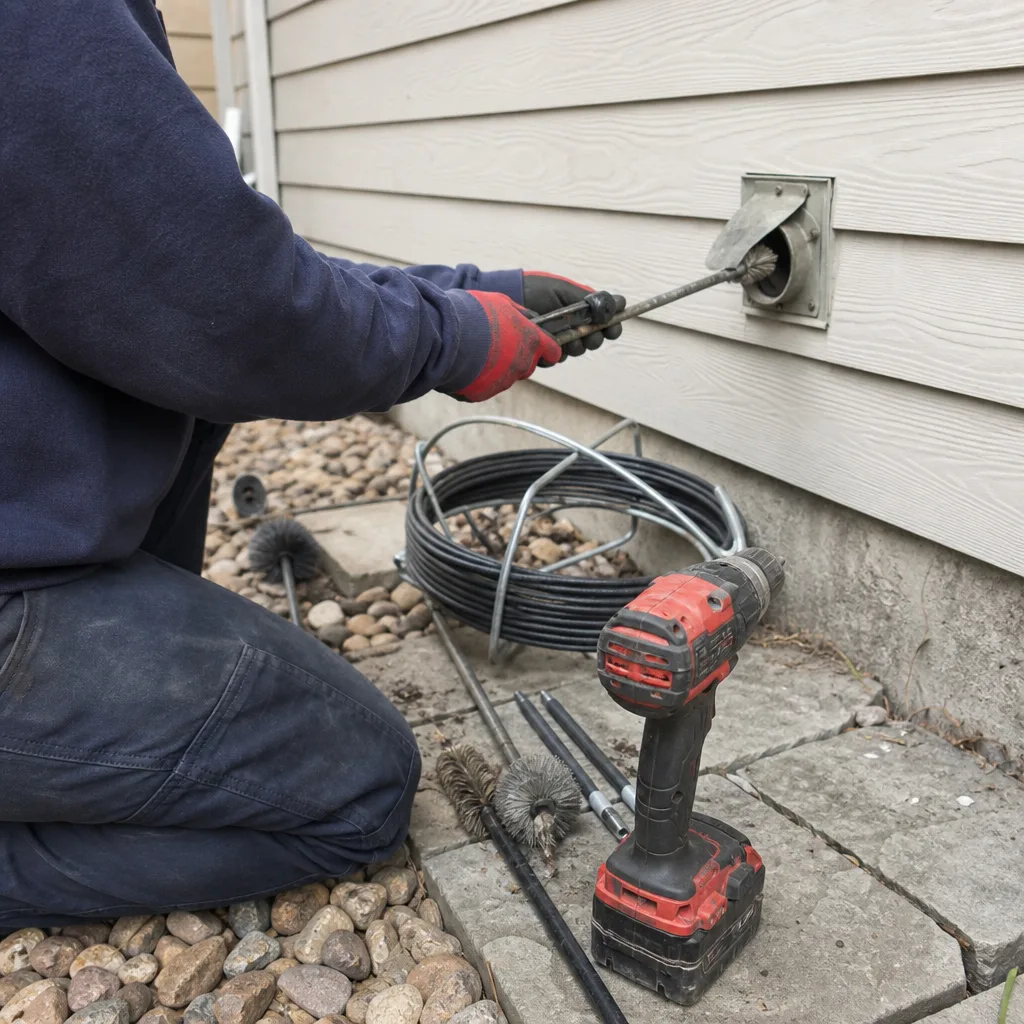
The most powerful tool in preventing oversold duct cleaning is evidence you collect yourself. Before calling any contractor, spend 20 minutes on documentation. It changes the conversation from “tell me your symptoms” to “here’s what I’ve observed.”
- Register face photo. Remove the register grille (typically two screws or spring clips). Photograph the face, the back, and the duct boot visible behind it. Note the date and room. If there’s debris, include a common object for scale - a quarter, a pen.
- Filter photo on day of change. Photograph the loaded filter with the date written on it, the MERV rating visible, and the loading pattern clear. Edge-loading vs. face-uniform loading tells different stories.
- Access panel interior. If your air handler has a user-accessible panel (most do, often with thumb screws), photograph the blower wheel and the evaporator coil visible through the opening. Don’t disassemble anything - if you can’t see it without tools, stop. But what you can see without tools is often diagnostic: a blower wheel caked with debris, a coil with visible buildup, or a drain pan with standing water.
- Temperature log. For uneven temperature complaints, record each room’s temperature with the same thermometer, at the same time of day, for three consecutive days. Note outdoor temperature and whether the system is in heating or cooling mode. This pattern often reveals envelope or design issues that no duct cleaning can address.
- Odor journal. For musty smell complaints, note: time of day, outdoor temperature, system mode, duration of smell, and whether it correlates with system startup or continuous operation. Seasonal, startup-correlated smells point to heat exchanger or drain pan issues. Continuous, room-localized smells point to duct moisture or room-side sources.
When you call CleanRun with this documentation, we can often scope the correct service - or the correct trade referral - before the truck leaves our shop near Santa Fe Drive and Bowles. Haven Standard Clause 1 requires a written price before work starts, but it also requires honest scoping. Your documentation makes honest scoping possible.
Common Mistakes to Avoid
- Accepting a phone quote for “whole-house duct cleaning” without register count or square footage. In Littleton, legitimate pricing requires knowing the number of supply and return runs, the presence of flex vs. metal duct, and accessibility. A flat rate without these variables is either a loss-leader that becomes upsold, or a procedure so superficial it won’t change your system.
- Confusing duct cleaning with duct sealing. Leaky ducts waste energy and create comfort problems. Sealing requires mastic, aerosol injection, or mechanical repair - not vacuum equipment. A contractor who proposes cleaning for a leakage problem is treating the wrong symptom.
- Assuming new construction means clean ducts. The worst construction-dust contamination we’ve documented was in a 2023 build in Sterling Ranch, where the HVAC ran unfiltered for six months of finish work. Age of home is not a reliable proxy for duct condition.
- Treating UV lights or ozone generators as cleaning alternatives. UV-C installed at the coil can reduce microbial growth on that surface. It does not remove debris from ductwork. Ozone is not recognized by EPA for indoor air cleaning and can damage rubber components in your HVAC system.
- Ignoring the moisture source that enabled biological growth. Cleaning mold from a duct that remains wet is temporary. We require moisture source identification as part of any biological contamination scope - it’s non-negotiable under the H.A.V.E.N. Standard.
- Booking based on coupon price alone. The $79 duct cleaning special in Littleton invariably becomes $400-$800 once the technician “discovers” additional vents, “mandatory” sanitizing, or “required” access charges. Our written price includes every run, every photo, every deliverable - before work starts, every time.
When to Call a Professional
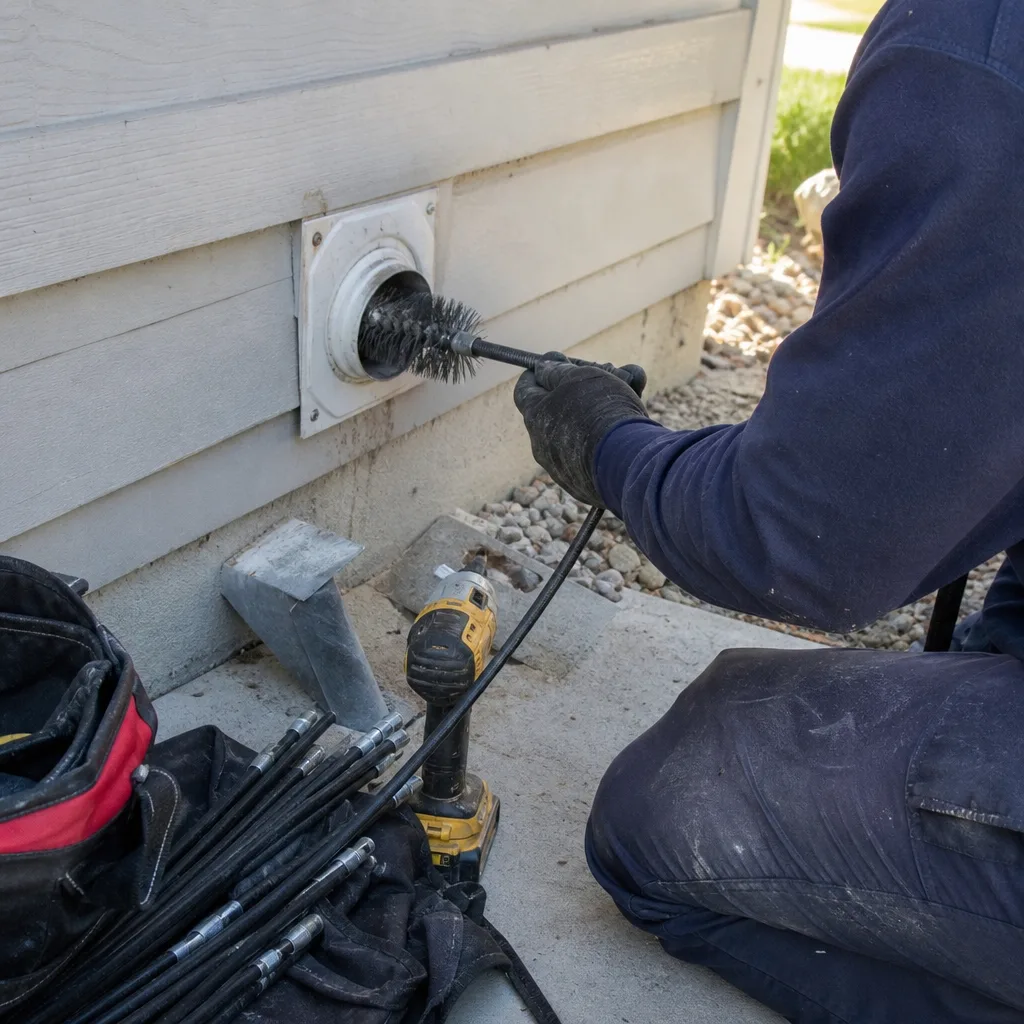
Call when you have photographic or visual evidence of debris inside duct runs, rodent activity in accessible sections, or filter loading faster than 60 days with no explanatory change in household conditions. Call when uneven temperatures persist after verifying registers are open and dampers are adjusted. Call when musty smells are continuous, room-localized, and uncorrelated with seasonal system startup. And call when you’ve documented what you’ve observed and want a contractor who will review your evidence before proposing scope.
CleanRun Air Duct Cleaning Littleton offers free estimates in Littleton. For more guides & resources, visit our blog. - call (720) 315-7291. Every estimate includes camera inspection of accessible ductwork, written pricing under Haven Standard Clause 1, and no obligation. If your documentation points to a non-duct issue, we’ll say so and recommend the appropriate trade.
Frequently Asked Questions
Whole-system air duct cleaning in Littleton typically ranges from $400 for smaller homes with metal ductwork to $850 for larger homes with extensive flex duct, multiple zones, or construction-dust contamination requiring additional agitation time. Biological contamination with moisture damage, antimicrobial treatment, or partial duct replacement can extend above $1,500. CleanRun provides a written price before any work starts - every job, no exceptions - based on register count, duct type, and accessibility, not a teaser rate that changes once the truck arrives. Call (720) 315-7291 for an exact quote; estimates are free.
The $79-$149 coupon specials in Littleton universally exclude the majority of duct runs, charge per-register add-ons, or upsell “sanitizing” and “deodorizing” as mandatory once the technician is in the home. The actual invoice typically reaches $400-$800. True whole-system cleaning with professional equipment - Rotobrush or Nikro agitation systems, negative-pressure extraction from Abatement Technologies, HEPA filtration - cannot be performed at a loss. The difference is not competitive pricing; it’s honest scope versus bait-and-switch. CleanRun’s written price includes every run, every photo, every deliverable.
Demand a documented photo record of every duct run, before and after, delivered as part of the standard job record. CleanRun has photographed every run on every job since 2013 - currently exceeding 52,000 homes - and delivers these images as a standard deliverable, not an upsell. If a contractor cannot or will not show you the interior of your own ducts, you have no evidence that cleaning occurred. The photo record is your proof; anything less is trust without verification.
For typical Littleton homes without pets, renovations, or known contamination, every 5-7 years is reasonable. Homes with multiple pets, recent construction, or occupants with respiratory sensitivity may benefit from 3-5 year intervals. Filter loading rate is your best indicator - if you’re changing quality pleated filters faster than 60-day intervals without explanation, inspect before the next scheduled cleaning. Annual cleaning is unnecessary for most homes and suggests either persistent moisture problems or a contractor with a subscription model.
DIY duct cleaning is limited to register face wiping and vacuuming the boot immediately behind the grille with a household vacuum’s crevice tool. Beyond that point, ductwork contains sharp edges, inaccessible runs, and - in systems with flex duct - fragile material that tears easily. Professional cleaning requires agitation equipment that traverses the full run length, negative-pressure containment to prevent household contamination, and camera verification of results. We do not recommend homeowner entry into ductwork beyond the boot area; the risk of damage exceeds any plausible benefit.
Littleton’s semi-arid climate with low average humidity reduces biological growth risk compared to Gulf Coast or Midwest markets, but our position at 5,300 feet elevation creates distinct factors. Greater diurnal temperature swings stress duct seals and flex duct connections, increasing leakage that pulls attic or crawl space debris. Wind events from the Rockies drive fine particulate through the building envelope. And our freeze-thaw cycle can compromise exterior duct insulation, creating condensation points inside the system that enable biological growth where it wouldn’t occur in consistently dry conditions. These factors don’t necessarily increase cleaning frequency, but they change the contamination profile we find during inspection.
The Bottom Line
Warning signs are only useful when they’re read correctly. Dust at a register, a musty fall smell, or a warm bedroom each points to a specific cause - and most of those causes are not dirty ductwork. This guide exists because the duct cleaning industry profits from symptom misattribution, selling procedures to problems that need different solutions entirely. The homeowner who documents evidence, understands what each symptom actually indicates, and demands camera verification before authorizing scope is protected from overselling. At CleanRun Air Duct Cleaning Littleton, we’ve built our practice on Haven Standard principles: written price before work starts, documented photo record on every job, and accountability through the 365-Day Done Right Promise. If your symptoms genuinely indicate duct cleaning, we’ll show you the evidence, quote the full scope in writing, and deliver proof the work was done. If they don’t, we’ll say so.
Written by Tomas Reyes, Owner at CleanRun Air Duct Cleaning Littleton, serving Littleton since 2013.