
Last updated September 23, 2026
Whole-system duct and dryer vent check with before-and-after photos - you see exactly what came out of your vents
That "$99 whole-house special" is a bait ad - the real number appears once they are in your hallway, or the "clean" is a shop-vac at the register. We photograph the inside of your ducts before and after instead.
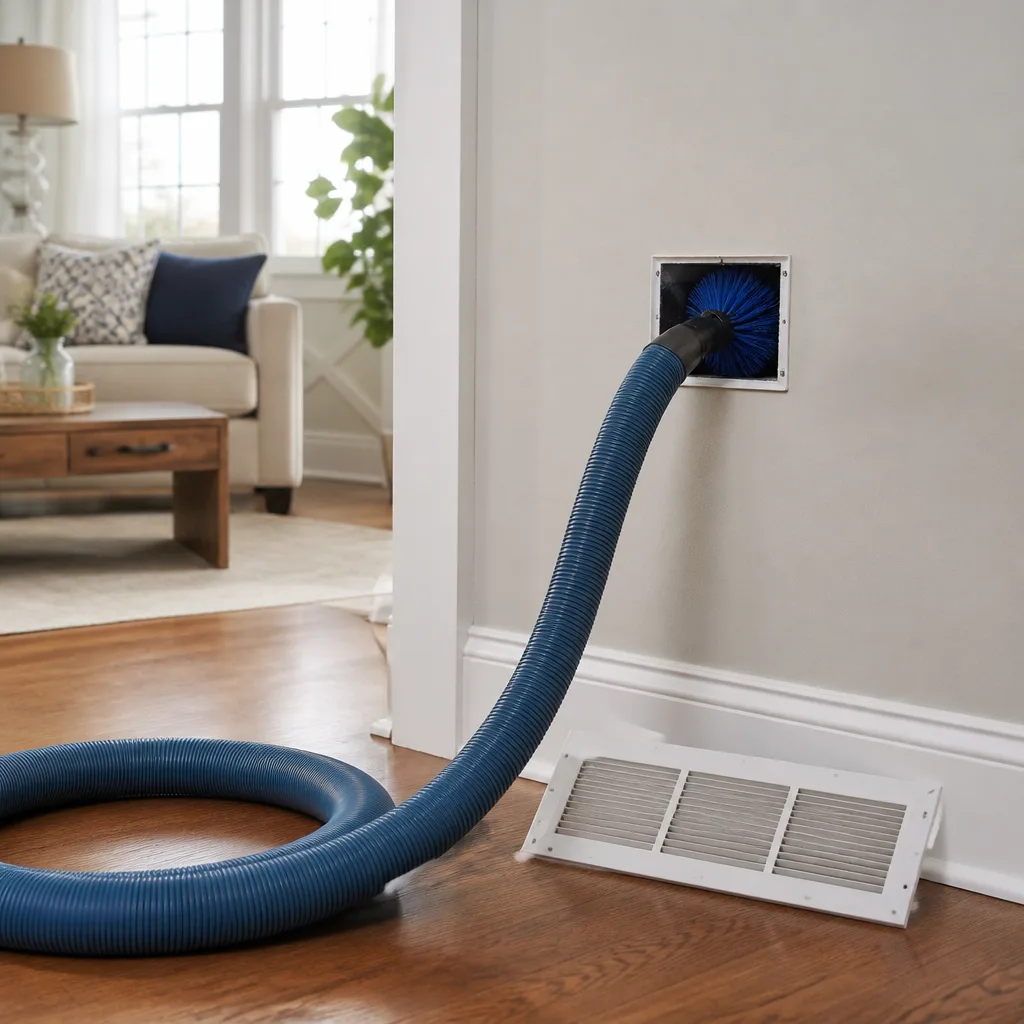
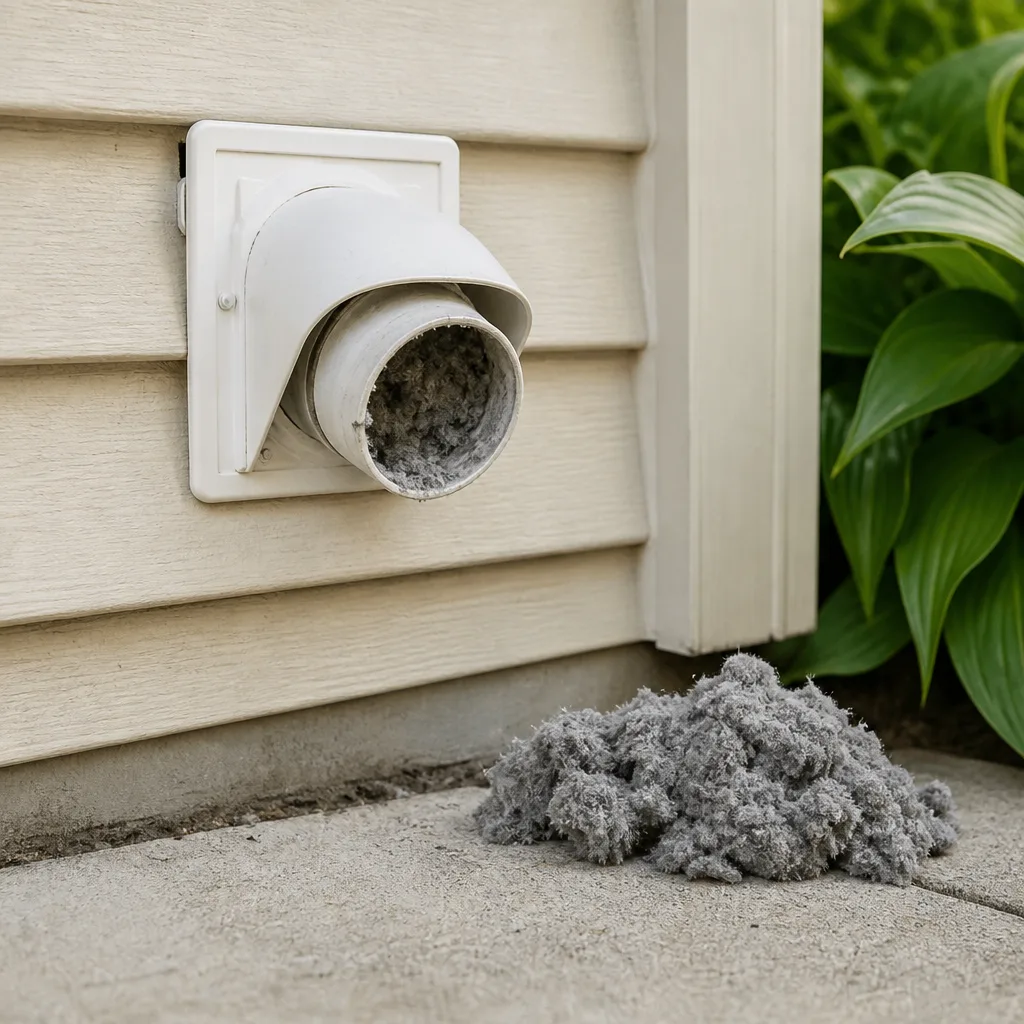
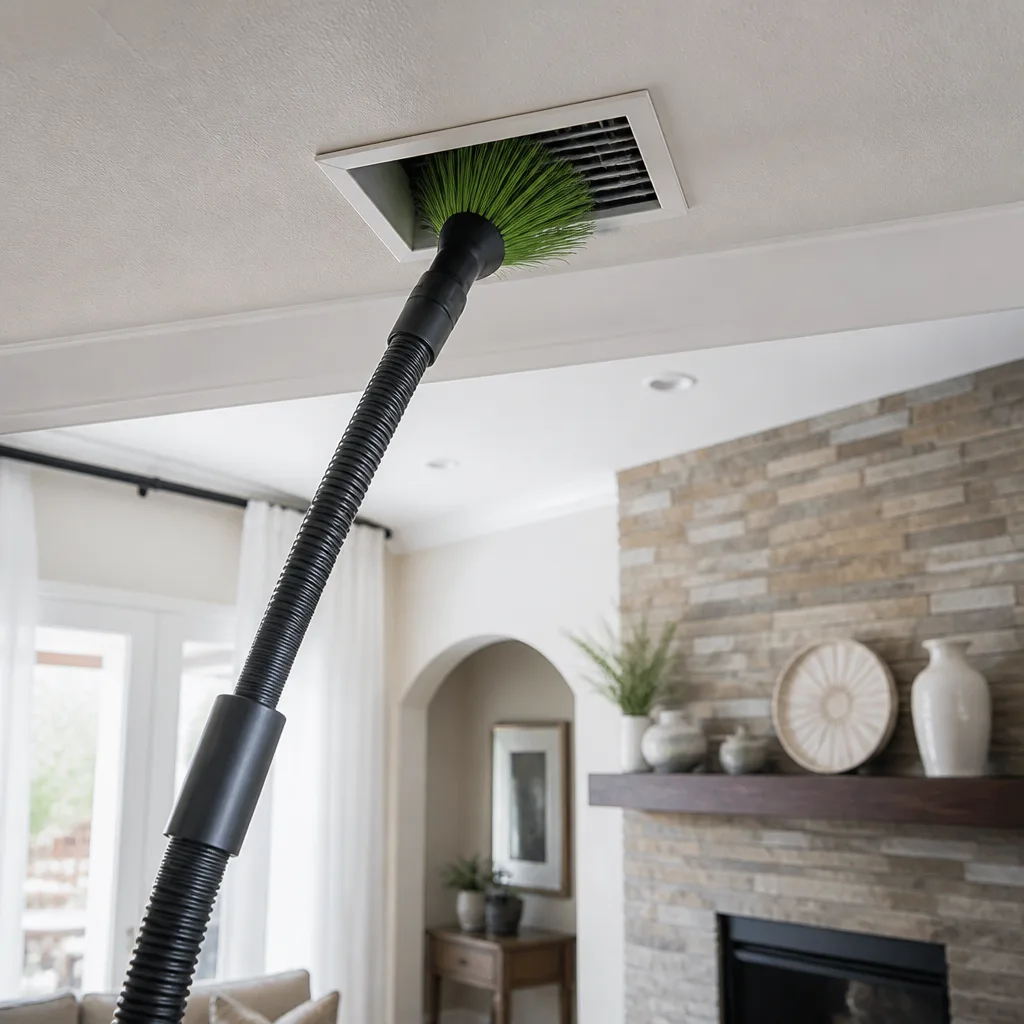
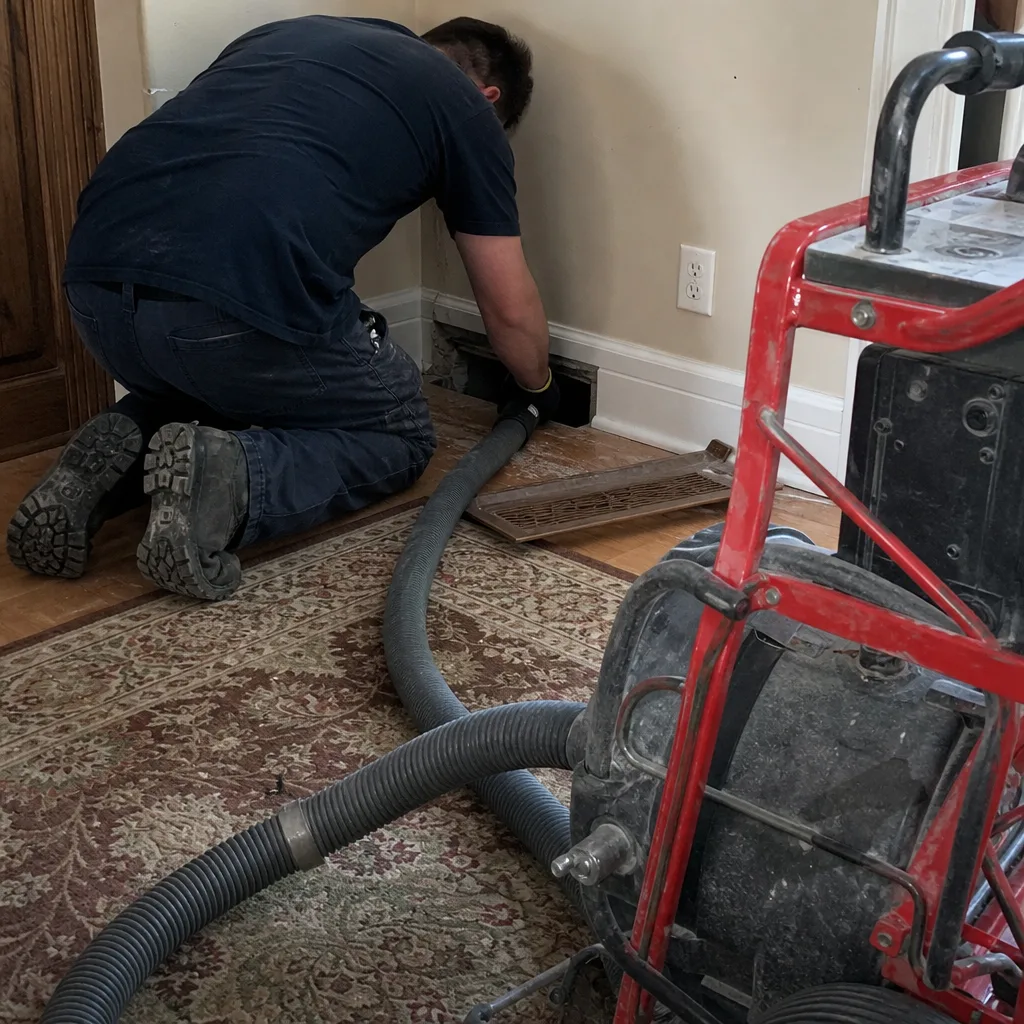 Before
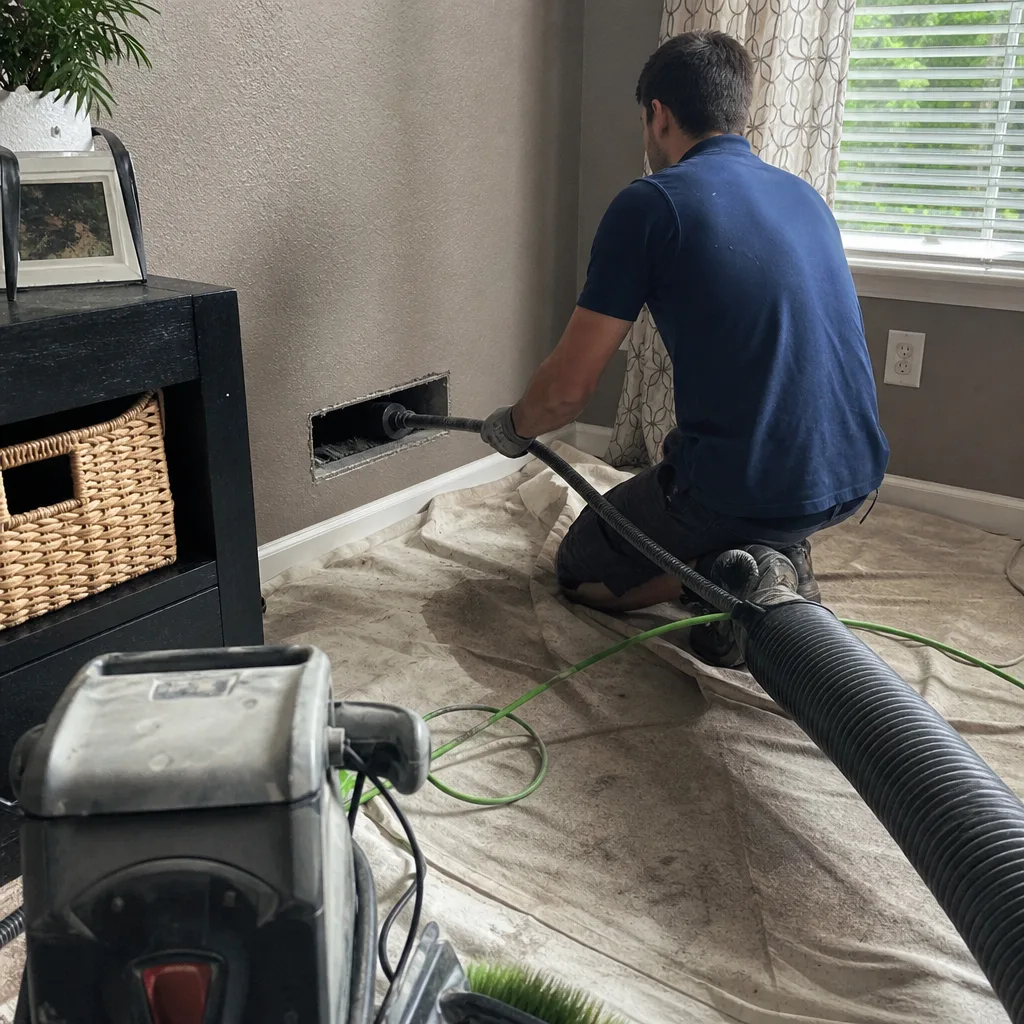 After
After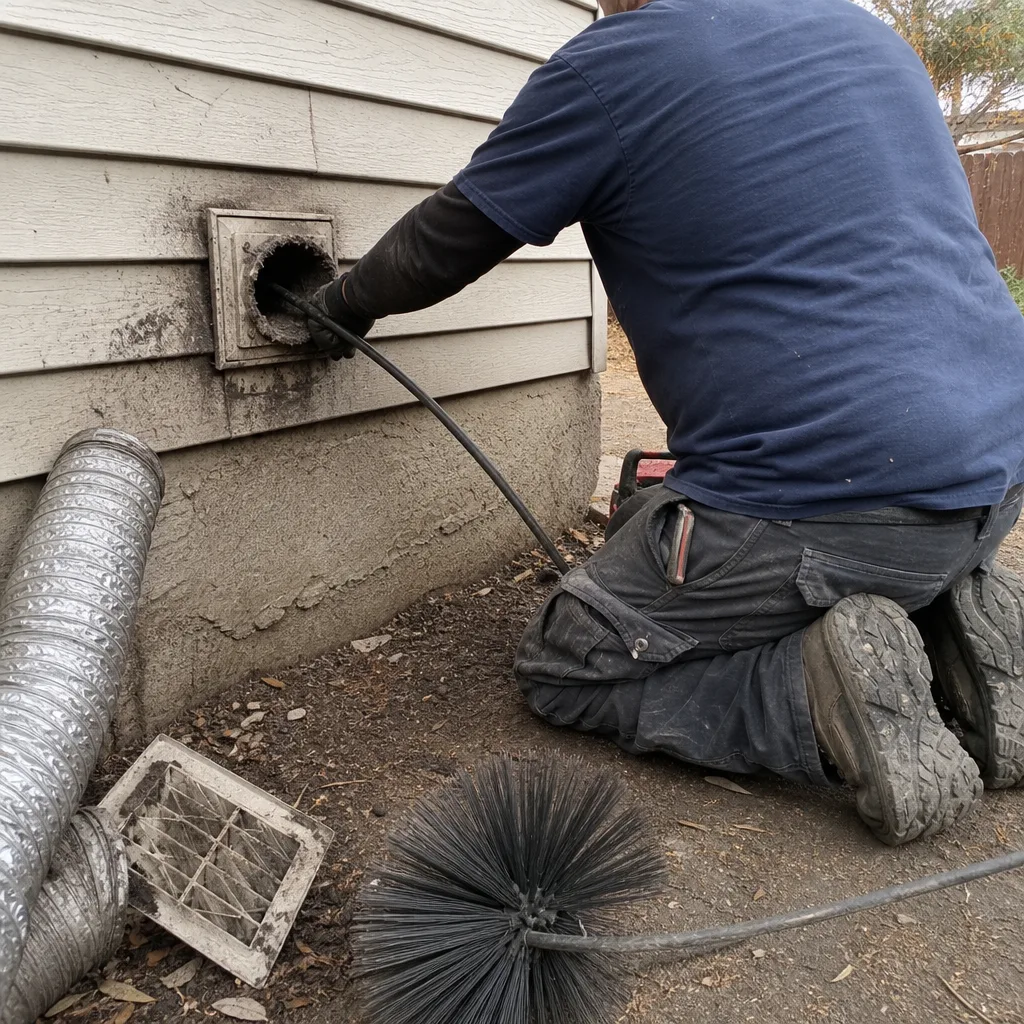 Before
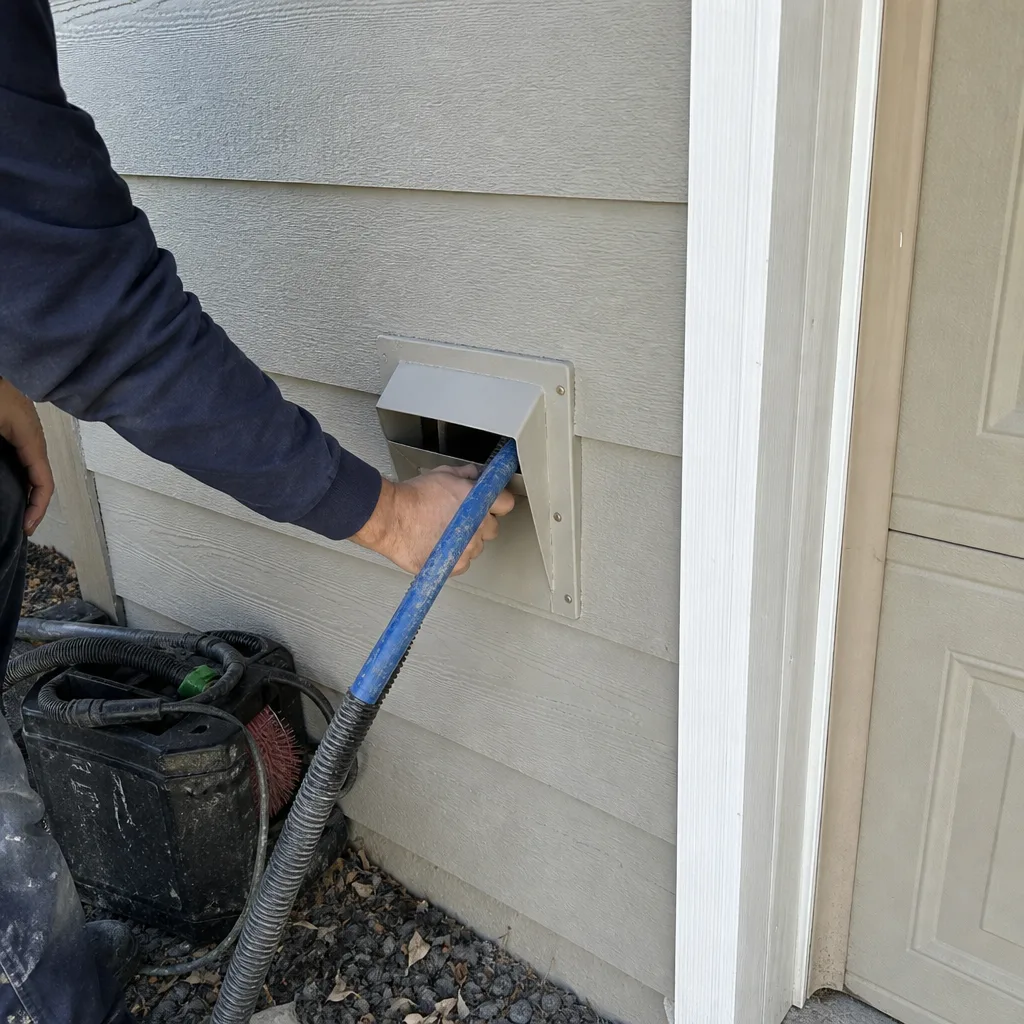 After
After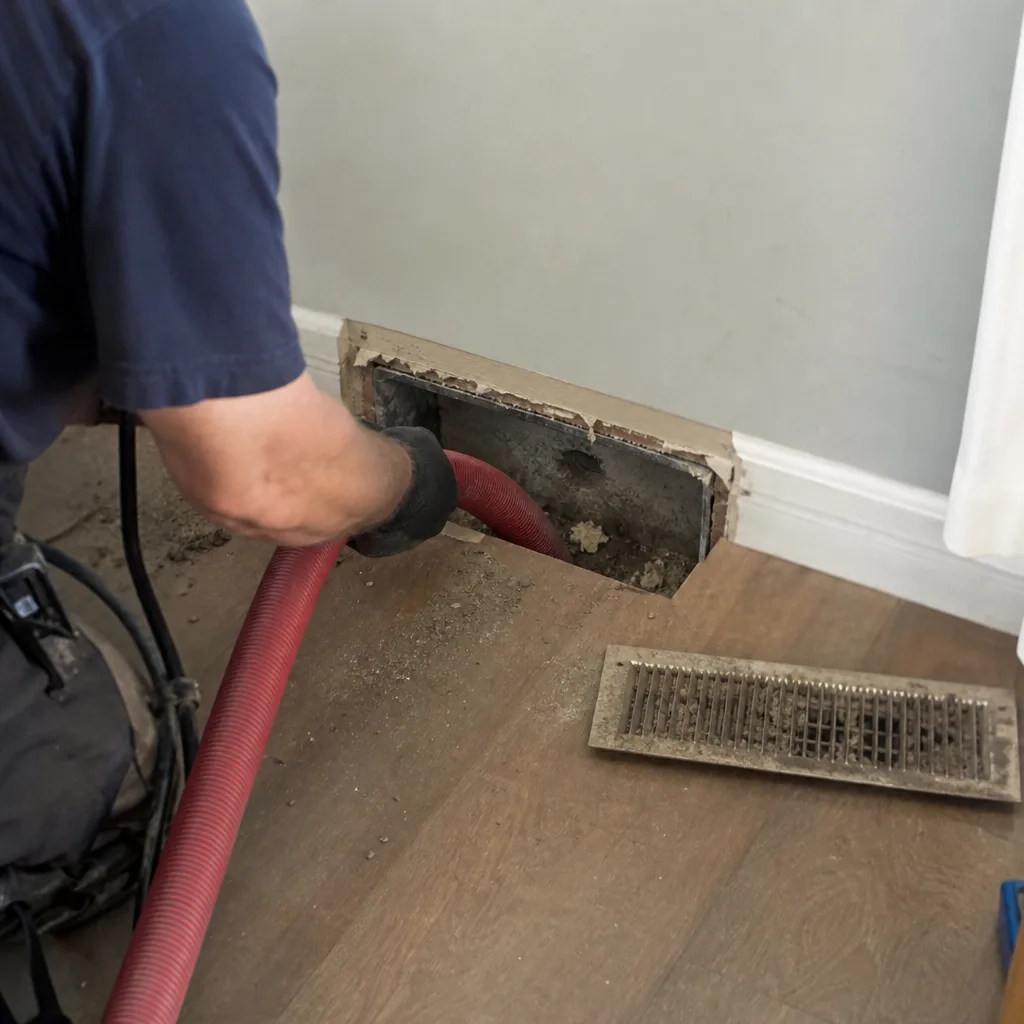 Before
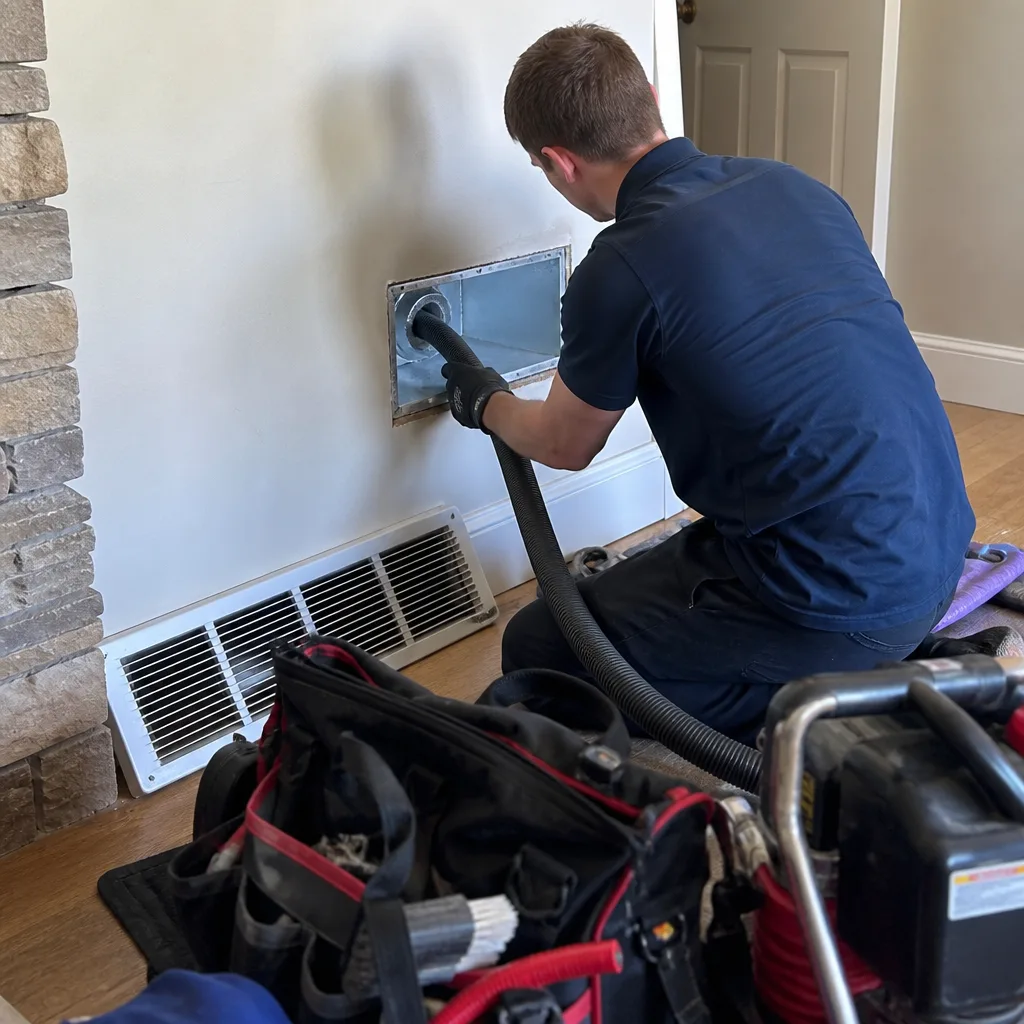 After
AfterAir Duct Cleaning Maintenance Checklist for Littleton Homeowners
A 1-inch pleated filter has a MERV rating; your duct lining does not - and the debris that bypasses even a MERV-11 filter accumulates in the trunk lines where no homeowner ever looks. In Littleton, where cottonwood seed drifts through Ken Caryl Valley each May and wildfire smoke from the Front Range can push particle counts past 150 AQI for days, that hidden accumulation happens faster than most maintenance schedules account for. This guide gives you a month-by-month checklist with pass/fail criteria, not vague suggestions. You’ll learn what to inspect, how to photograph it, and which three observable conditions mean it’s time to schedule our Air Duct Cleaning services rather than swap another filter.
Quick Answer
Littleton homeowners should inspect register faces monthly for debris buildup, photograph main trunk access panels seasonally, and track filter loading rate against outdoor AQI. Schedule professional air duct cleaning when you see visible particulate on diffuser blades after a fresh filter install, musty odor only on the first HVAC cycle, or uneven room temperatures that weren’t present before - typically every 3 to 5 years for most homes, more often after wildfire smoke events or post-construction dust. See Air Duct Cleaning Warning Signs: A Littleton Homeowner’s Reference Guide for a deeper look at these indicators.
Table of Contents
- Why Most Checklists Fail: The Difference Between Filter Maintenance and Duct Maintenance
- Month-by-Month Log: What to Inspect, Photograph, and Record
- Littleton-Specific Seasonal Triggers: Wildfire Smoke, Cottonwood, and Construction Dust
- Building Your Baseline Record: How to Photograph What Matters
- The Three Conditions That Move “Monitor” to “Schedule a Clean Now”
- What Your Checklist Cannot Catch: When You Need a Camera, Not an Eyeball
- Equipment and Trade Terms Every Homeowner Should Recognize
- Common Mistakes to Avoid
- When to Call a Professional
- Frequently Asked Questions
- The Bottom Line
BeforeAfterWhy Most Checklists Fail: The Difference Between Filter Maintenance and Duct Maintenance
Most air duct maintenance checklists online repeat the same four items: change your filter, vacuum registers, schedule annual HVAC tune-ups, and consider duct cleaning “every few years.” For more guides & resources that go beyond generic advice, see our blog. That advice is technically not wrong. It is also not useful. A homeowner in Littleton following that checklist has no way to distinguish normal dust loading from a duct system that is actively recirculating construction debris from a neighbor’s remodel, or wildfire ash that made it past a saturated filter, or cottonwood seed packed against a damp evaporator coil.
The problem is that filter maintenance and duct maintenance measure different things. Your filter captures what passes through the return grille. Your ductwork is what remains after the filter fails, after the filter is installed incorrectly, or after the filter is the wrong spec for the system’s airflow. In our work across Littleton since 2013, we’ve opened trunk lines in homes with pristine 1-inch filters that were changed quarterly and found 2-inch debris beds at the first elbow. The filter was doing its job at the grille. The ductwork was not doing its job downstream.
A useful checklist tracks observable, photographable conditions at specific intervals. It creates a running record. It tells you when a professional clean is warranted and when it isn’t, rather than defaulting to a calendar schedule that ignores how your specific home is actually performing.
Here is what we mean by observable and photographable:
- Register face debris: visible accumulation on diffuser blades, not just dust on the surrounding ceiling
- Filter loading rate: days between install and visible gray loading, tracked against outdoor AQI
- Trunk access panel interior: photographable debris depth at a consistent reference point
- First-cycle odor: musty smell only on the first HVAC cycle of the day, indicating microbial activity in the plenum
- Room-to-room temperature delta: measurable difference that develops over time, not present at move-in
Each of these produces a data point. String enough data points together and you have evidence. That evidence is what lets you say “this system needs attention now” or “this system is performing normally” rather than guessing based on how long it’s been since the last service.
Month-by-Month Log: What to Inspect, Photograph, and Record
This log format is designed to take 10 minutes per month and produce a record you can compare year over year. We recommend keeping it in a cloud folder with dated photos, not on paper that gets lost in a drawer.
Monthly Tasks (First Saturday Recommended)
- Inspect all register faces. Remove the register grille if it lifts off easily. Photograph the diffuser blades and the duct throat behind them with your phone’s flash on. Look for gray or black streaking on the blades themselves, not just dust on the surrounding finish. Streaking indicates air is moving debris past the register face and depositing it on the blades - a sign of upstream loading.
- Note filter condition and install date. If the filter is gray or loaded, record the number of days since install. Compare to the same month last year. A filter that loads in 45 days this March but took 90 days last March is telling you something changed - higher outdoor particle load, increased indoor activity, or a duct leak pulling attic or crawl space debris.
- Run the HVAC cycle and note first-cycle odor. Turn the system on after it has been off for at least 4 hours. Stand at a central return and then at a distant supply register. Any musty or sour smell that dissipates after 2-3 minutes indicates microbial growth in the plenum or evaporator pan, not just dusty air.
Quarterly Tasks (March, June, September, December)
- Photograph the main trunk access panel. Most Littleton homes built 2015-2025 have a sheet-metal access panel near the air handler, typically in the basement, utility closet, or garage. Remove the panel (usually 4-6 screws), photograph the interior with flash, and note debris depth against a fixed reference - the bottom seam of the trunk, or a marked spot with painter’s tape. This is your baseline. Do not clean it before photographing.
- Check room-to-room temperature with a thermometer. Not the thermostat reading - an actual thermometer at chest height in each room, 10 minutes after the system has been running. Record the spread. A spread that widens over quarters indicates restricted airflow in some runs, which can be debris-related or leakage-related. The checklist catches the change; a pro determines the cause.
- Inspect the condensate drain line for algae or blockage. A blocked drain in Littleton’s dry climate usually means the pan has been wet longer than it should be, which correlates with microbial loading in the plenum.
Annual Tasks (January Recommended)
- Compile the year’s photos and notes into a single comparison document. Lay January, March, June, September, and December trunk photos side by side. The eye detects gradual change that monthly viewing misses.
- Compare filter loading rates to outdoor AQI data. Littleton’s AQI spikes in summer wildfire season and occasionally in winter inversion events. If your filter loading does not correlate with AQI spikes, you likely have an indoor source or a duct leak.
- Schedule professional inspection if any quarterly photo shows debris depth exceeding 1/4 inch at the trunk access, or if room temperature spread exceeds 4 degrees Fahrenheit.
The Air Duct Cleaning in Littleton service we provide includes a full Documented Photo Record of every duct run, before and after, as part of the standard job record. Homeowners who keep their own monthly log find the comparison useful - they can see exactly what changed after professional cleaning.
Littleton-Specific Seasonal Triggers: Wildfire Smoke, Cottonwood, and Construction Dust
Littleton’s location on the Front Range creates specific duct maintenance events that generic checklists ignore. Your log should flag these explicitly.
Post-Wildfire Smoke Events
When wildfire smoke from Cameron Peak, East Troublesome, or Front Range fires pushes AQI above 100, standard 1-inch pleated filters load rapidly. The critical check: after the smoke event clears, inspect your filter and your trunk access panel within 7 days. We’ve documented cases in Littleton’s Columbine Valley and Ken Caryl Ranch where filters were changed mid-event but fine ash still penetrated and settled in the plenum. The ash is white-gray, finer than household dust, and visible against dark duct liner. If you see it, schedule cleaning. Ash is alkaline and can accelerate liner degradation over time.
After any major smoke event, upgrade to at least MERV-11 for 30 days, then inspect. Do not run MERV-13 or higher on a system not designed for it - the static pressure drop can strain the blower motor.
Spring Cottonwood Bloom (Late May Through June)
Cottonwood seed is large, visible, and surprisingly persistent. It enters through gable vents, crawl space vents, and any duct leak in the return path. In Littleton neighborhoods with mature trees - particularly near the South Platte River corridor - we’ve found seed accumulation in crawl space flex duct that partially blocks airflow to downstream rooms. Your monthly register check should include looking for white fluff at the duct throat behind the grille. If present, the seed is entering upstream of the filter, which means a return leak.
Post-Construction Dust (Any Neighbor Renovating Within 300 Feet)
Construction dust is silica-heavy and abrasive. In Littleton’s active infill areas - Downtown Littleton, the Crestwood neighborhood, and new builds in Sterling Ranch - even a neighbor’s basement finish or kitchen remodel can elevate ambient particle counts. The telltale sign: filter loads in half the normal time, and the debris at the trunk access has a gritty, sand-like texture rather than fluffy gray dust. This debris does not self-clear. It accumulates and compacts.
Winter Inversion Events
January temperature inversions in the Denver metro area trap particulates at low altitude. Littleton’s elevation varies from 5,300 to 6,000 feet, so valley neighborhoods like near Bowles Avenue experience worse air quality than ridge neighborhoods like Deer Creek Canyon during inversions. If you live in a lower-elevation pocket, expect more frequent filter changes January through March.
Building Your Baseline Record: How to Photograph What Matters
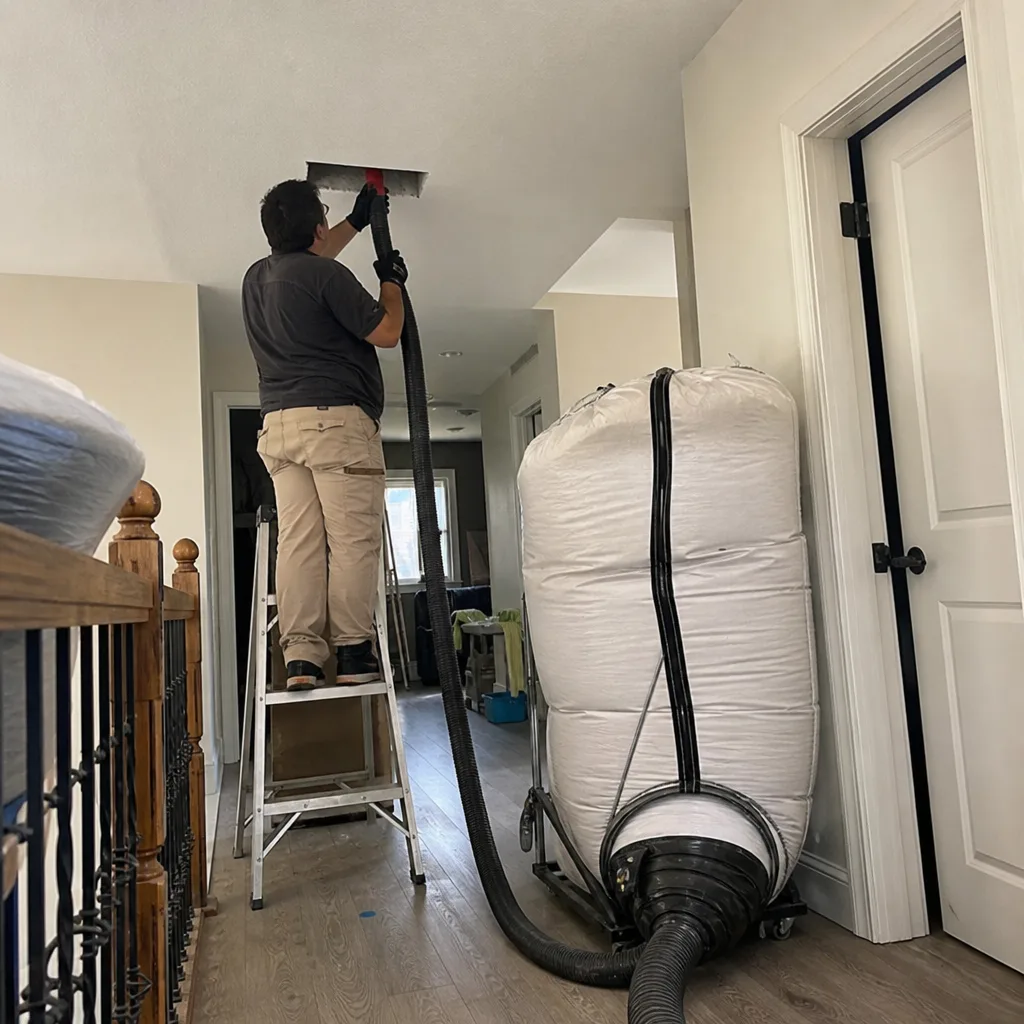
A baseline record protects you from two problems: contractors who claim work was done that wasn’t, and your own memory of what “normal” looked like six months ago. CleanRun has delivered a Documented Photo Record on every visit since 2013 because we’ve seen how quickly homeowners forget the condition their system was in. Your own baseline serves the same purpose.
Register Face Photography
- Turn off the HVAC system 30 minutes before photographing. Moving air blurs fine debris.
- Remove the register grille if it lifts off without tools. If it is screwed in, photograph through the face.
- Place a white index card or piece of printer paper at the duct throat as a color reference.
- Photograph with flash, holding the phone parallel to the duct opening, not angled down.
- Include a date reference - handwritten note or phone screenshot - in the frame.
- Store with filename format: Register_[Room]_[Date], e.g., Register_MasterBedroom_2024-03-15.
Main Trunk Access Panel Photography
- Locate the access panel - typically a 12×12 or 14×14 sheet metal square near the air handler, with screws at the corners.
- Remove screws and set panel aside. Do not reach inside.
- Place a ruler or tape measure at the bottom seam of the trunk, visible in the frame.
- Photograph straight into the trunk, flash on, showing at least 12 inches of duct interior.
- Photograph the panel interior as well - debris often accumulates on the panel itself where condensation collects.
- Replace panel and screws. Do not overtighten - sheet metal screws strip easily.
The goal is not artistry. It is consistency. Same angle, same lighting, same reference points. After two or three cycles, you’ll spot changes immediately.
The Three Conditions That Move “Monitor” to “Schedule a Clean Now”
Your monthly log will produce noise. Most changes are normal variation. These three conditions are not normal variation. They are signals that debris has accumulated past the point where filter changes can address it.
Condition 1: Visible Particulate on Diffuser Blades After a Fresh Filter Install
If you install a new filter and within 14 days see debris streaking on register diffuser blades, the debris is not coming from your living space. It is coming from inside the ductwork, downstream of the filter. This means accumulated debris in the trunk or branches is being mobilized by airflow and depositing at the supply registers. The filter is clean. The ducts are not. In our Littleton work, this is the most common early indicator we see in homes 4 to 7 years post-construction, when initial construction dust has finally worked loose from trunk line seams.
Condition 2: Musty Odor Only on First HVAC Cycle
A musty smell that appears only when the system first starts, then dissipates within 2-3 minutes, indicates microbial growth in the plenum or on the evaporator coil, not in the living space. The odor is concentrated in the ductwork and pushed out with the first air volume. If the smell persisted, it would be a living space humidity problem. Its brief, cycle-tied presence means the duct interior is the source. This condition worsens in Littleton’s spring and fall shoulder seasons, when systems cycle less frequently and moisture sits longer.
Condition 3: Uneven Room Temperatures That Weren’t Present Before
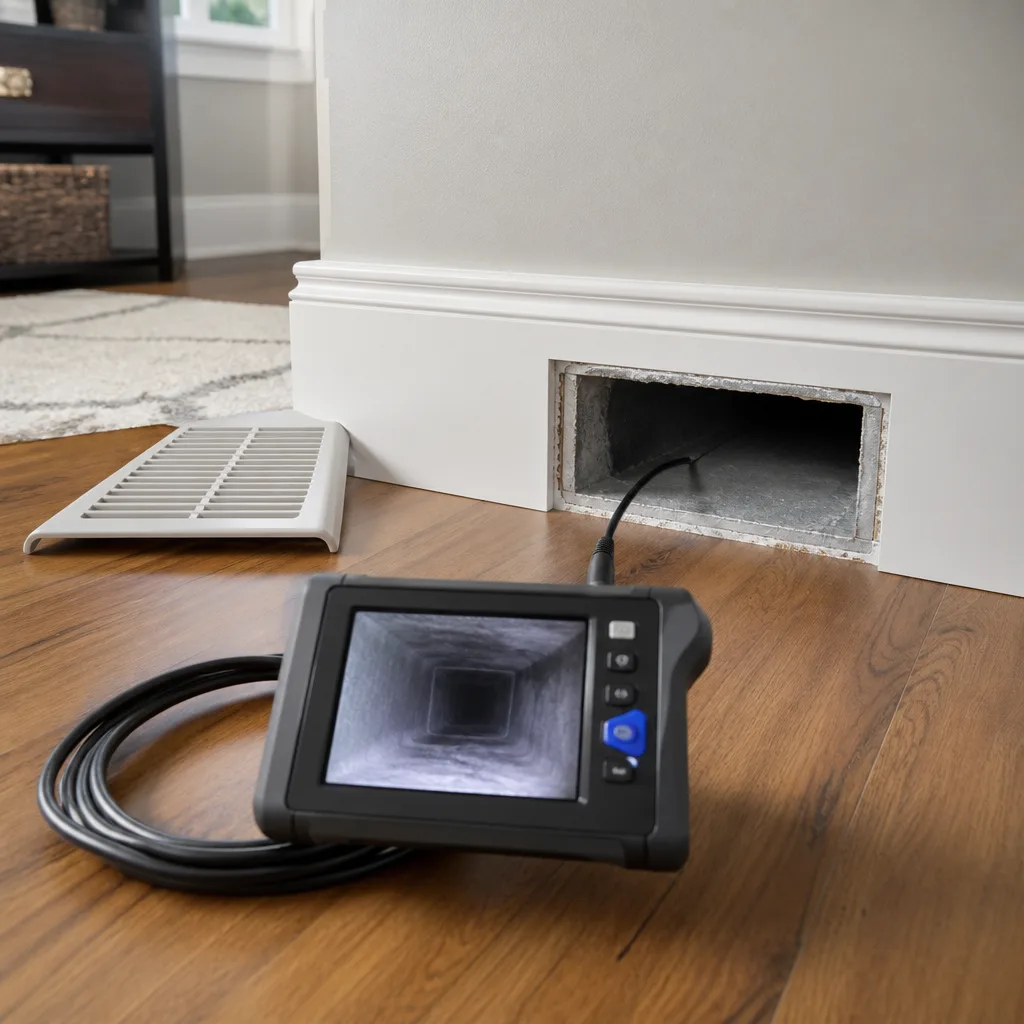
A bedroom that was always 2 degrees cooler than the thermostat is a design characteristic. A bedroom that became 2 degrees cooler over six months is a change. Your quarterly temperature log catches this. The cause may be debris partially blocking a branch duct, a disconnected flex run, or a collapsed liner. The checklist flags the change. A professional with a borescope camera determines which cause applies.
When any of these three conditions appear, your log has done its job. It has converted a vague sense that “the air seems different” into an observable, datable event. That is when you schedule professional service.
The CleanRun Air Duct Cleaning Littleton home service process starts with a written price before any work begins, under Haven Standard Clause 1. We do not provide estimates over the phone for condition-based cleans - we inspect first, photograph what we find, and deliver a written scope and price before equipment is unloaded.
What Your Checklist Cannot Catch: When You Need a Camera, Not an Eyeball
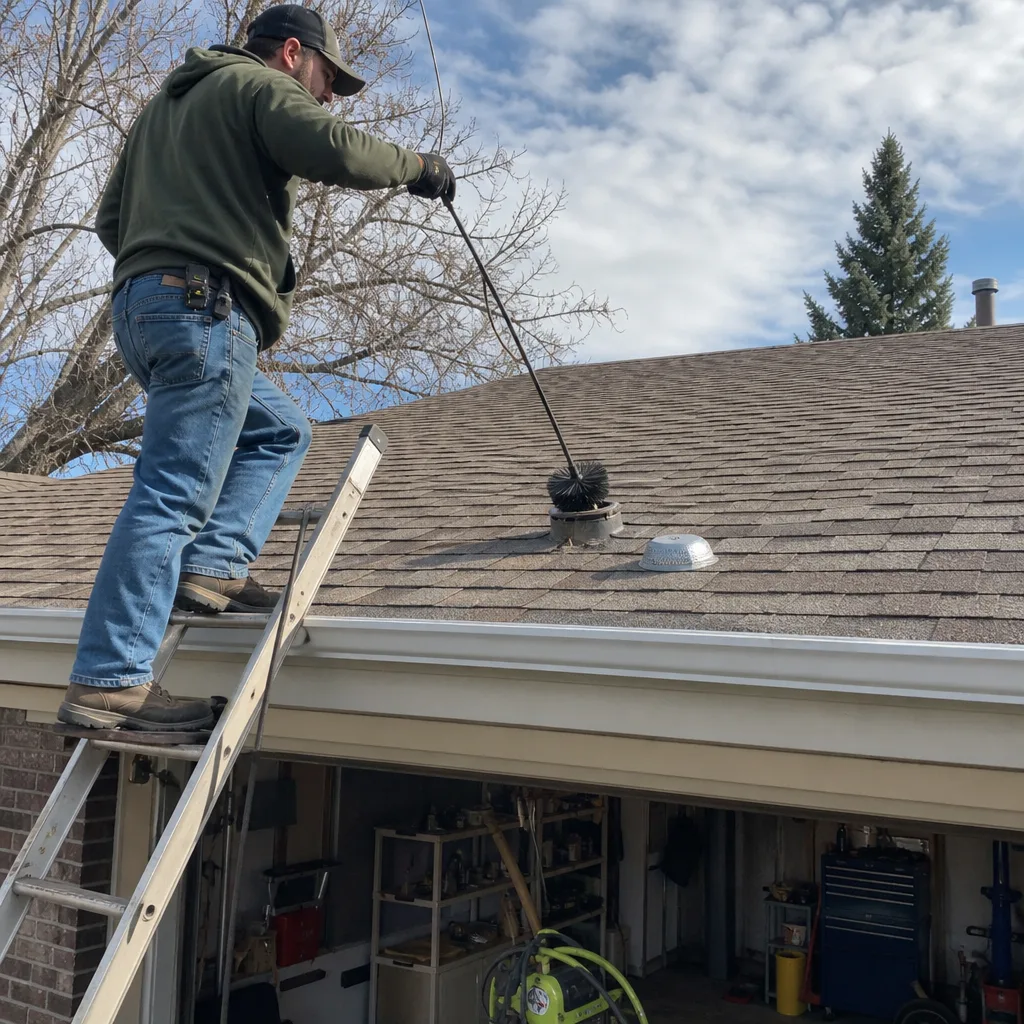
Honest maintenance guidance includes knowing the limits of homeowner inspection. Your monthly log and quarterly photography are valuable. They are not comprehensive. There are duct conditions that produce no visible signal at registers or access panels, that require a borescope camera and negative-pressure testing to detect.
Duct leakage. A return duct leak in an unconditioned attic pulls hot summer air and cold winter air into the system, but produces no visible debris at registers. The symptom is energy bills that creep up without explanation, or a system that runs longer to reach setpoint. Your temperature log may hint at it. Confirmation requires a duct blaster test or smoke pencil inspection - not homeowner equipment.
Disconnected flex duct runs. Flex duct - the ribbed, insulated tubing common in Littleton homes since the 1990s - can separate at connection collars in attics and crawl spaces. The room served by that run receives no conditioned air. The homeowner response is often to close other registers to “force” air to the problem room, which strains the system. No amount of register photography catches a disconnection 20 feet upstream in an attic.
Collapsed liner. Duct liner, the fiberglass insulation bonded to sheet metal interiors, can delaminate and collapse into the airstream, creating a partial blockage. The symptom is gradually reduced airflow to one or more rooms, sometimes with a whistling or rumbling sound. The collapsed liner is invisible from access panels and registers. A borescope camera inserted at the register face or through a temporary access hole is required.
Evaporator coil fouling. The coil sits downstream of the filter but upstream of most duct branches. It can become a debris collection point that never reaches the registers. The symptom is reduced cooling capacity, ice formation, or musty odor. Coil inspection requires removing a panel at the air handler and often requires a fin comb and specific cleaning chemistry - not a homeowner task.
These conditions are why we include a full system inspection with every HVAC Cleaning in Littleton service, not just duct vacuuming. The camera finds what the eye cannot.
Equipment and Trade Terms Every Homeowner Should Recognize
Understanding what professional duct cleaning involves helps you evaluate quotes and recognize inadequate service. These are the terms and equipment names that appear in legitimate scope documents.
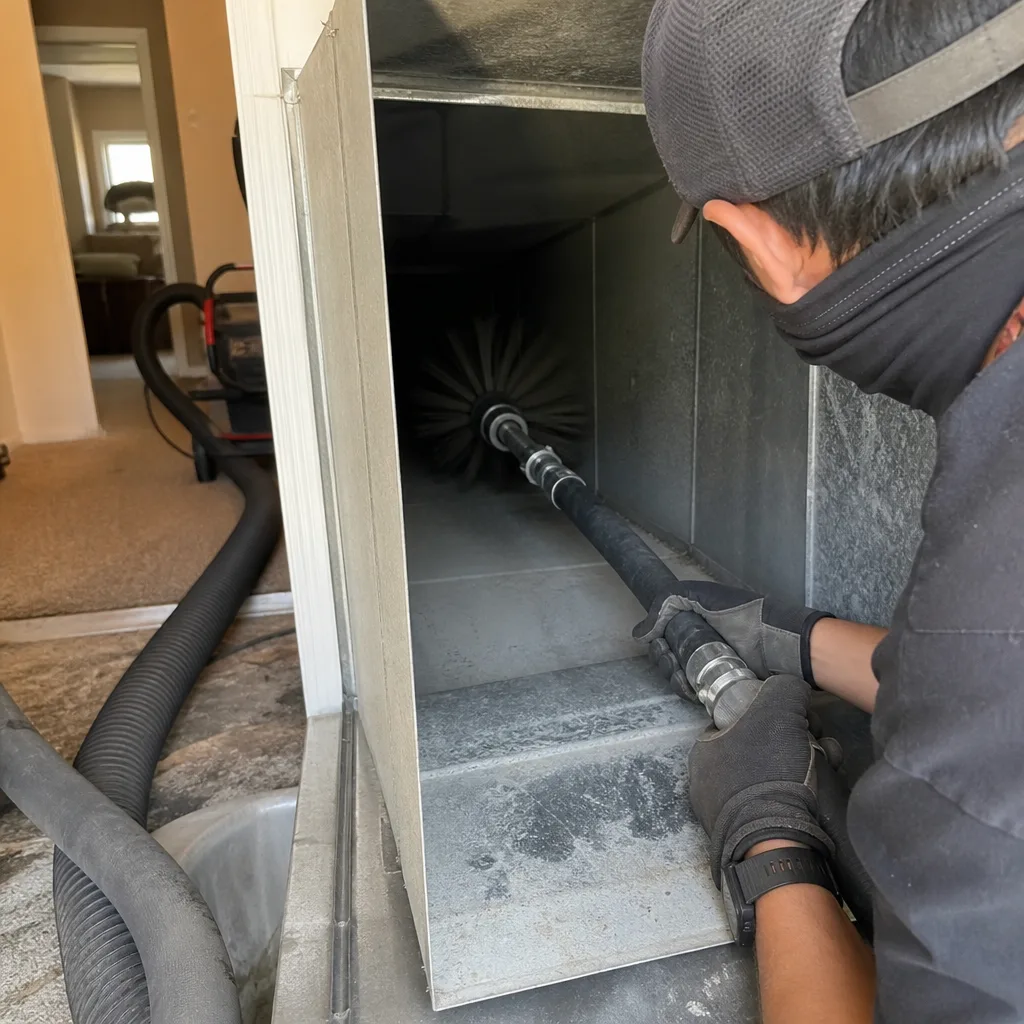
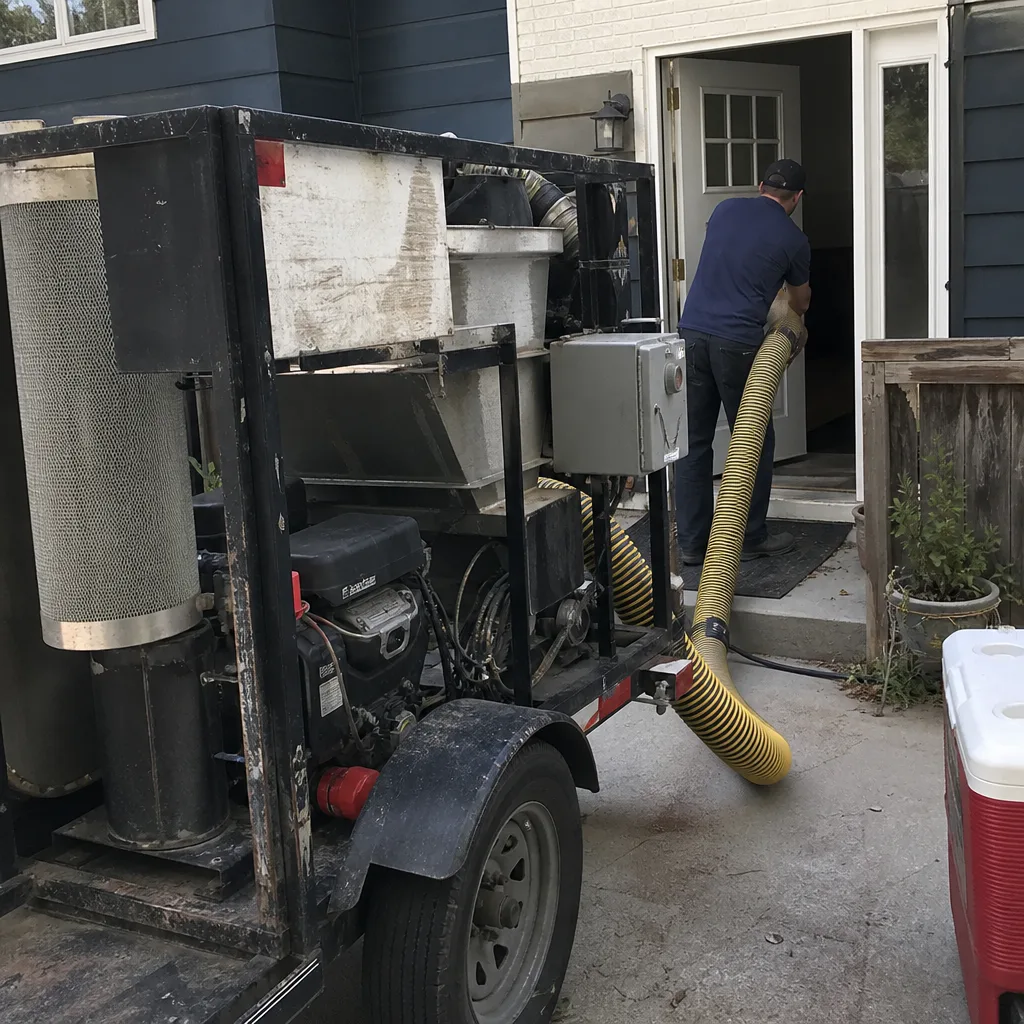
Negative-pressure extraction. The duct system is placed under vacuum while agitation tools loosen debris. This prevents debris from escaping into the living space during cleaning. Any service that does not use negative-pressure containment is not performing source removal - it is performing disturbance.
Plenum. The large sheet metal box directly attached to your air handler. It distributes conditioned air to the trunk lines. The plenum is often the most debris-loaded component because all air passes through it, and it is rarely filtered after the air handler itself.
Duct run. A single continuous path from trunk to register. A “complete duct cleaning” should address every run, not just the accessible ones. Ask for a count: “How many supply runs and how many return runs are included?”
Register vs. grille vs. diffuser. The register is the assembly in the wall or floor. The grille is the visible face. The diffuser is the portion with directional vanes that spread airflow. Precision matters in scope documents.
Agitation tools. Professional systems use rotating brushes, compressed air whips, or skipper balls to dislodge debris from duct walls. Brand names you can verify: Rotobrush for rotary brush systems, Nikro for HEPA-filtered collection equipment, Abatement Technologies for negative-pressure machines. CleanRun operates equipment from this roster on every job. We name the specific equipment in our written scope so customers can look up manufacturer specifications independently.
HEPA filtration on collection equipment. The vacuum that creates negative pressure must exhaust through HEPA filtration rated at 99.97% at 0.3 microns. Otherwise, the machine captures large debris and blows fine particles back into your home or the technician’s breathing zone.
Air quality accessories. After mechanical cleaning, some homeowners opt for additional treatment. Aprilaire and Honeywell manufacture whole-home air purifiers that install at the plenum. Guardsman produces duct sealants for minor leak repair. These are legitimate products with published specifications. We do not recommend them for every job, but we name them when relevant so customers can research independently.
Common Mistakes to Avoid
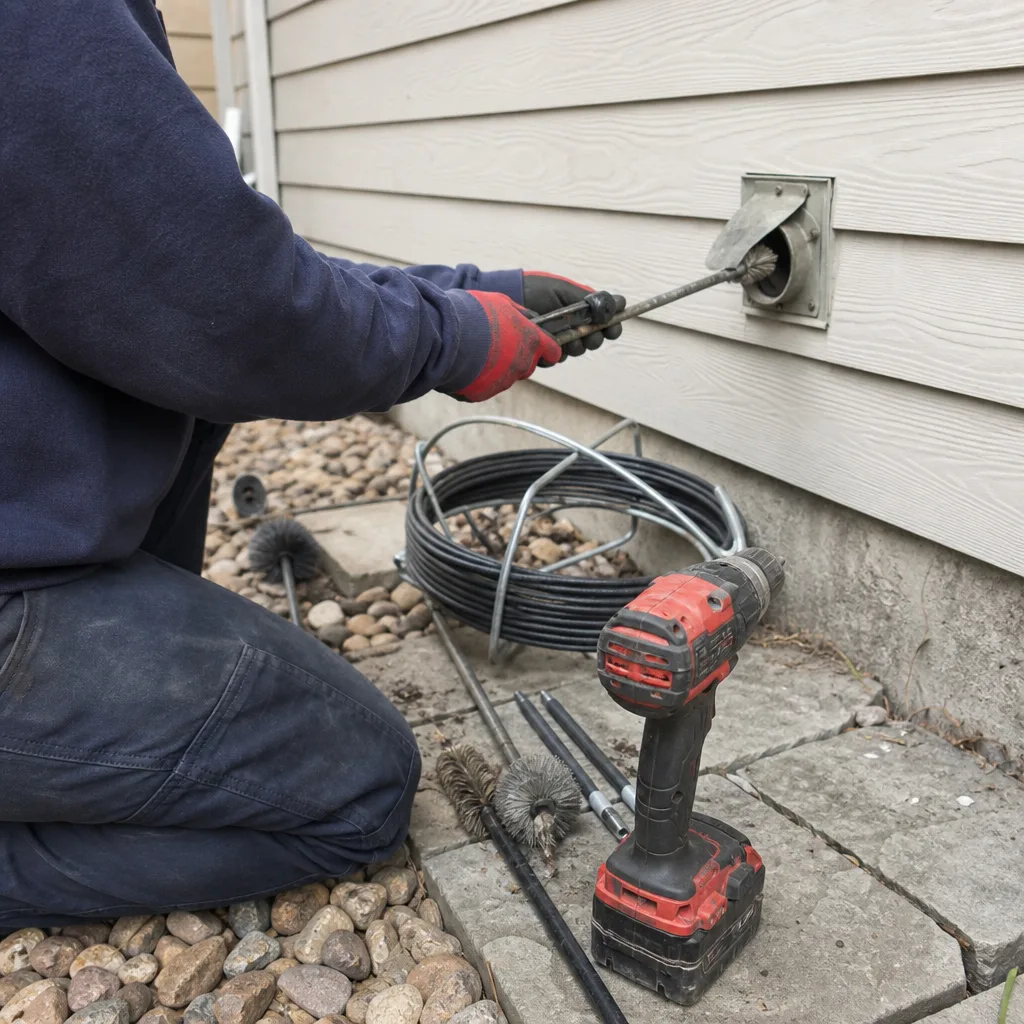
- Assuming a clean filter means clean ducts. The filter is at one point in the system. Debris accumulates at elbows, dampers, and the plenum where no filter reaches. We’ve found 3-inch debris beds in Littleton trunk lines with filters changed religiously every 60 days.
- Using the wrong MERV rating for your system. A MERV-13 filter on a system with a PSC blower motor designed for MERV-8 reduces airflow, increases static pressure, and can cause the blower to overheat. Check your equipment manual or ask your HVAC technician for the maximum recommended MERV.
- Photographing only the register grille, not the duct throat behind it. The grille is cosmetic and easily cleaned. The throat shows what’s coming through the duct. Angle your phone to capture both.
- Ignoring construction in the neighborhood. In Littleton’s active building zones, silica dust from nearby grading or framing can elevate indoor particle counts for months. If your filter loading rate suddenly doubles, look outside before assuming your system is failing.
- Scheduling cleaning based on calendar years alone. A home with no pets, no smokers, MERV-11 filters, and no nearby construction may have minimal duct loading at year 5. A home with three dogs, MERV-5 filters, and a basement finish next door may need cleaning at year 2. The checklist determines timing; the calendar does not.
- Accepting “blow-and-go” service. If a technician is in and out in 90 minutes for a 2,500 square foot home with 15+ duct runs, the job was not done. Proper negative-pressure extraction with register-by-register agitation takes time. Ask for the expected duration in writing.
- Not requesting before-and-after documentation. Any service that cannot show you what was removed and what remains is asking for trust it has not earned. CleanRun’s Documented Photo Record on every visit exists because we believe evidence outperforms promises.
When to Call a Professional
Call when your checklist produces one of the three conditions above: visible particulate on diffuser blades after fresh filter install, musty odor only on first cycle, or developing room-to-room temperature inequality. Call after any major wildfire smoke event if your trunk access photo shows fine ash accumulation. Call if your annual comparison shows debris depth increasing faster than filter loading rate - that gap indicates upstream contamination the filter is not catching.
CleanRun Air Duct Cleaning Littleton offers free estimates in Littleton. Every estimate includes a written scope and price before any work begins, under Haven Standard Clause 1. Every completed job includes a Documented Photo Record of every duct run, before and after, and is backed by the 365-Day Done Right Promise. Call (720) 315-7291 to schedule.
Frequently Asked Questions
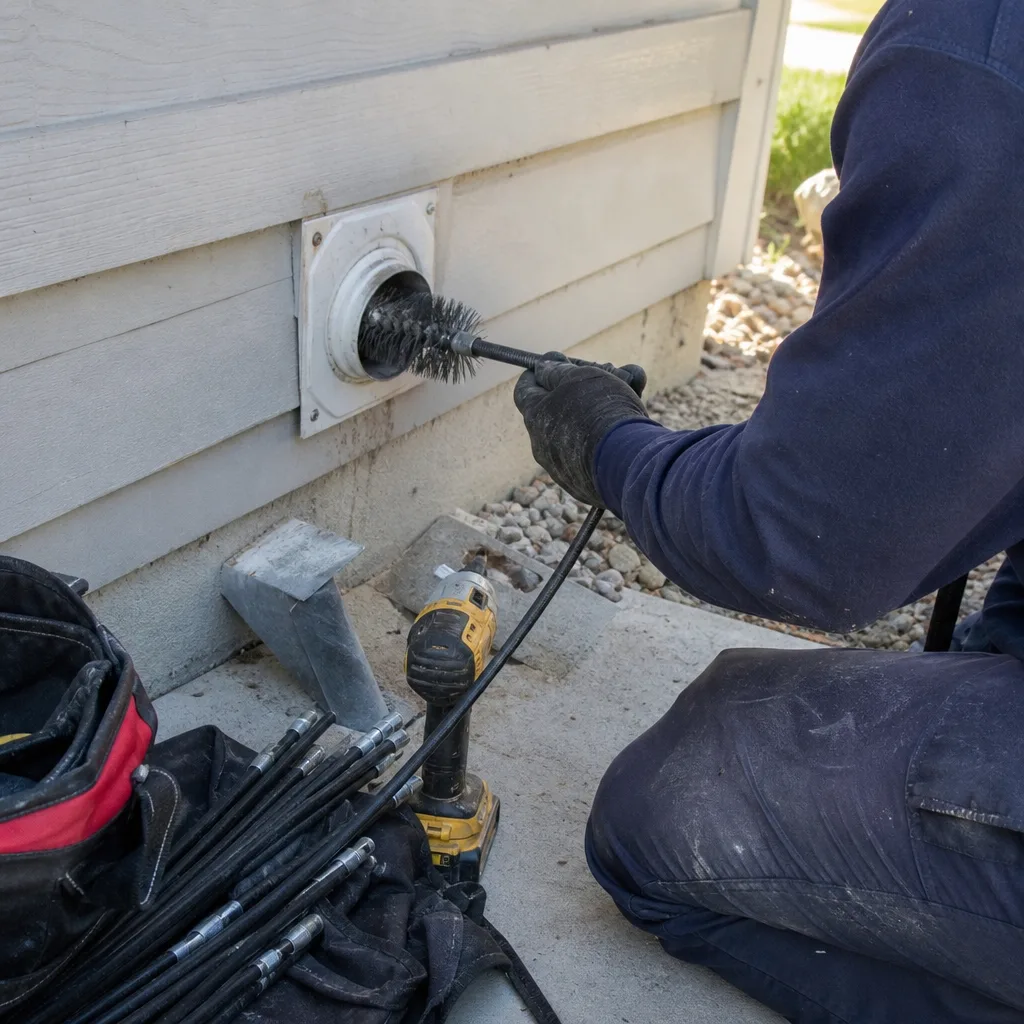
Whole-system air duct cleaning for a typical Littleton home ranges from $450 to $850, depending on system size, accessibility, and condition. CleanRun delivers a written price before any work starts, every time, under Haven Standard Clause 1. We do not quote per-vent prices or advertise teaser rates that change once the truck arrives. Call (720) 315-7291 for an exact quote - estimates are free.
The $79 to $149 duct cleaning offers you see online or in mailers are typically entry points for upselling. The technician arrives, inspects the system, and identifies “additional services” that bring the final invoice to $600 or more. In some cases, the “cleaning” is a shop vacuum at the register face with no negative-pressure containment or branch line agitation. A legitimate whole-system clean requires HEPA-filtered collection equipment, agitation tools like Rotobrush or Nikro systems, and several hours of labor. That has a floor cost. CleanRun publishes our equipment roster and delivers one flat price per system, agreed in writing before work starts.
You should receive dated, labeled photographs of the interior of every duct run, before and after cleaning. CleanRun includes this Documented Photo Record as a standard deliverable on every job, a practice we’ve held since 2013. If a company cannot or will not show you what your ducts looked like before and after, you have no evidence the work occurred.
For most Littleton homes with standard occupancy and MERV-8 to MERV-11 filters, every 3 to 5 years is typical. Homes with multiple pets, recent construction, or frequent wildfire smoke exposure may need cleaning every 2 to 3 years. The maintenance checklist in this guide replaces calendar guessing with observable criteria. When your log shows one of the three trigger conditions, it’s time regardless of the year.
You can maintain registers, change filters, and photograph access panels as this guide describes. You cannot perform source-removal cleaning of branch ducts and trunk lines without negative-pressure containment equipment and agitation tools. Attempting to reach into ductwork with household vacuums or brushes risks damaging flex duct, dislodging connections, or releasing debris into the living space without containment. For the mechanical cleaning itself, hire a professional with verifiable equipment and documentation practices.
Littleton’s elevation, ranging from roughly 5,300 to 6,000 feet, reduces air density by approximately 15% compared to sea level. This means HVAC systems move less mass of air per CFM, which can affect cooling capacity and static pressure calculations. For duct cleaning specifically, the lower air density means negative-pressure machines must be properly calibrated for altitude - a specification Abatement Technologies and Nikro publish for their equipment. It does not change how often cleaning is needed, but it is a variable that competent technicians account for when testing system performance after cleaning.
The Bottom Line
A useful air duct maintenance checklist tracks what you can see, photograph, and compare over time - not what you should vaguely “keep in mind.” For Littleton homeowners, that means monthly register and filter inspection, quarterly trunk access photography and temperature logging, and explicit attention to wildfire smoke, cottonwood bloom, and construction dust as accelerants. The three conditions that demand professional service are visible particulate on diffuser blades after fresh filter install, musty odor only on first HVAC cycle, and developing room-to-room temperature inequality. Everything else is monitoring. Keep the log, trust the evidence, and schedule service when the data says so - not when a calendar or a coupon tells you to.
Written by Tomas Reyes, Owner at CleanRun Air Duct Cleaning Littleton, serving Littleton since 2013.