
Whole-system duct and dryer vent check with before-and-after photos - you see exactly what came out of your vents
That "$99 whole-house special" is a bait ad - the real number appears once they are in your hallway, or the "clean" is a shop-vac at the register. We photograph the inside of your ducts before and after instead.
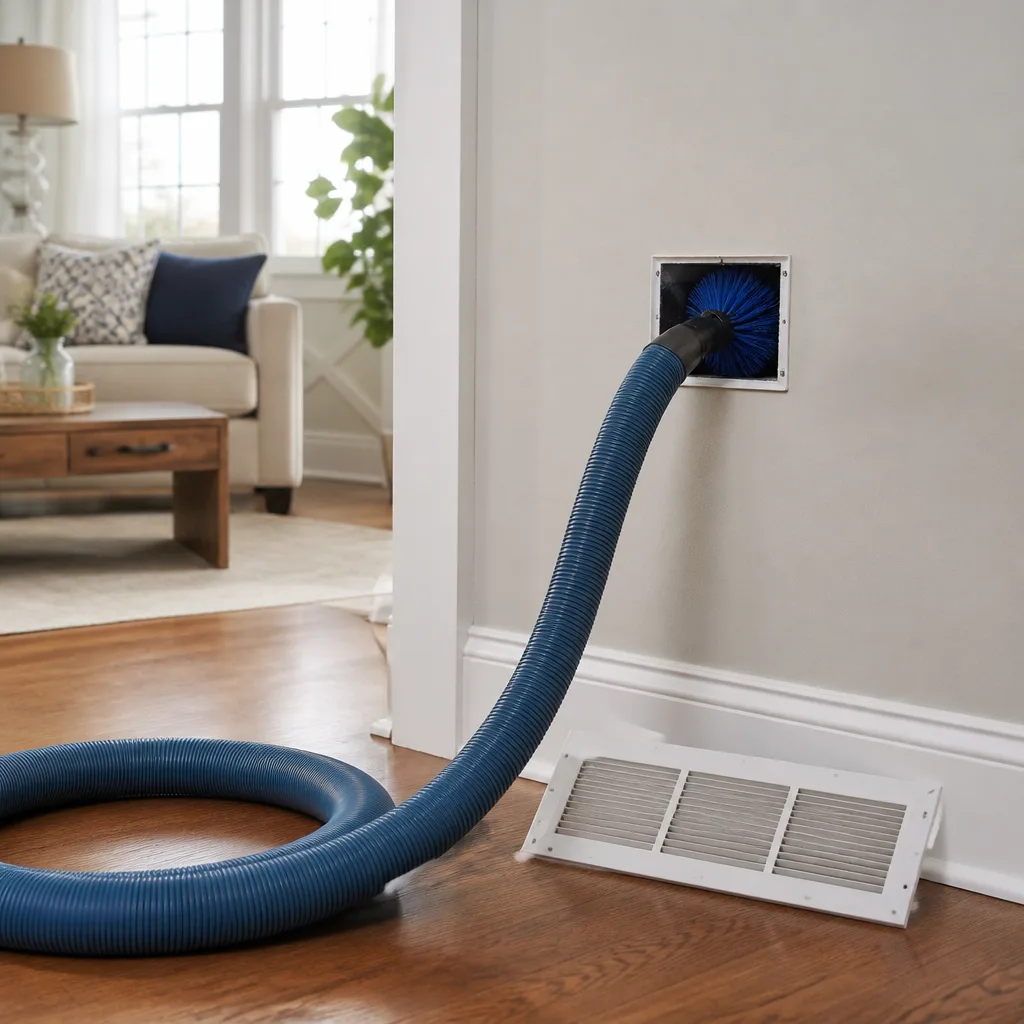
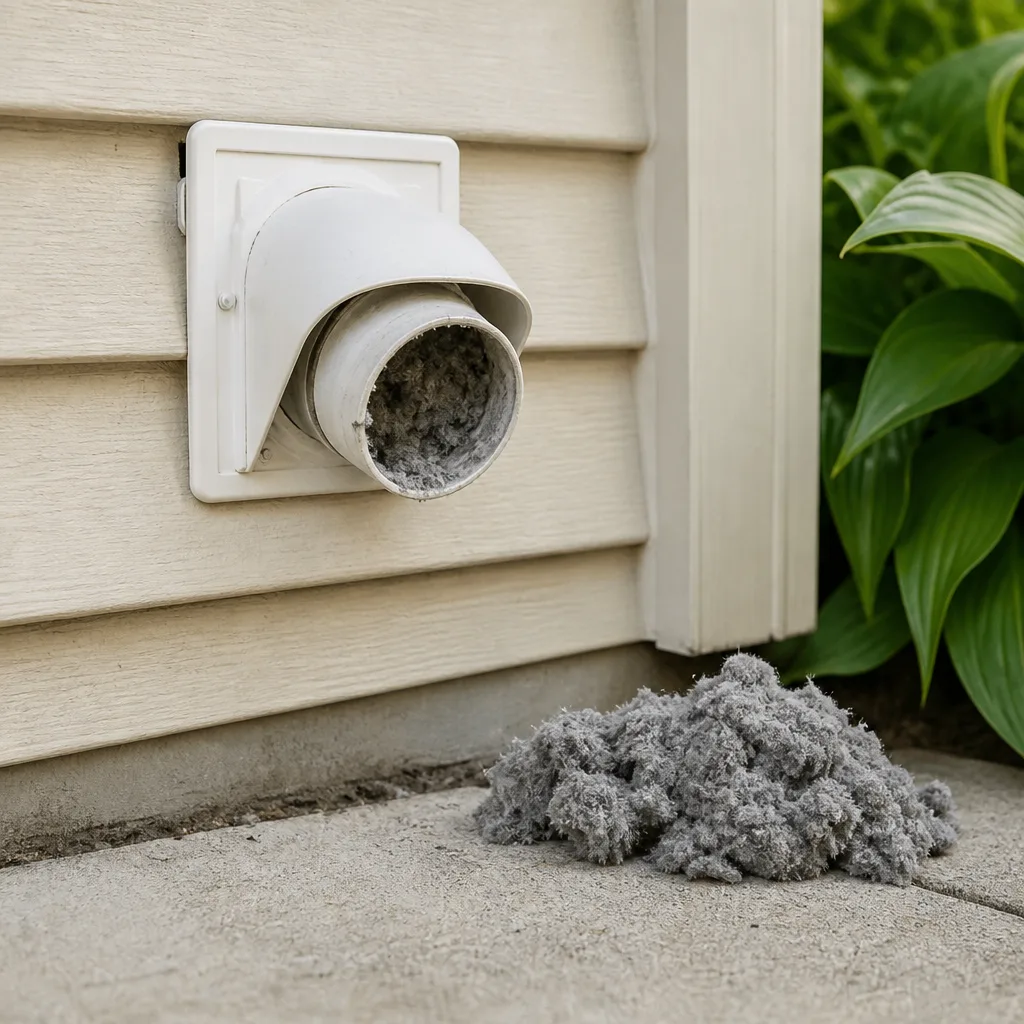
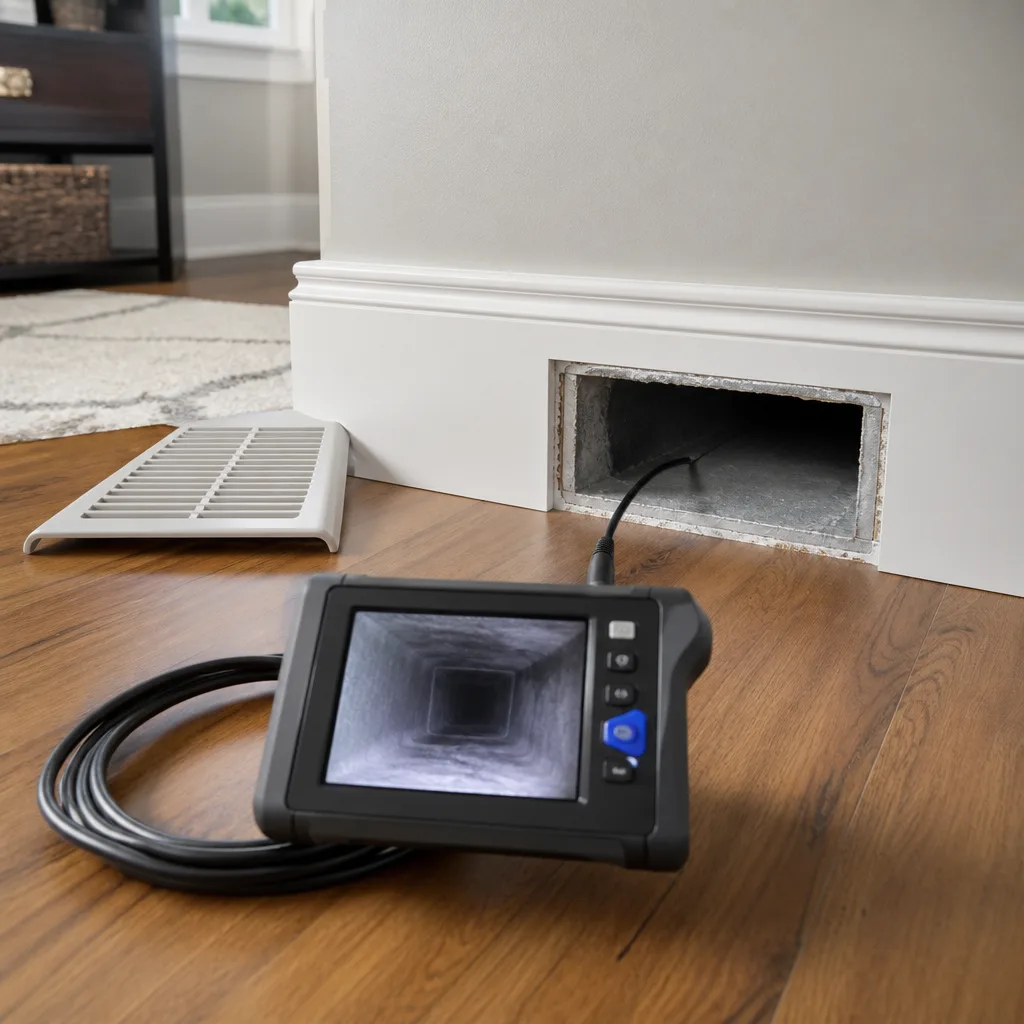
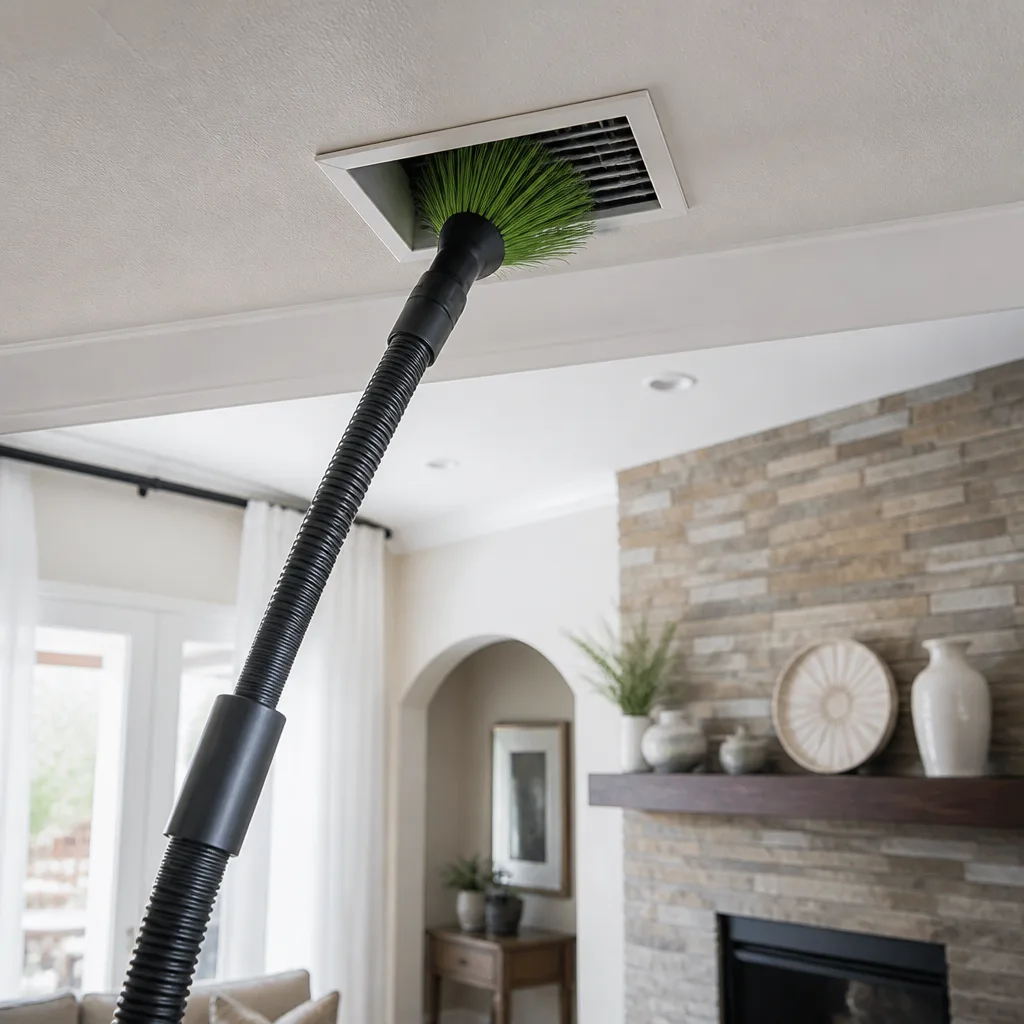
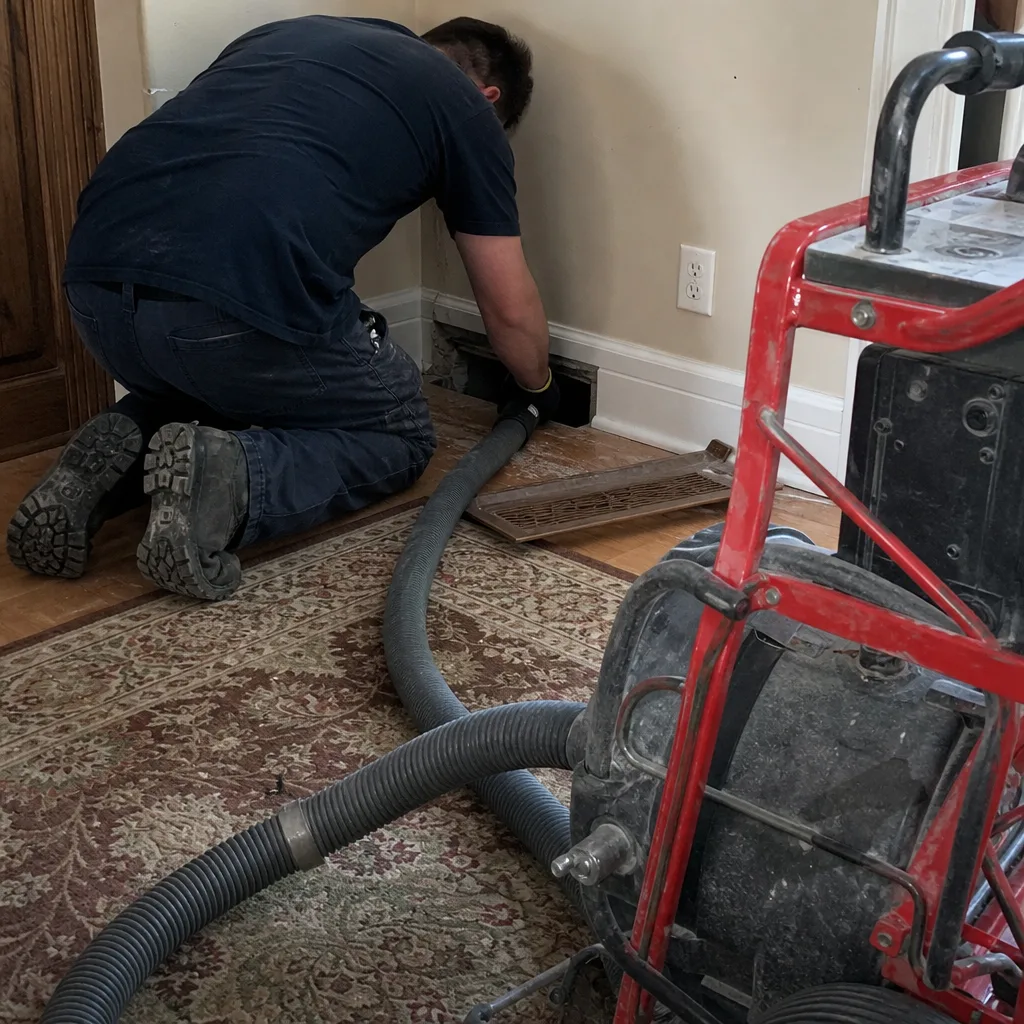 Before
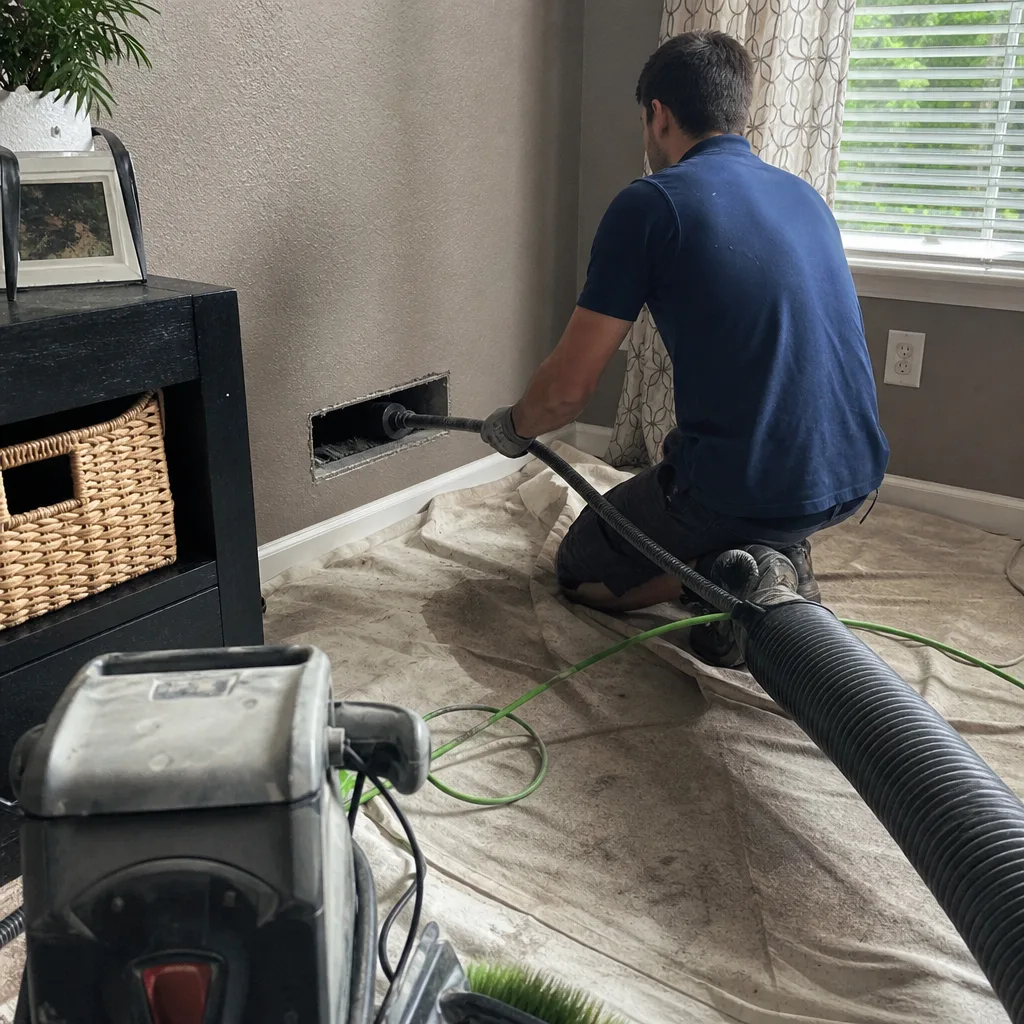 After
After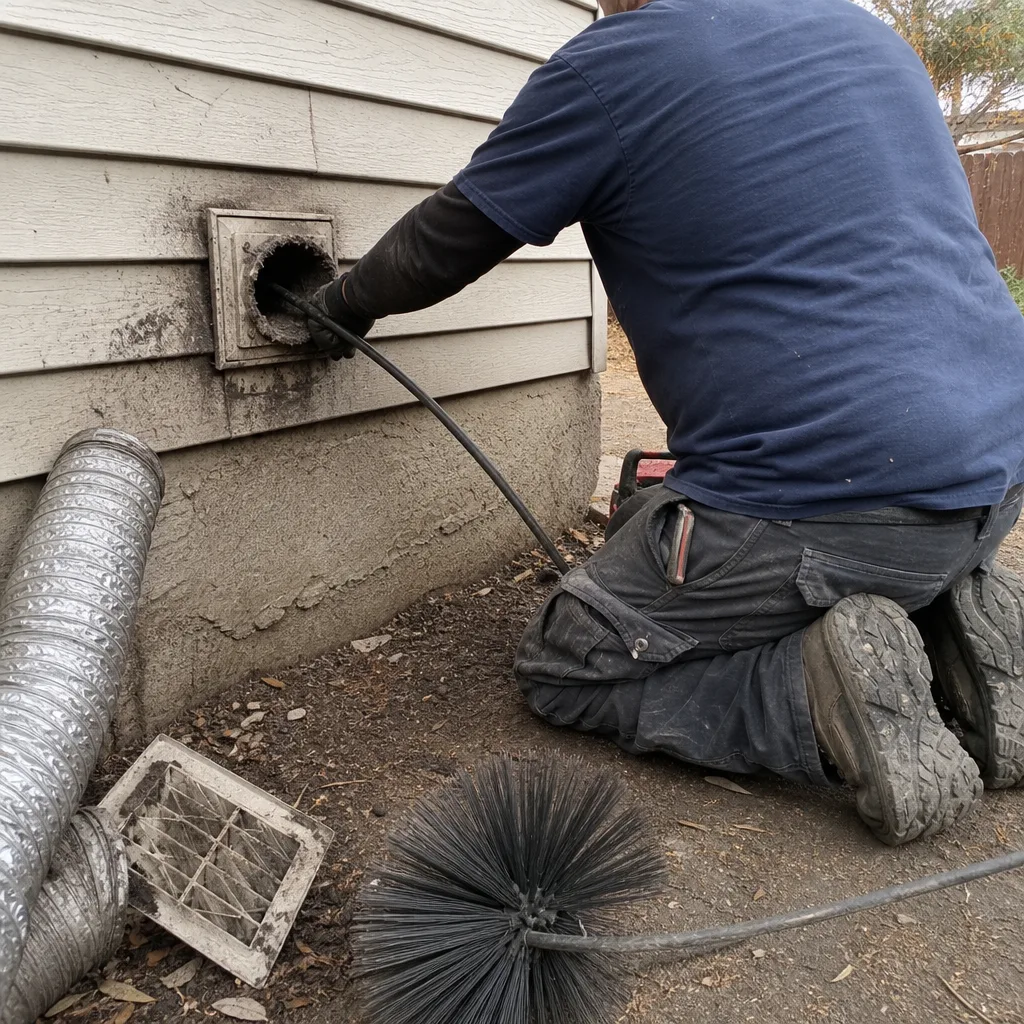 Before
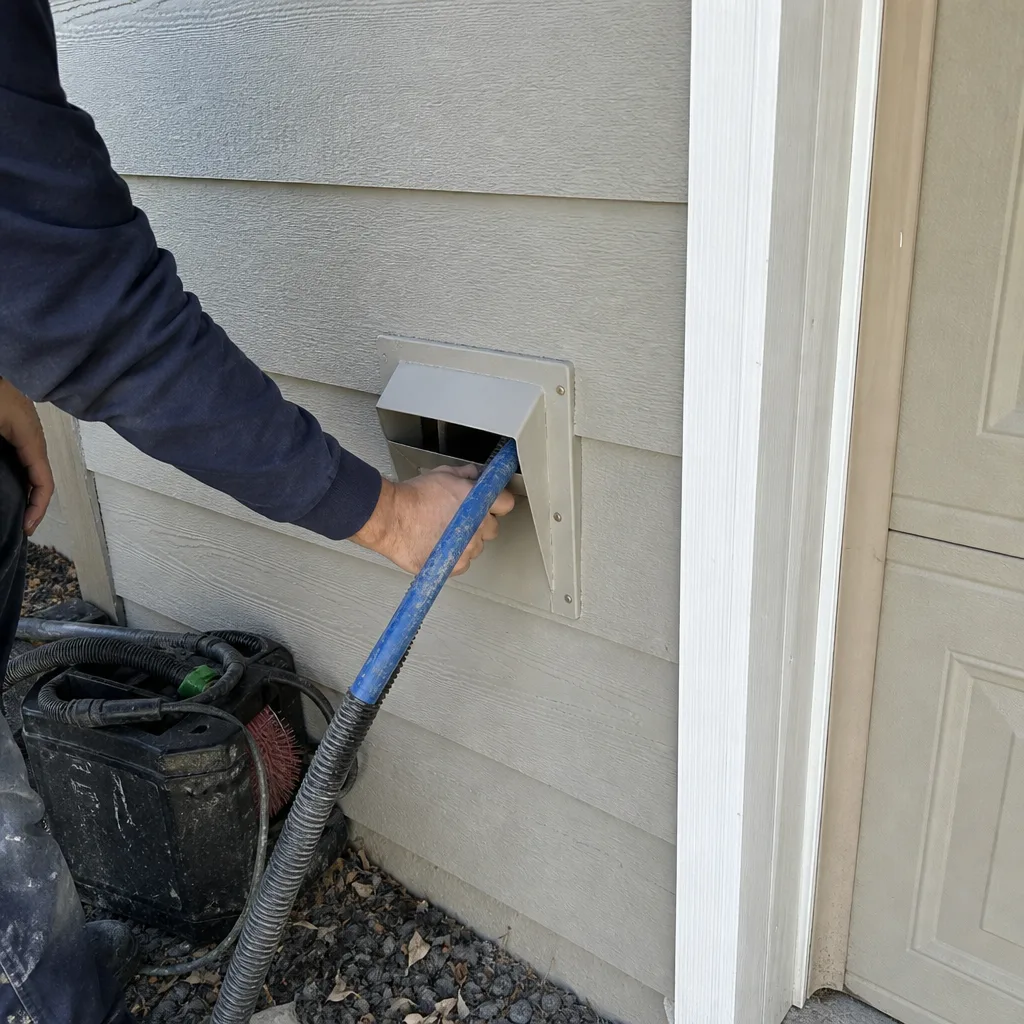 After
After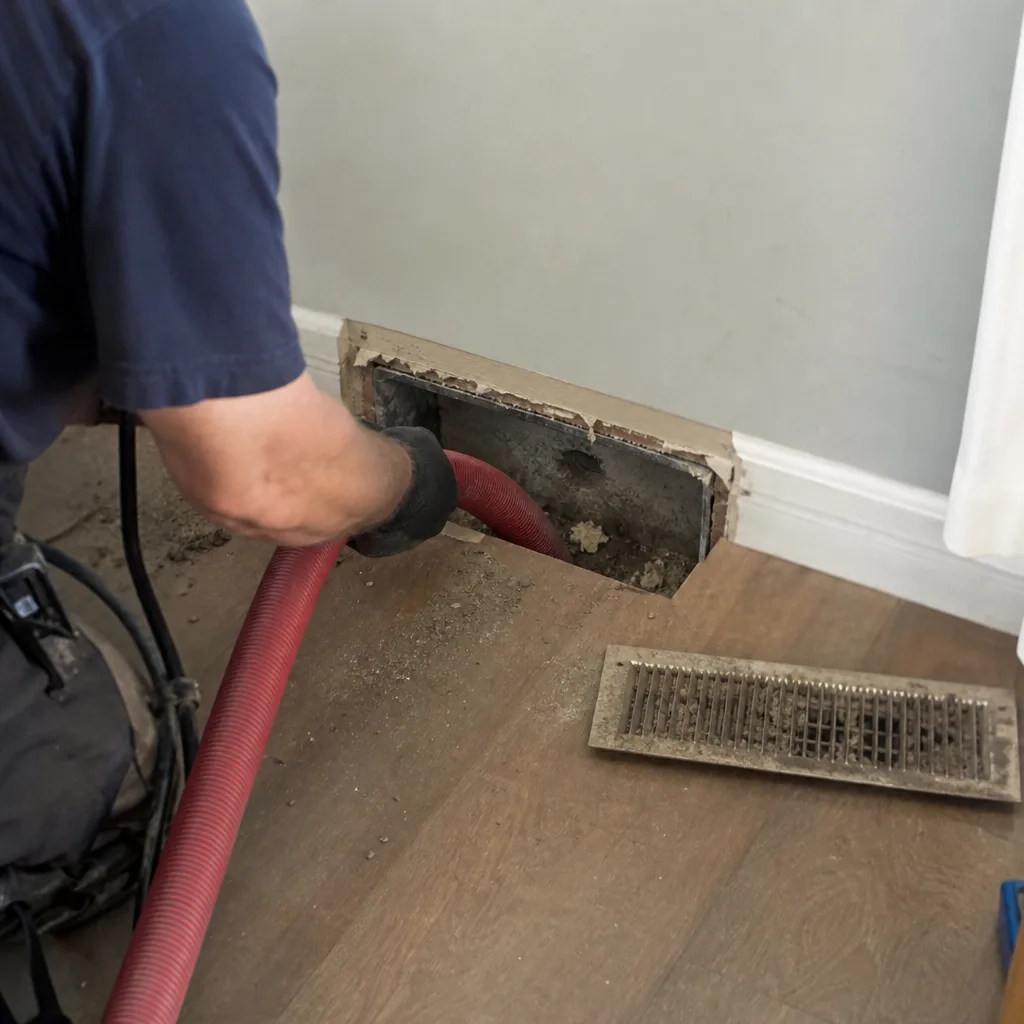 Before
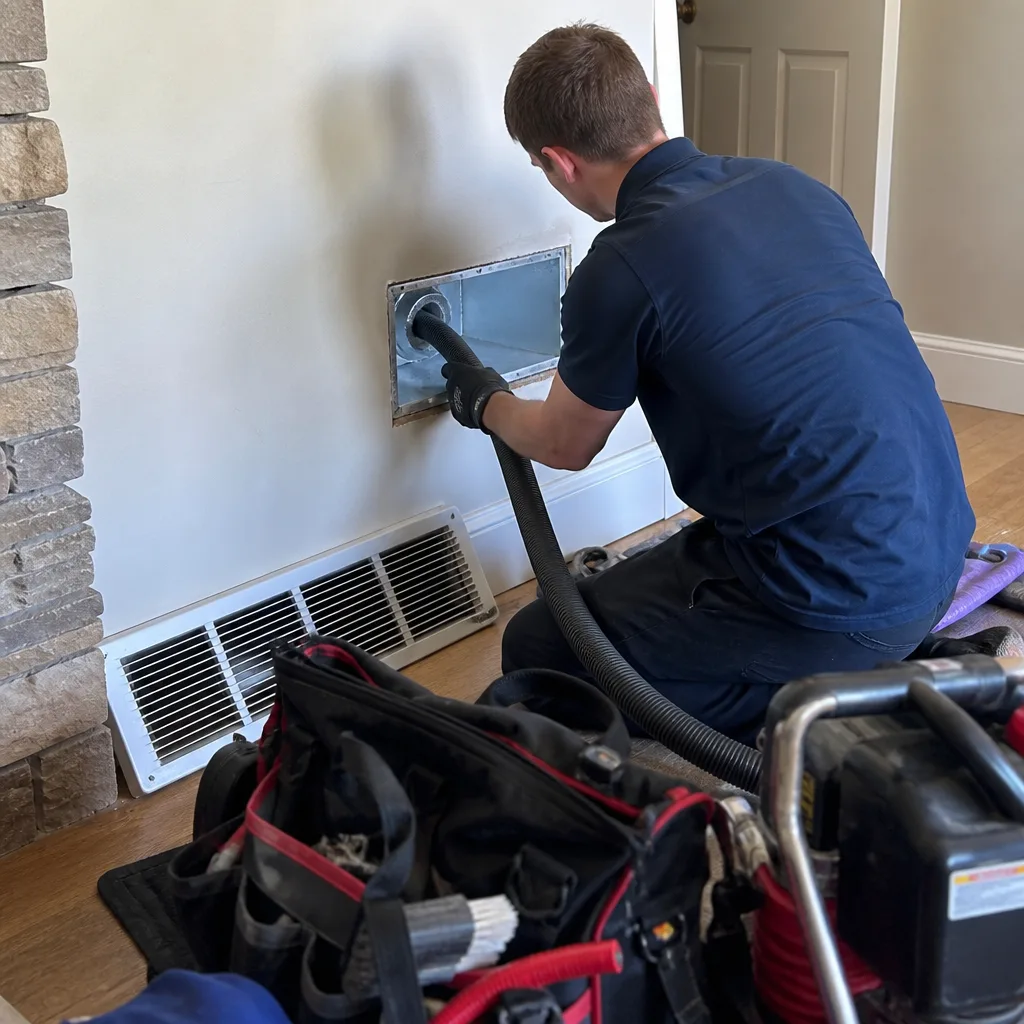 After
AfterNikro Coil Cleaning: The Littleton Owner’s Guide
We stock and install Nikro-compatible coil cleaning components for residential HVAC systems in Littleton, with typical installed pricing between $340 and $620 depending on coil accessibility and contamination level. Most calls we take in Littleton are scheduled within two business days, and we carry common Nikro replacement heads, wands, and chemical application hardware on our trucks. Homeowners usually discover a problem when their energy bill jumps without explanation, or when they notice weak airflow from registers despite a running blower - both signs that the evaporator or condenser coil is choked with debris the standard filter never caught.
Which Nikro Models This Applies To
Nikro builds coil cleaning equipment across several product lines, and matching the right component matters more than most owners expect. The SL4000 and SL5000 series portable coil cleaners use a proprietary quick-connect wand system with a 1.5-inch diameter collar that does not interchange with the older SL2000 threaded fittings. If your Nikro unit has a yellow trigger housing and a black braided hose with brass ferrules, you’ve got the SL4000/5000 generation. The LCV230 and LCV240 truck-mounted units use a different pressure-rated fitting entirely - 3,000 PSI versus 1,500 PSI on the portables - and swapping hardware between them will blow an O-ring or crack a wand head within the first minute of operation.
We source both OEM Nikro parts and quality aftermarket equivalents from Guardsman and Abatement Technologies. For the SL4000/5000 wands, the OEM Nikro head runs roughly 40% more than the Guardsman equivalent, but the thread pitch and spray-angle geometry are identical. The one place we don’t substitute is the LCV230/240 high-pressure swivel - that component sees 2,000+ PSI cycling daily, and the Nikro factory spec on the bearing seal is worth the premium. Check your model plate: it’s stamped on the right side of the pump housing, not the frame rail where most people look first.
Signs Your Nikro Coil Cleaning Is Failing
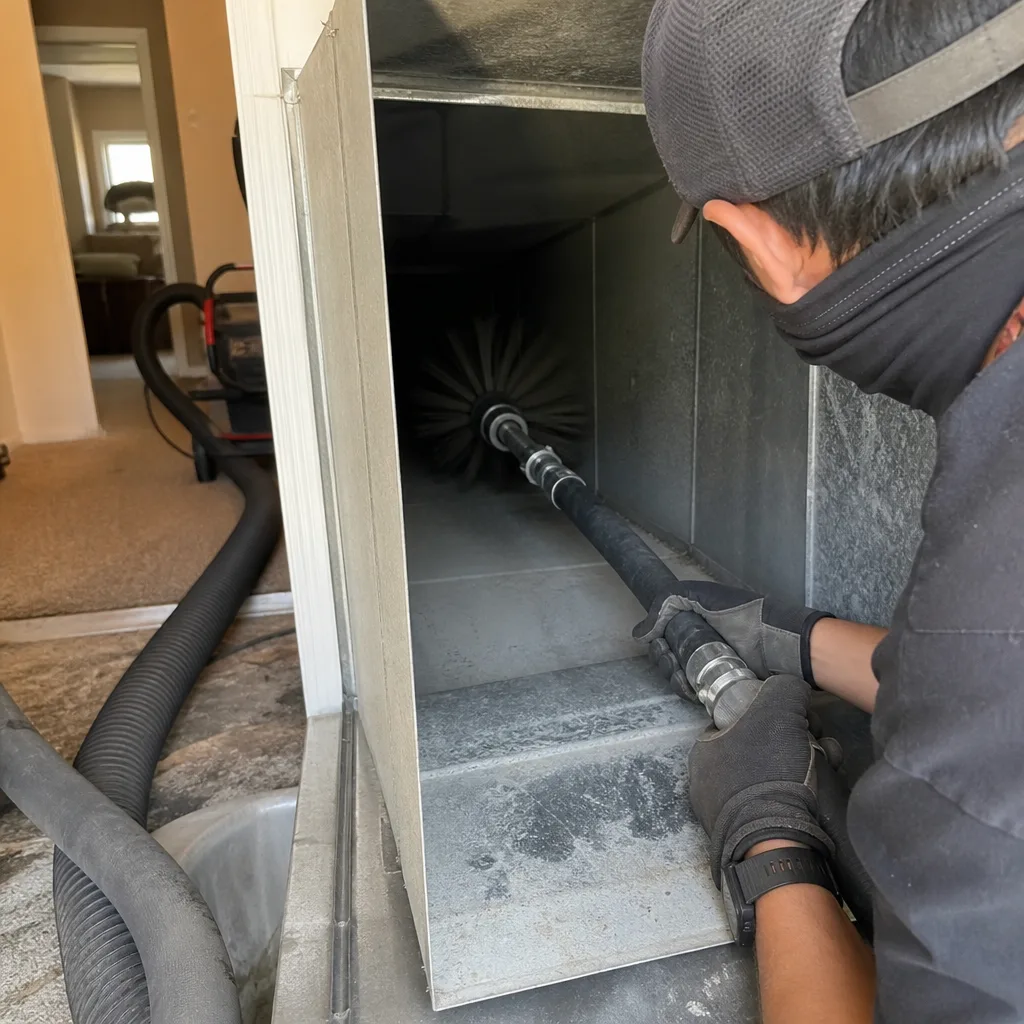
- Uneven spray pattern or pressure drop at the wand. The ceramic orifice in the spray head erodes from chemical exposure and hard water minerals - common in Littleton, where the municipal supply runs 6-8 grains per gallon. Once the orifice goes oval, you get a fan pattern instead of a pin-point jet, which means you’re rinsing the coil face instead of blasting between the fins.
- Chemical foamer not drawing concentrate. The venturi injector downstream of the pump relies on a precision-machined nozzle and a check ball that seats against a brass insert. After roughly 200 foam cycles, that ball develops a flat spot and siphons air instead of chemical. The pump sounds fine, but the output is thin, watery, and ineffective on baked-on grease.
- Hose swelling or weeping at the couplings. Nikro’s black braided hose is rated for the stated pressure, but only at temperatures below 120°F. If you’ve been running hot water through it to cut heavy grease, the inner liner delaminates and creates a bubble that bursts without warning. We see this most often on LCV230 units where the operator cranks the water heater to compensate for a weak foamer.
- Wand head threads galled or cross-threaded. The aluminum wand body and brass fitting dissimilar metals galvanically corrode when exposed to alkaline cleaners. Once the threads strip, you’re either helicoiling the wand (not worth it) or replacing the whole assembly. We stock the complete wand on our truck because this failure mode is predictable after about three years of commercial use.
- Pump cavitation or erratic pressure. The Nikro SL-series uses a triplex plunger pump with ceramic-coated pistons. If the inlet strainer is cracked - they get stepped on in van beds - debris scores the ceramic and the pump chatters at low RPM. Left alone, it destroys the crankcase seal and turns a $45 strainer into a $380 pump rebuild.
BeforeAfterReplacement Cost & What’s Included
For Littleton homeowners with Nikro equipment, here’s how our pricing breaks down under Haven Standard Clause 1:
| Component | Part Range | Labor | Total Installed |
|---|---|---|---|
| Spray head / orifice (SL4000/5000) | $45 - $78 | $85 | $130 - $163 |
| Complete wand assembly | $120 - $195 | $110 | $230 - $305 |
| Venturi foamer injector | $65 - $140 | $95 | $160 - $235 |
| High-pressure hose (25 ft) | $85 - $160 | $75 | $160 - $235 |
| Full coil cleaning service (system) | $180 - $340 | $160 - $280 | $340 - $620 |
The wide range on the full service reflects coil location - attic evaporators in Littleton’s older Columbine Knolls homes often require plywood decking removal and confined-space entry, while basement mechanical rooms are straightforward. Every job gets a written price before we touch a tool, and the 365-Day Done Right Promise covers both parts and labor. We photograph the coil condition before and after, and that photo record is yours to keep.
DIY or Call Us?
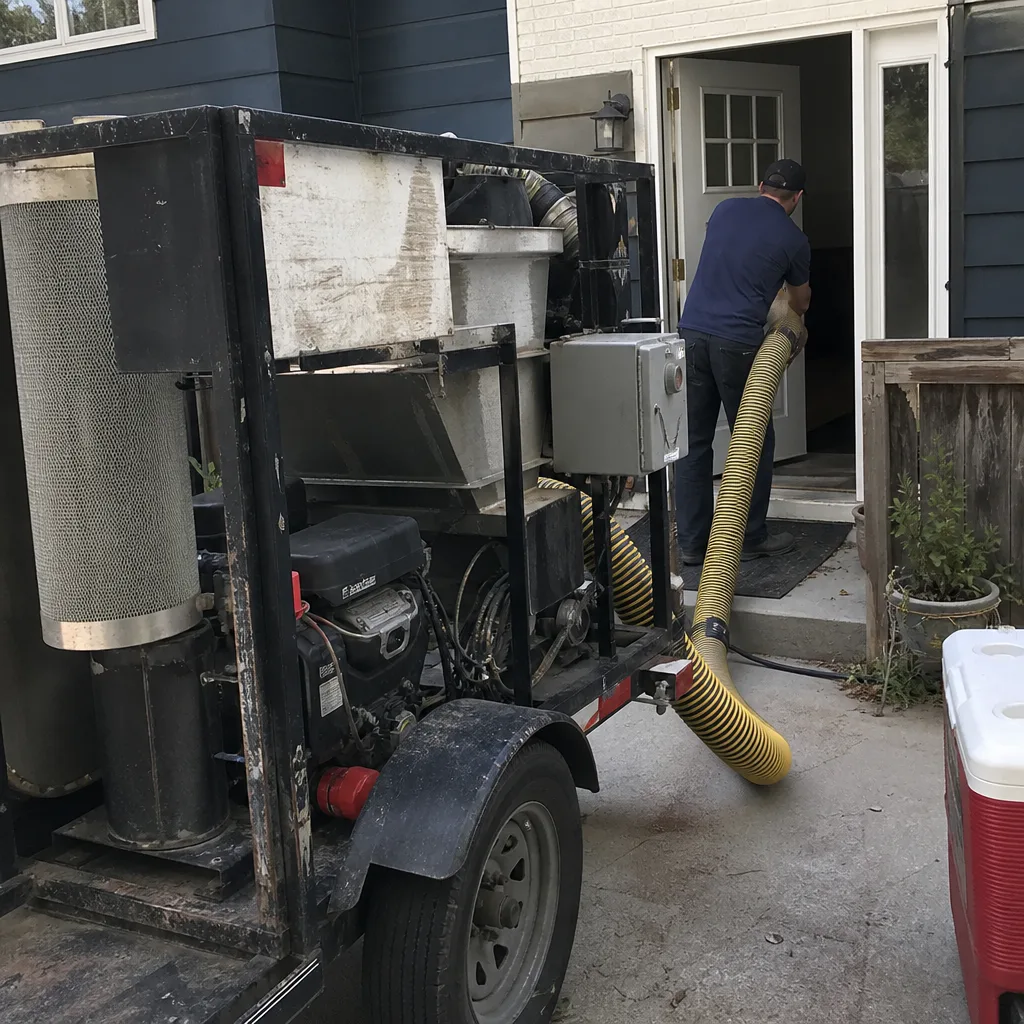
There’s a safe middle ground here, and then there’s the line where it gets expensive. An owner can check the model plate, inspect the hose for bubbles or weeping, and verify that the water supply strainer is clean - all of that is sensible maintenance. What we don’t recommend is disassembling the triplex pump, attempting to reseat a scored ceramic piston, or forcing a cross-threaded wand fitting with a pipe wrench. The pump operates at pressures that will inject water through skin, and a slipped wrench on a pressurized hose can crack a coil fin bundle that costs $1,200 to replace.
If your Nikro unit is under warranty, DIY disassembly voides it. If it’s out of warranty, the parts are still available but the tolerances are tight - we’ve had Littleton homeowners bring us pumps they reassembled with standard thread sealant instead of Nikro’s specified PTFE paste, which hardened and seized the plunger within a week. The camera doesn’t negotiate - it just shows what’s there. We’ll pull it, show you the exact failure, and quote the fix in writing. Call (720) 315-7291.
FAQs
With Littleton’s hard water and the freeze-thaw cycling that garage-stored equipment sees from October through April, expect 18 to 30 months of residential use before the orifice degrades noticeably. Commercial operators running weekly should inspect quarterly and replace annually. Call (720) 315-7291 and we’ll check yours at no charge during any service call.
The venturi injector body can sometimes be cleaned with a proper descaling agent, but the check ball and seat are wear items - once the ball flats or the seat crazes, replacement is the only fix that restores draw rate. We stock the full injector assembly because partial repairs fail within weeks. Call (720) 315-7291 for an exact quote - estimates are free.
A spray head or wand change takes 20 to 40 minutes if the fittings cooperate. A full foamer injector replacement runs 45 to 90 minutes because we pressure-test the draw rate afterward and verify chemical ratio. Full system coil cleaning with a Nikro unit is typically a half-day job. Call (720) 315-7291 to schedule.
We carry SL4000/5000 spray heads, wands, hoses, and foamer injectors; LCV230/240 high-pressure swivels and seals; and common O-ring kits. Specialty items or obsolete SL2000 hardware we order direct and typically have within 48 hours. Call (720) 315-7291 with your model number - we’ll confirm stock before we roll.
CleanRun Duct Repair & Cleaning is independently owned and operated under the Haven Standard, with no affiliation with Nikro Manufacturing. We also stock parts for Lennox, Trane, and Carrier equipment.
Written by Tomas Reyes, Owner, CleanRun Air Duct Cleaning Littleton at CleanRun Air Duct Cleaning Littleton, serving Littleton and nearby areas.