
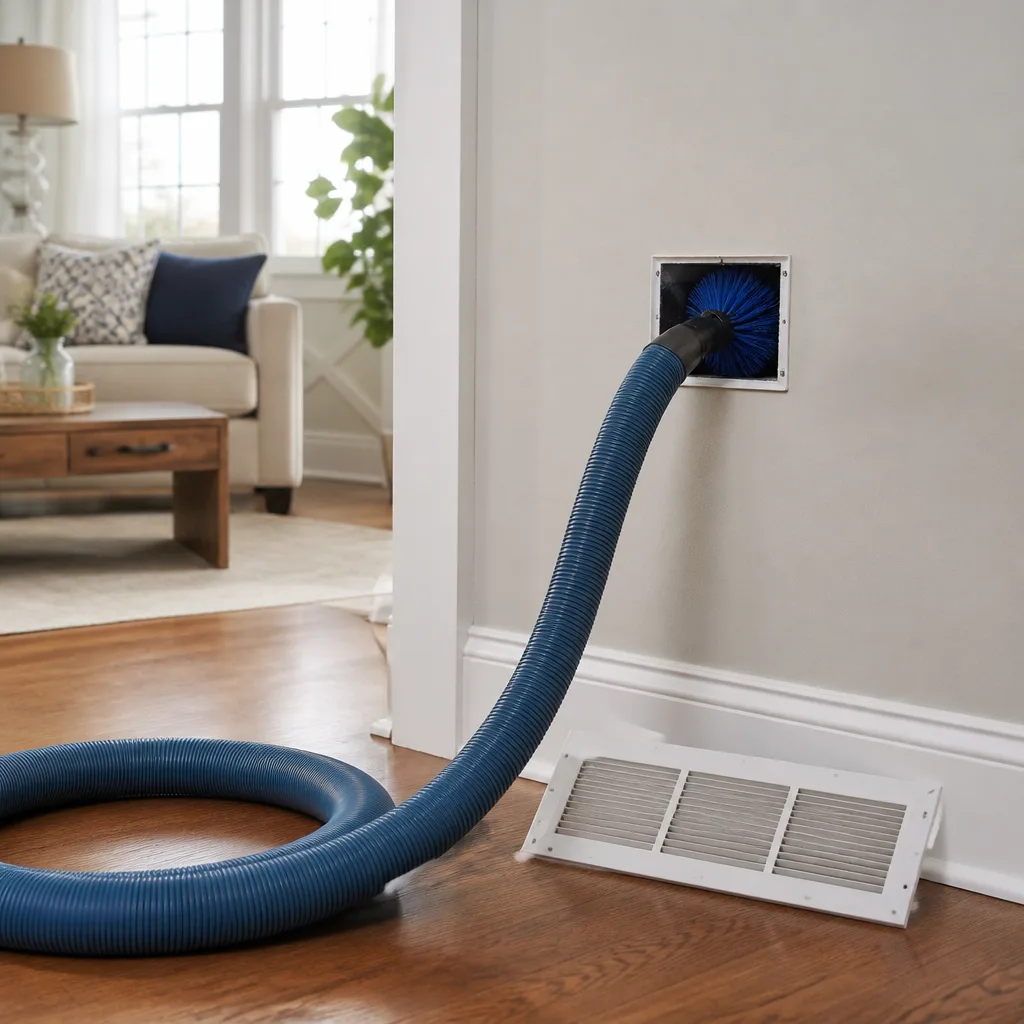
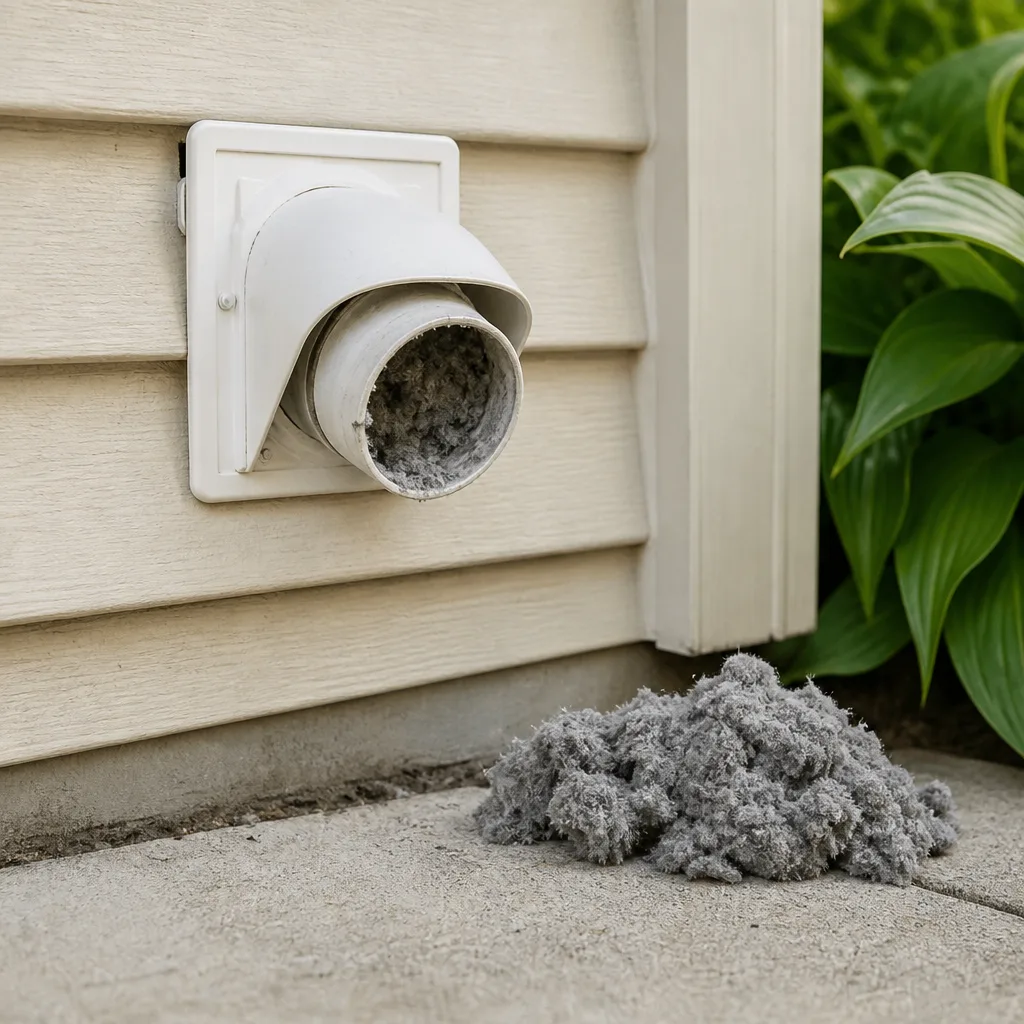
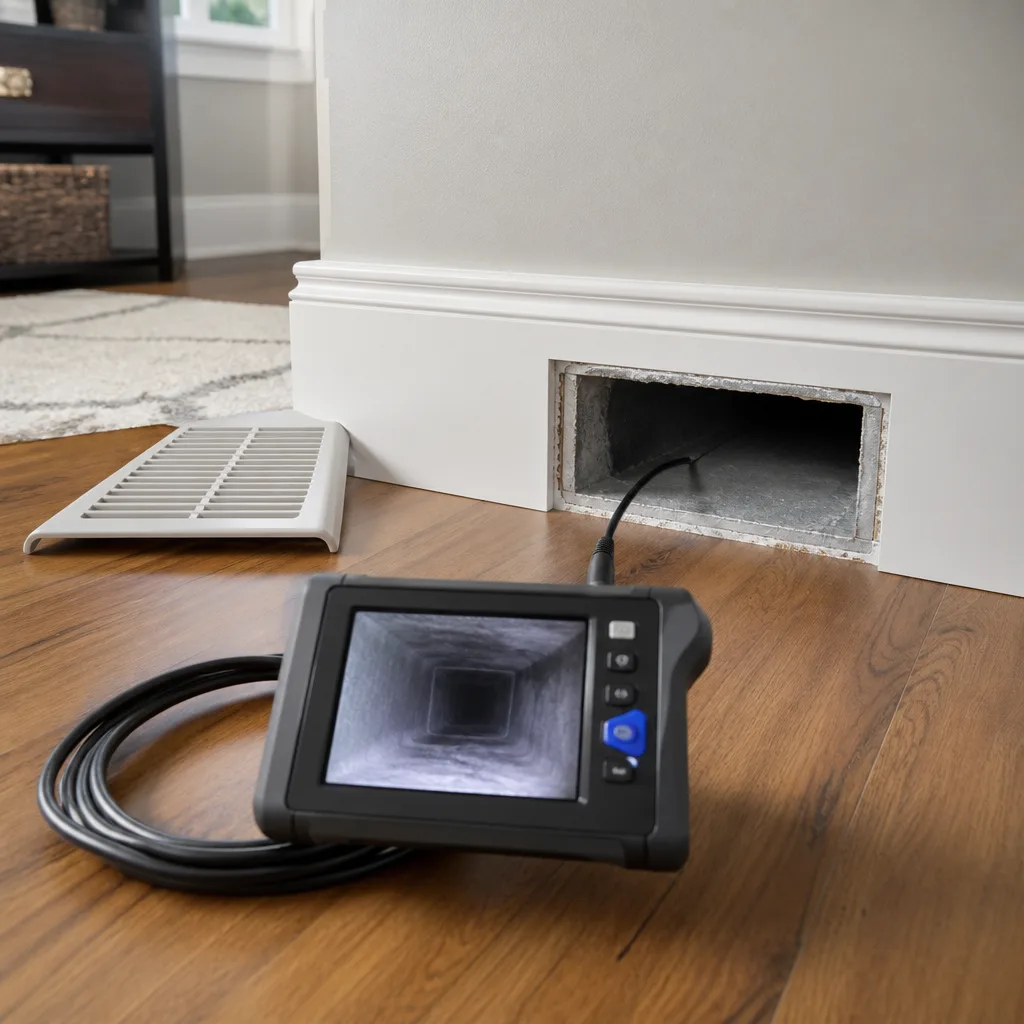
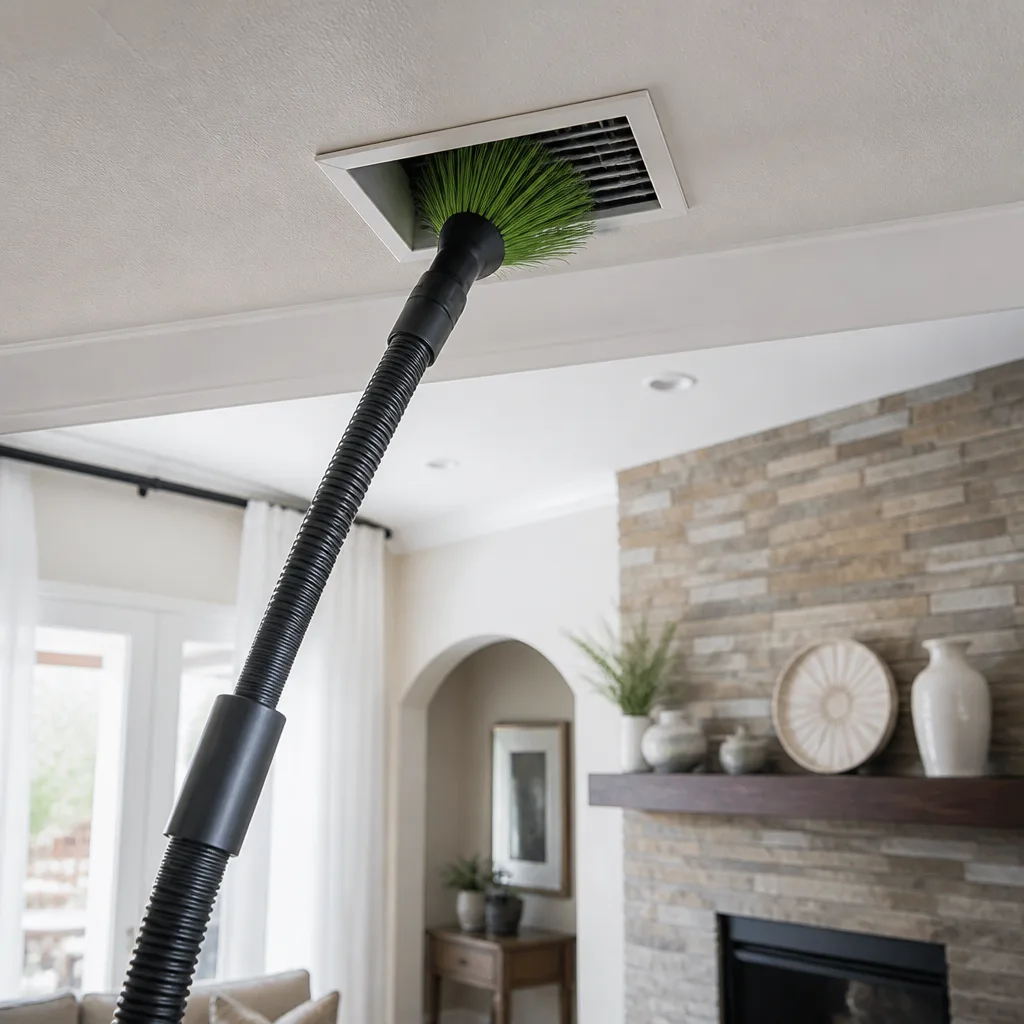
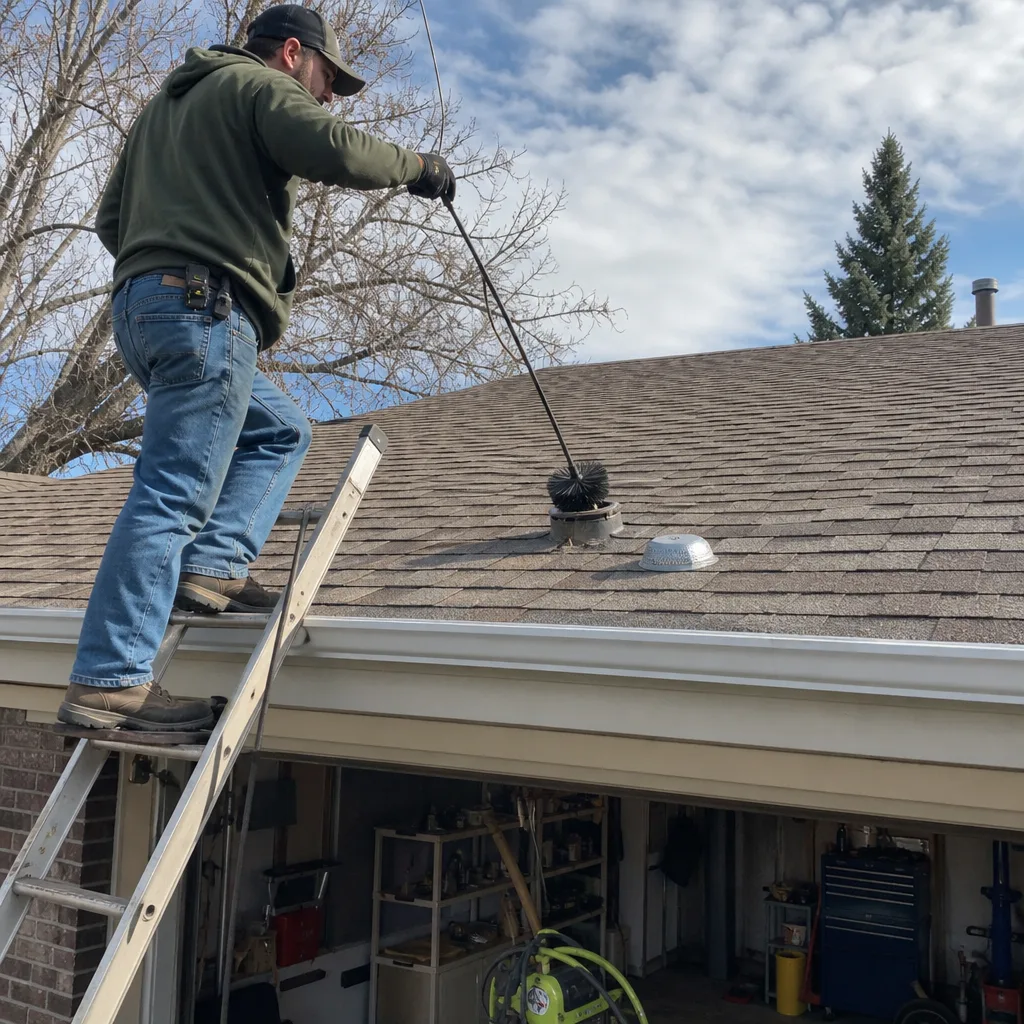
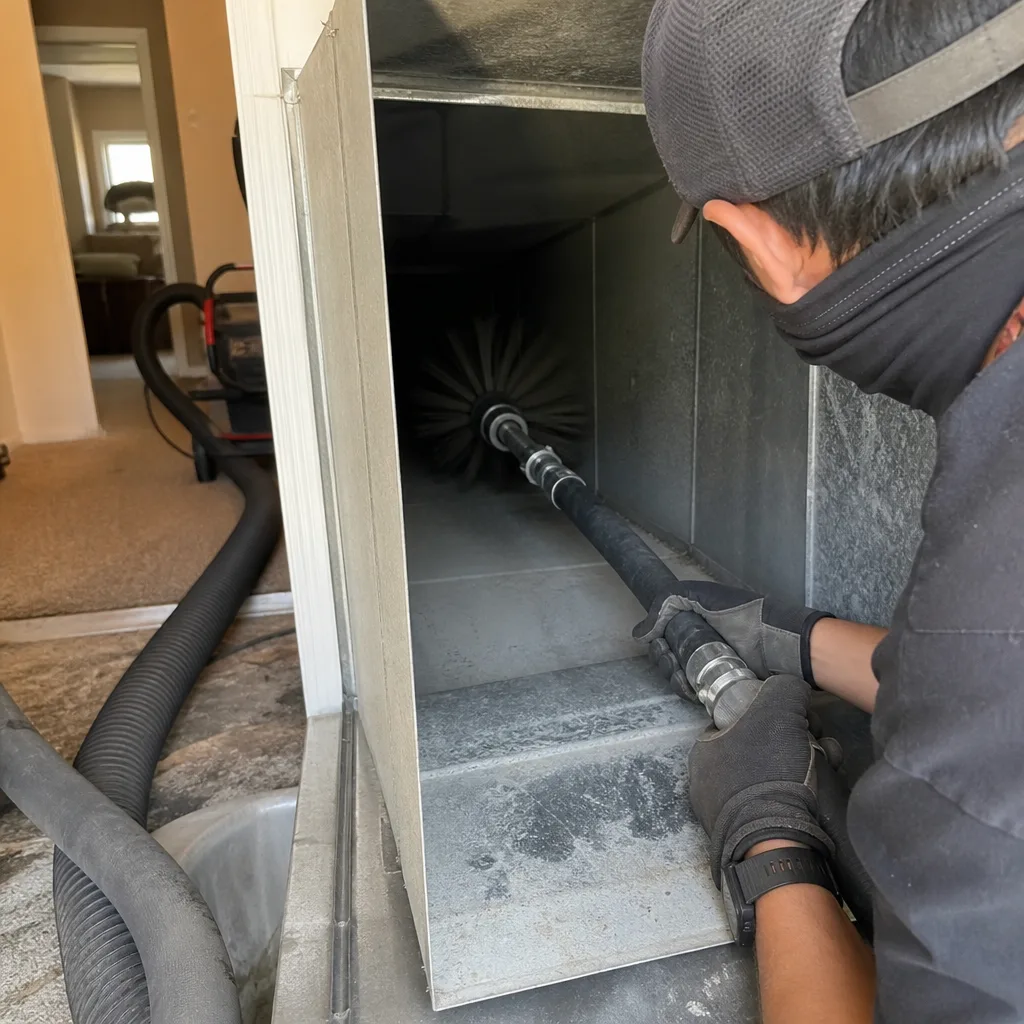
Whole-system duct and dryer vent check with before-and-after photos - you see exactly what came out of your vents
That "$99 whole-house special" is a bait ad - the real number appears once they are in your hallway, or the "clean" is a shop-vac at the register. We photograph the inside of your ducts before and after instead.
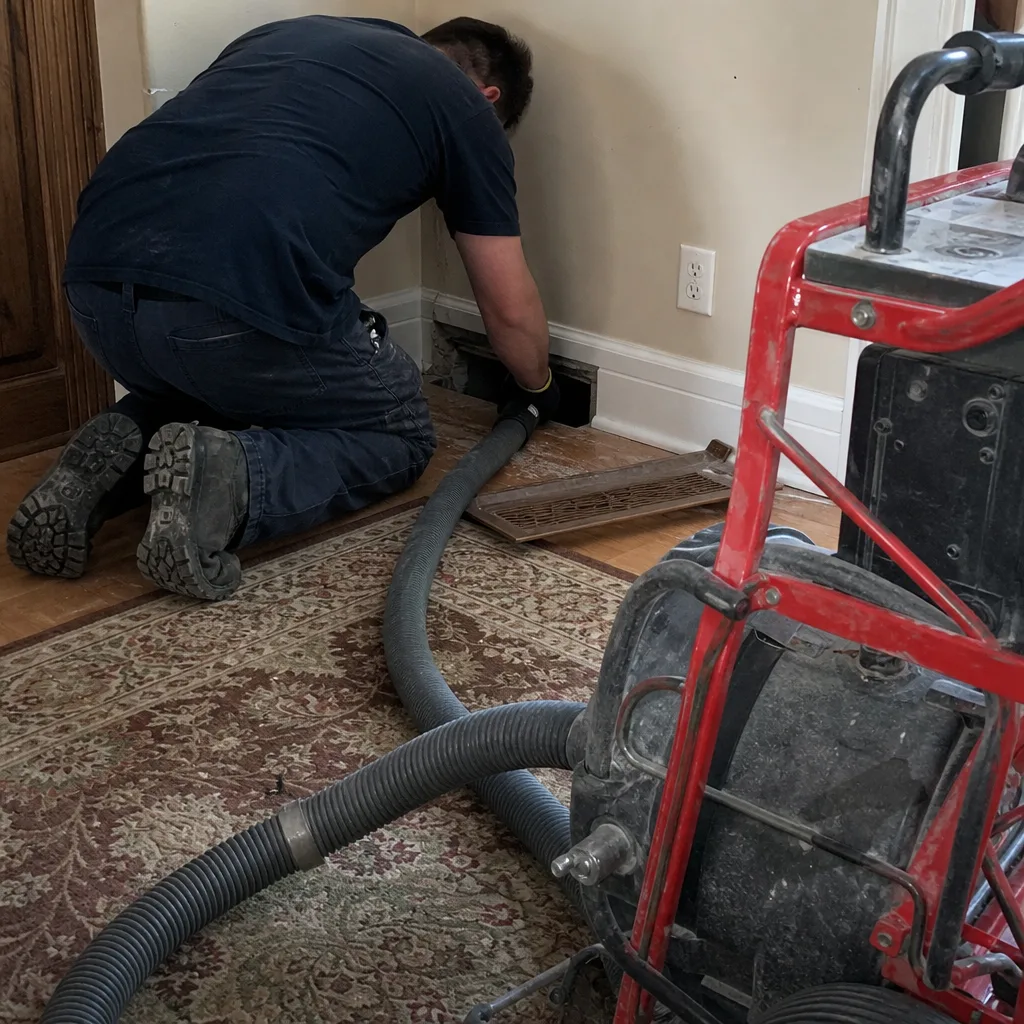 Before
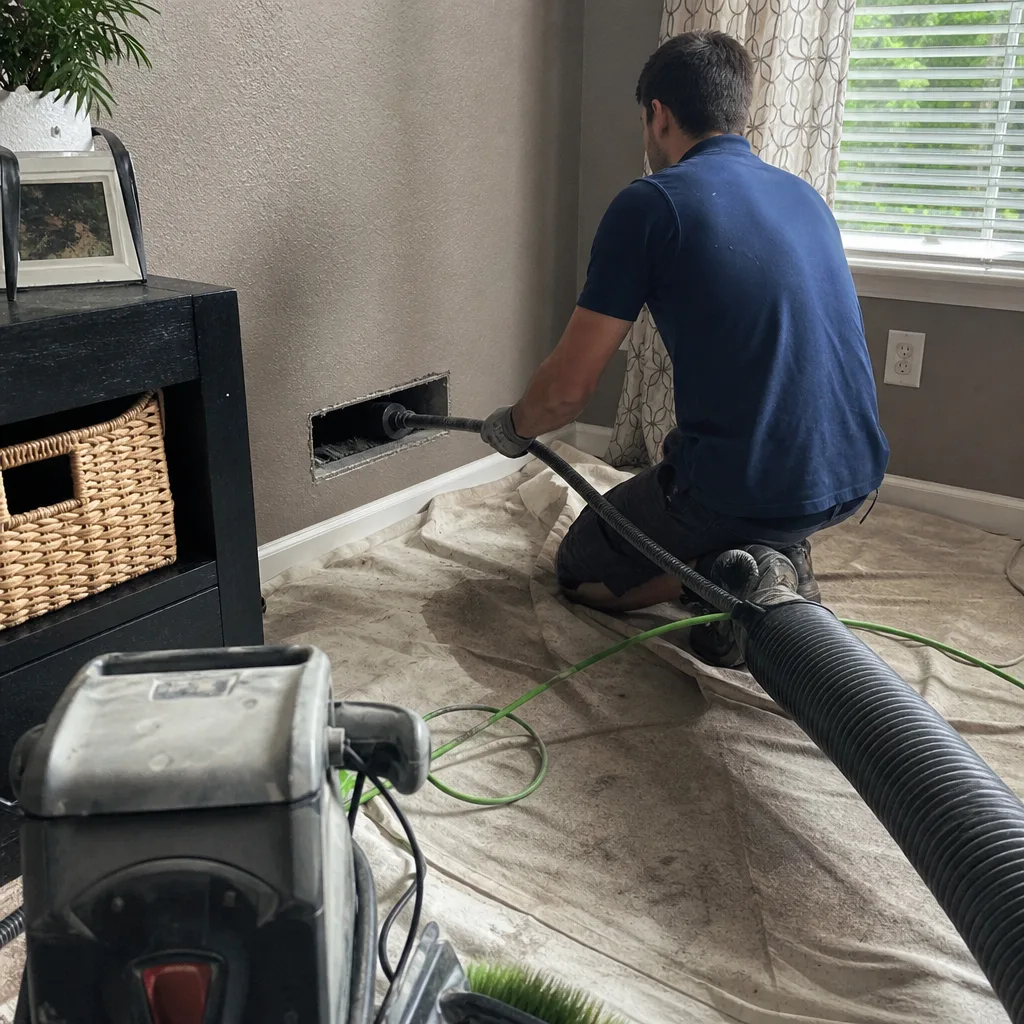 After
After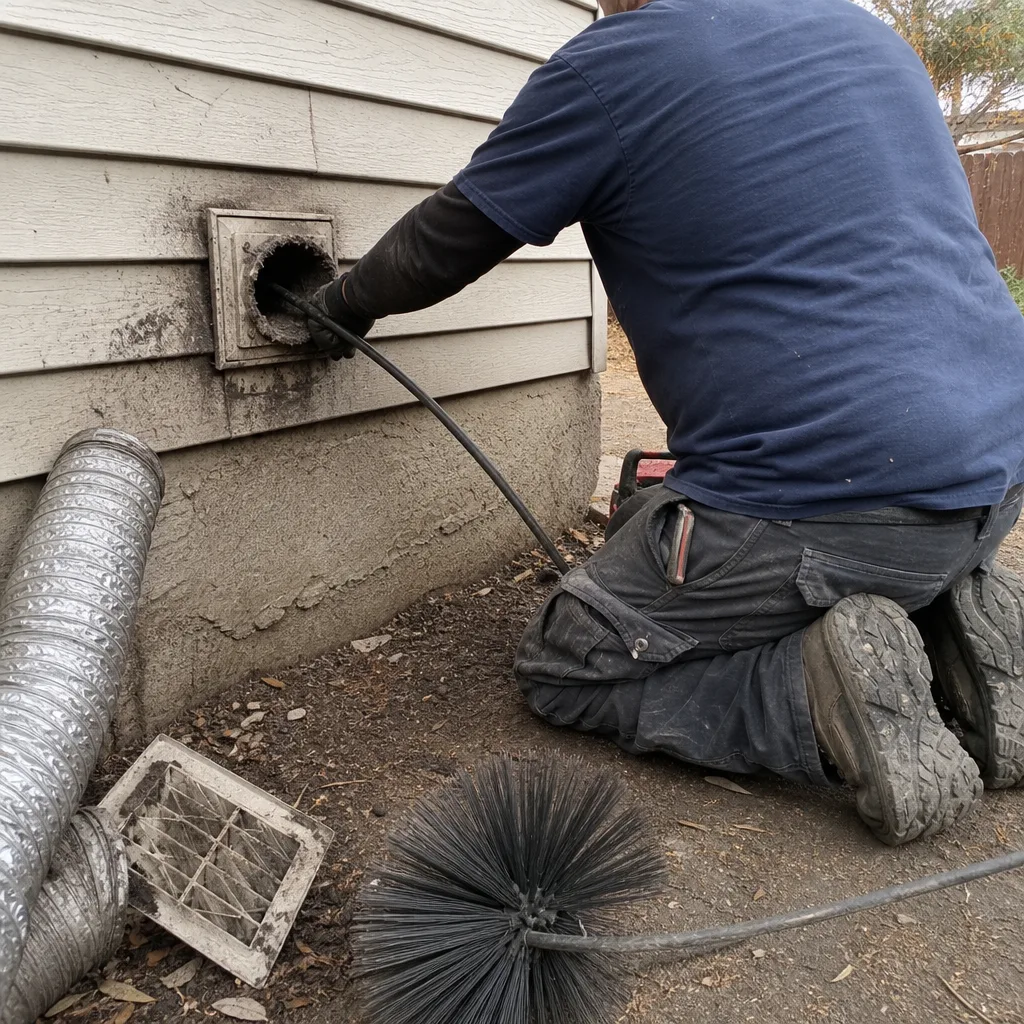 Before
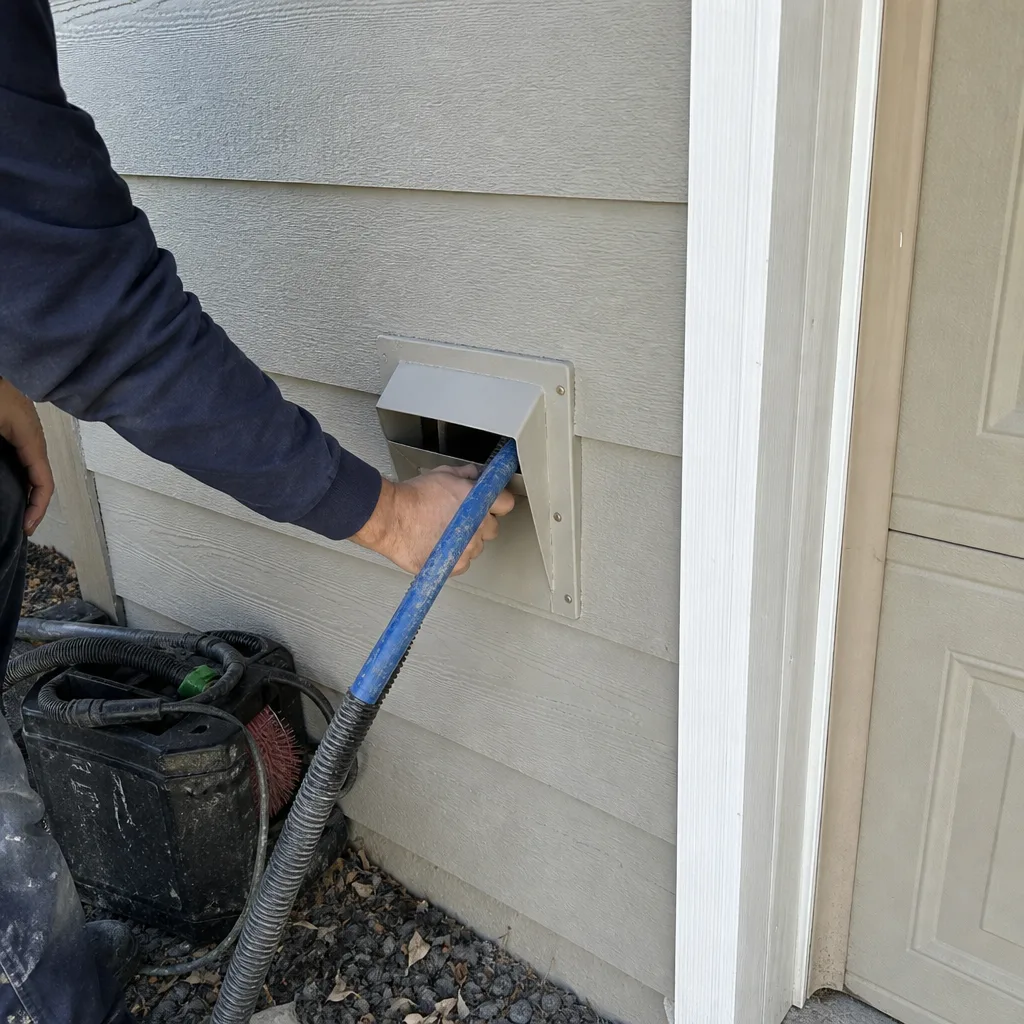 After
After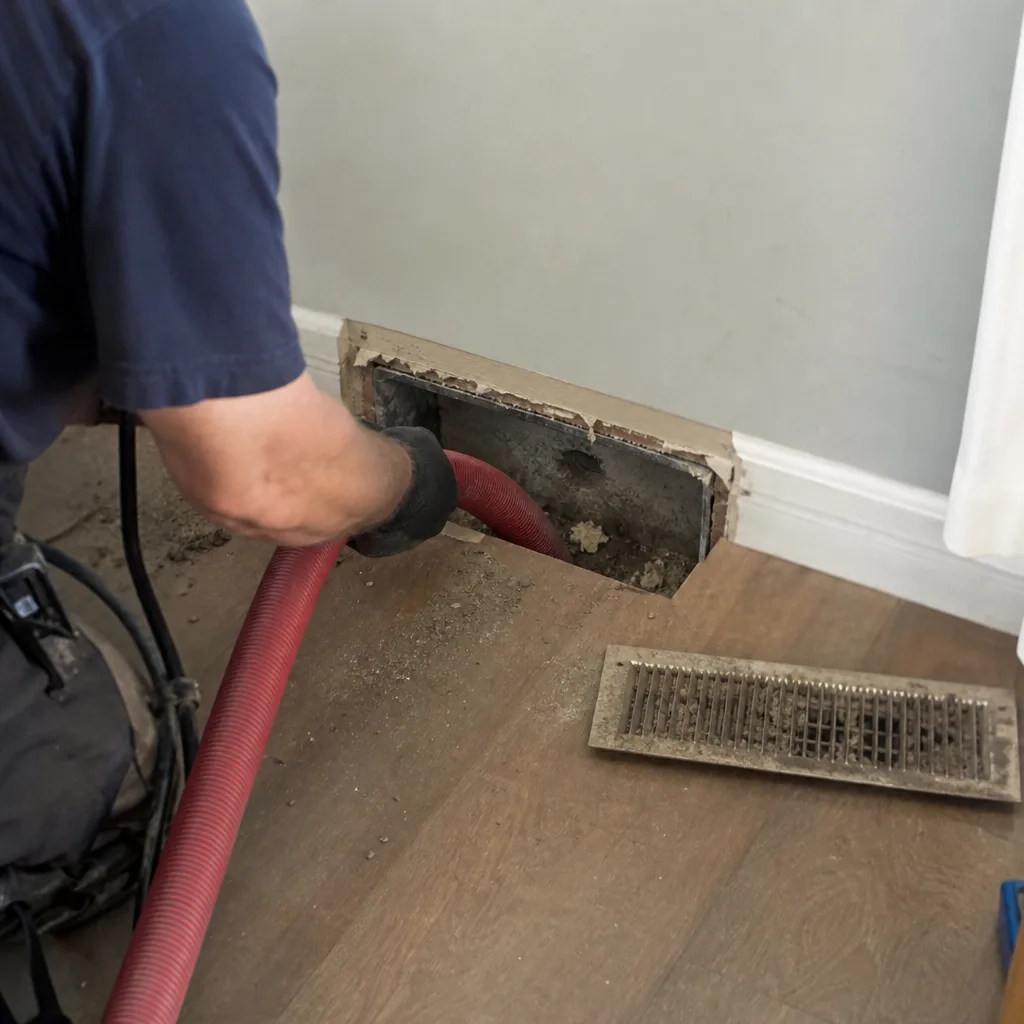 Before
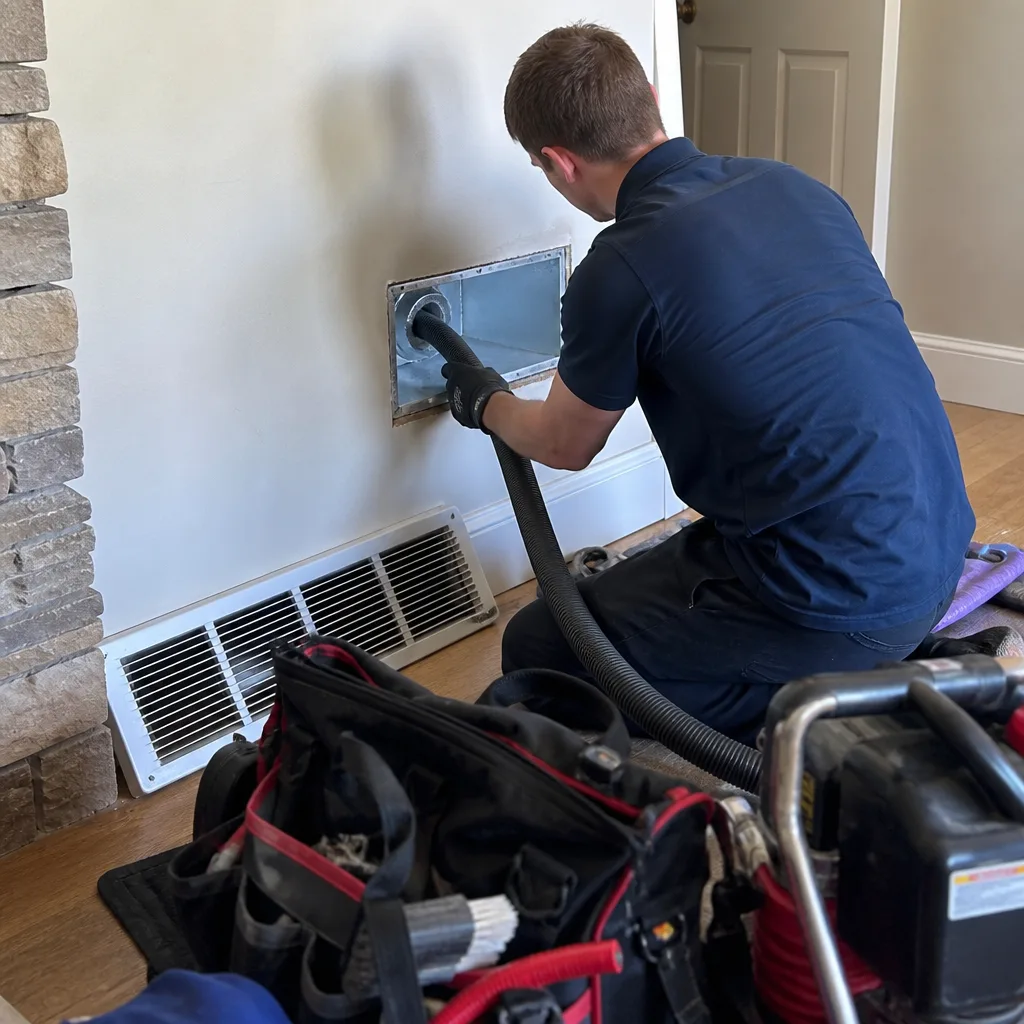 After
AfterHoneywell Vent Sanitizing: The Littleton Owner’s Guide
We stock and install Honeywell-compatible vent sanitizing systems for residential HVAC setups in Littleton, with installed pricing typically running $340-$580 for a whole-system application depending on duct run count and plenum configuration. Most Honeywell UV or ionizing sanitizer swaps we book are completed same visit, including the post-install photo record. Homeowners usually figure out something’s wrong when the musty smell returns a few months after a standard cleaning, or when their Honeywell air purifier add-on stops drawing the rated amperage and the indicator light flickers or goes dark.
Which Honeywell Models This Applies To
Honeywell vent sanitizing breaks into two main categories in residential systems: the UV-C lamp assemblies that mount downstream of the evaporator coil, and the electronic ionizing units that sit in the return plenum. The UV line most common in Littleton homes is the UV100A series, with the UV100A1059 and UV100E3007 showing up frequently in 2016-2022 builds around Columbine Knolls and Ken Caryl Ranch. The ionizing side runs through the F300 and F50 electronic air cleaner lines, though those are technically filtration units with sanitizing elements that degrade separately.
To identify what you’ve got, kill power at the breaker and read the label on the lamp housing or power module. The UV100 series uses a 16-inch lamp in most residential plenums; the 24-inch variant shows up in larger systems above 4 tons. Aftermarket lamps rated for 10,000-hour life exist, but the Honeywell OEM ballast is finicky about lamp impedance. We’ve seen homeowners burn out a replacement in six weeks because the aftermarket lamp didn’t match the ballast’s strike voltage. We stock both OEM Honeywell lamps and a verified aftermarket equivalent that we’ve run on our own test bench - the Abatement Technologies UV-201, which matches strike spec and carries a comparable UV-C output rating at 253.7 nanometers.
CleanRun Air Duct Cleaning Littleton is an independent service provider, not affiliated with Honeywell.
Signs Your Honeywell Vent Sanitizing Is Failing
- The indicator light is out or dim. UV-C lamps dim gradually before they die, and the LED on the power module is calibrated to show effective output, not just continuity. If it’s flickering red or dark, the lamp is below germicidal threshold even if it still glows faintly purple to your eye.
- Musty or sour smell returns within 60 days of duct cleaning. The lamp’s job is biostatic control on the coil and drain pan. When output drops, microbial film reestablishes faster than airflow alone can dry it. In Littleton’s dry climate this still happens because the evaporator runs long enough in summer to keep the pan wet.
- You see white powdery buildup on the lamp sleeve. That’s calcium and mineral deposit from condensate carryover, common in homes with harder well water in the foothills west of downtown Littleton. It blocks UV transmission and etches the quartz over time.
- The ionizing unit arcs or snaps audibly. Electronic cells in the F300 series collect debris between plates; when the gap narrows, you get corona discharge that sounds like static. Left alone, it cracks the ceramic frame or burns the power supply.
- Your HVAC tech notes “biofilm on coil” during routine service. That’s the downstream evidence. The lamp was supposed to prevent it, and if the coil’s growing slime, the sanitizing element failed months ago.
BeforeAfterReplacement Cost & What’s Included
For Littleton homes, a Honeywell UV-C lamp swap runs $180-$290 installed, including the lamp, sleeve inspection, and output verification with a UV-C meter. Full sanitizer assembly replacement - lamp, ballast, and housing - runs $340-$580 depending on whether we’re working in a cramped attic plenum or a basement mechanical room with clear access. The ionizing cell cleaning or replacement sits in the same range, though heavily fouled cells sometimes need the pre-filter and post-filter swapped too, which adds $80-$140 in parts.
Every job starts with a written price under Haven Standard Clause 1, delivered before we touch a panel. The price you sign is the price on the invoice. Work is backed by our 365-Day Done Right Promise, and you get the Documented Photo Record of every duct run and plenum opening - before and after - as a standard deliverable, not an upsell.
DIY or Call Us?
There’s a safe middle ground here. A homeowner can kill power, remove the lamp access panel, and read the part number off the label - that’s useful, and it costs nothing. What we don’t recommend is pulling the lamp live (UV-C at close range will sunburn your cornea in under a minute) or attempting to clean a cracked quartz sleeve with household chemicals. The ballast also holds a lethal charge after disconnect; the capacitor doesn’t bleed fast on all Honeywell models.
Where DIY goes wrong is in the verification step. The lamp looks fine, glows purple, but a UV-C meter shows it’s outputting at 40% of germicidal spec - you’ve spent $80 on a lamp and still have a biostatic failure. The camera doesn’t negotiate - it just shows what’s there. We pull our inspection camera, verify the sleeve condition, meter the output, and give you the photo. If you want to handle the lamp swap yourself after that, we’ll hand you the part number and step back. Most Littleton homeowners just have us finish it while we’re there.
Call (720) 315-7291 for a free estimate. Estimates include the inspection, the meter reading, and the written price - no charge if you decline the work.
FAQs
Rated life is 9,000-12,000 hours of operation, which translates to roughly 12-18 months in a typical residential system that cycles with the blower. In Littleton’s high-elevation sun, the ambient UV load doesn’t affect the lamp; what shortens life is start cycles and sleeve fouling from hard water carryover. We recommend annual inspection, replacement at 18 months regardless of indicator status. Call (720) 315-7291 and we’ll meter yours at no charge.
The lamp itself is always replaced, not repaired - it’s a sealed quartz tube with no serviceable interior. The ballast and housing can sometimes be rebuilt if the failure is a blown fuse or corroded terminal, but in practice, by the time the ballast fails, the lamp is near end-of-life anyway. We quote both paths in writing so you can see the difference. Call (720) 315-7291 for the numbers.
A straightforward lamp replacement in an accessible plenum takes 45-60 minutes, including the pre- and post-install photo record and the UV-C output verification. A full assembly replacement or an ionizing cell swap in a cramped attic runs 90-120 minutes. We don’t charge by the hour; the written price is flat. Call (720) 315-7291 to schedule.
We carry the UV100A-series lamps, the verified Abatement Technologies aftermarket equivalent, and the common ballast modules for both 120V and 240V installs. For the F300 ionizing cells, we stock the standard 16×20 and 20×25 sizes; oddball custom plenums may need a next-day pull from our Denver supplier. We’ll tell you before we drive whether your part is on the van. Call (720) 315-7291 with your model number and we’ll confirm.
Written by Tomas Reyes, Owner, CleanRun Air Duct Cleaning Littleton at CleanRun Air Duct Cleaning Littleton, serving Littleton and nearby areas.