
Whole-system duct and dryer vent check with before-and-after photos - you see exactly what came out of your vents
That "$99 whole-house special" is a bait ad - the real number appears once they are in your hallway, or the "clean" is a shop-vac at the register. We photograph the inside of your ducts before and after instead.
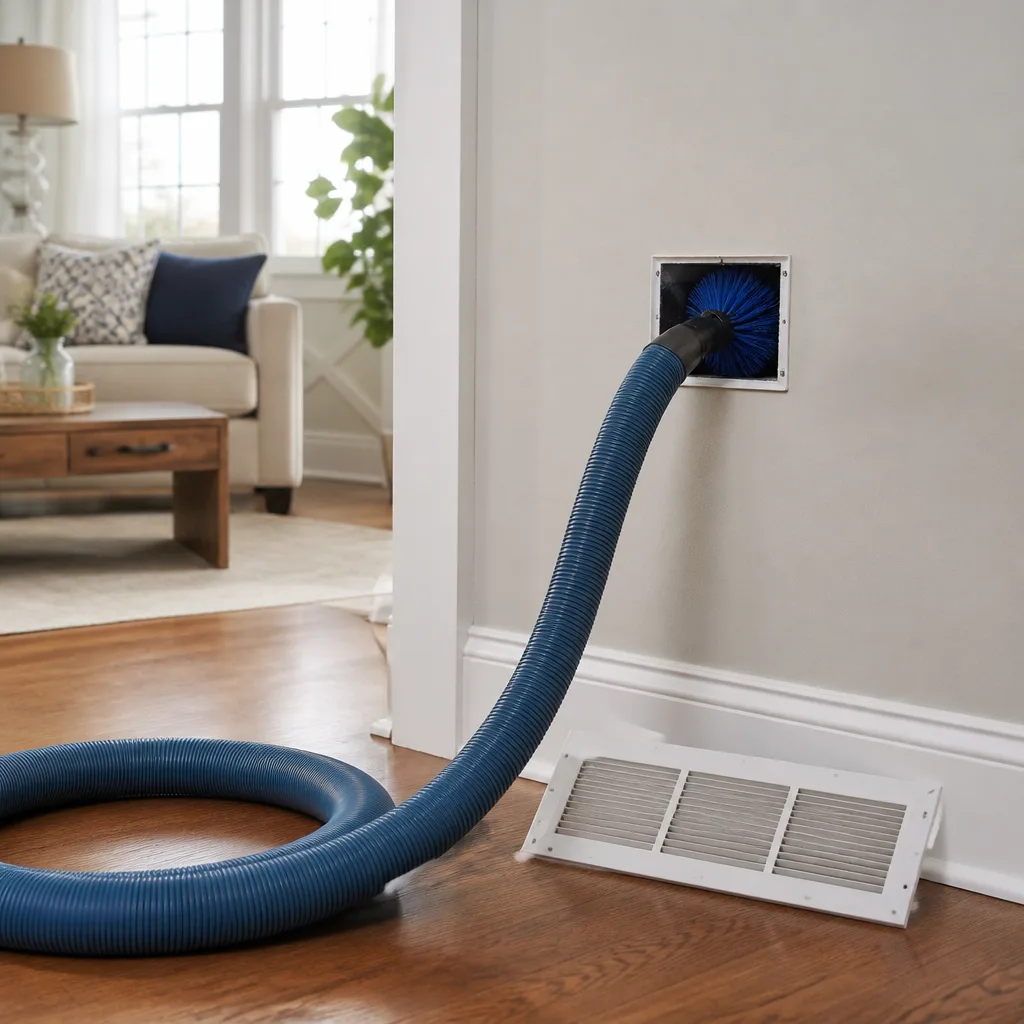
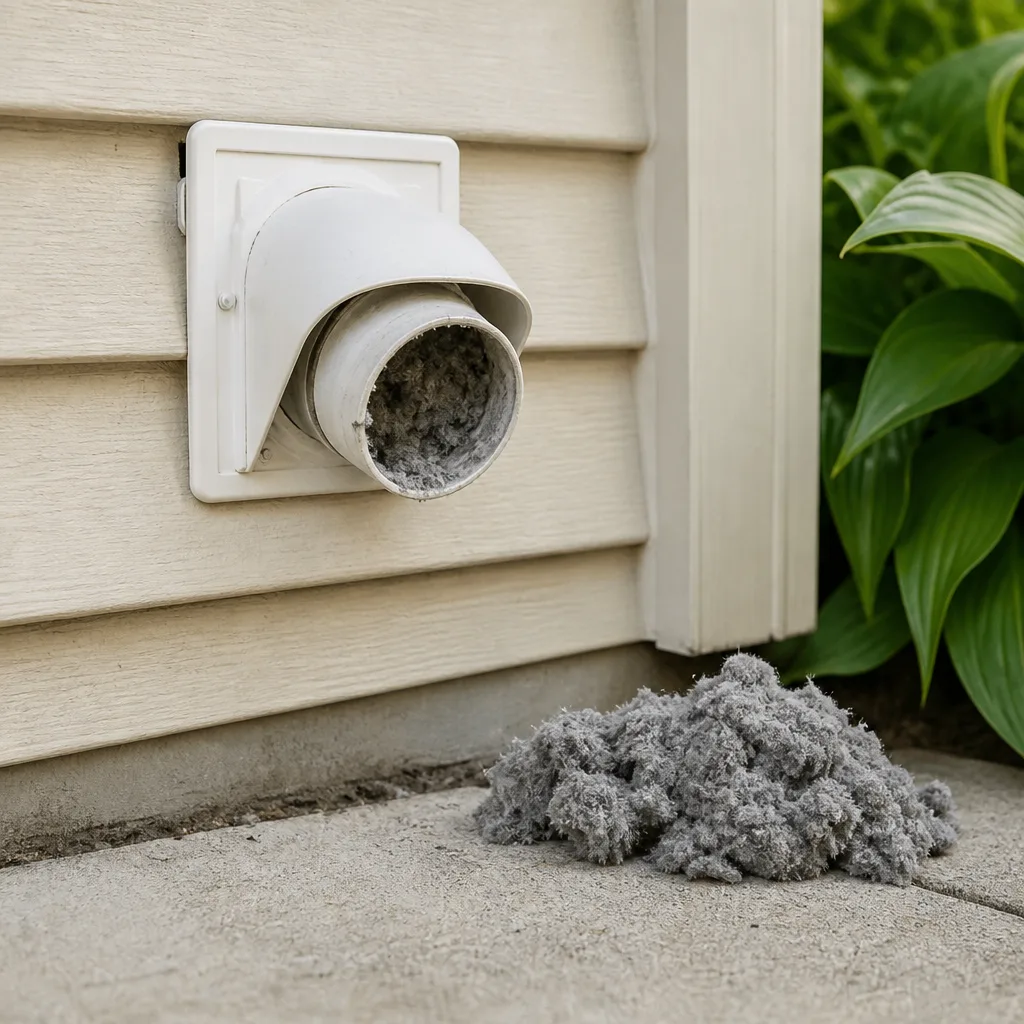
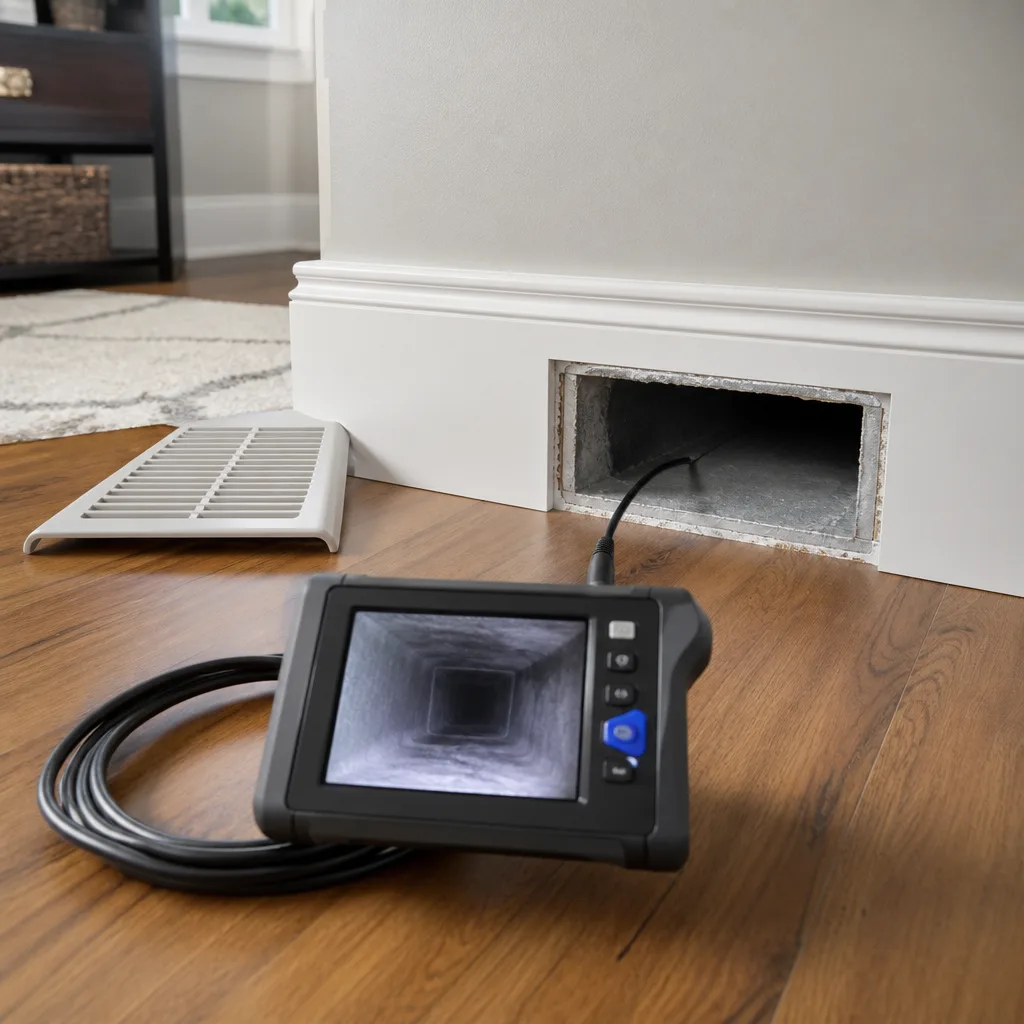
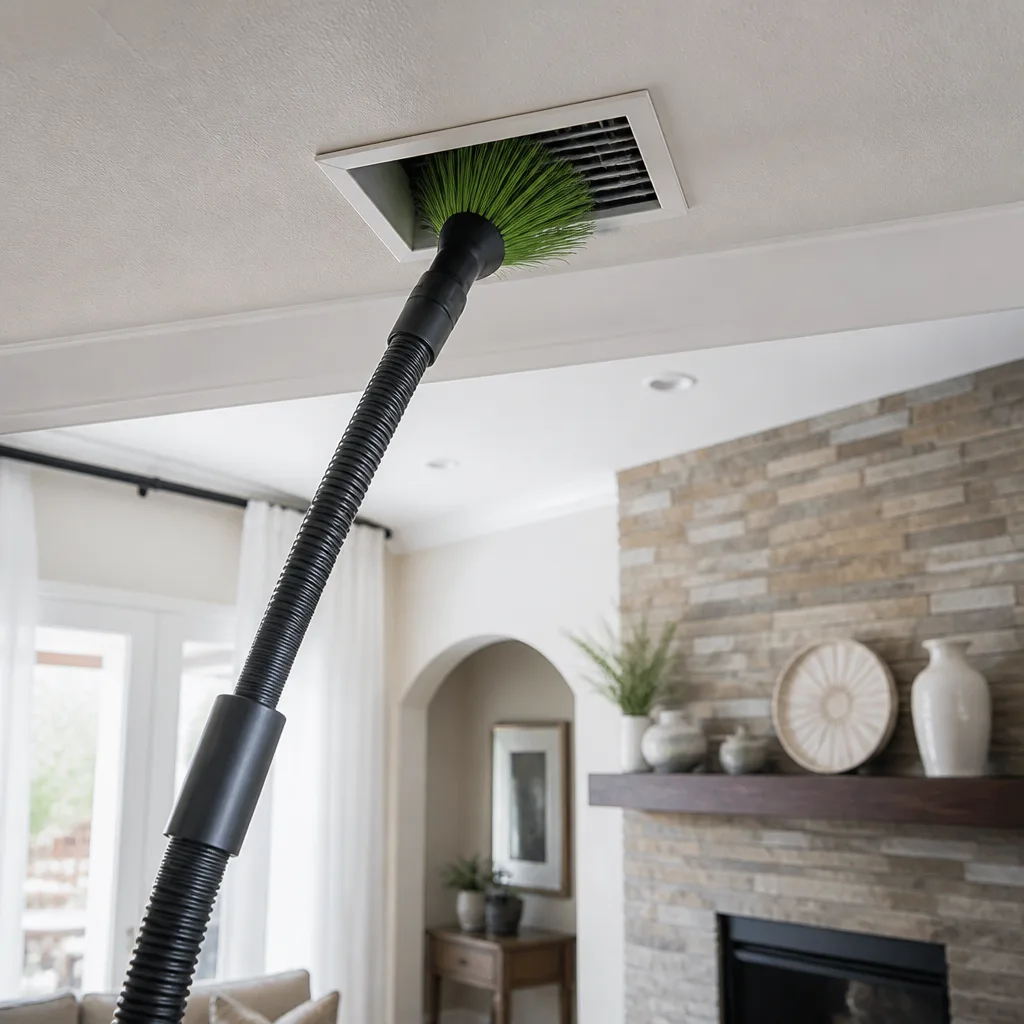
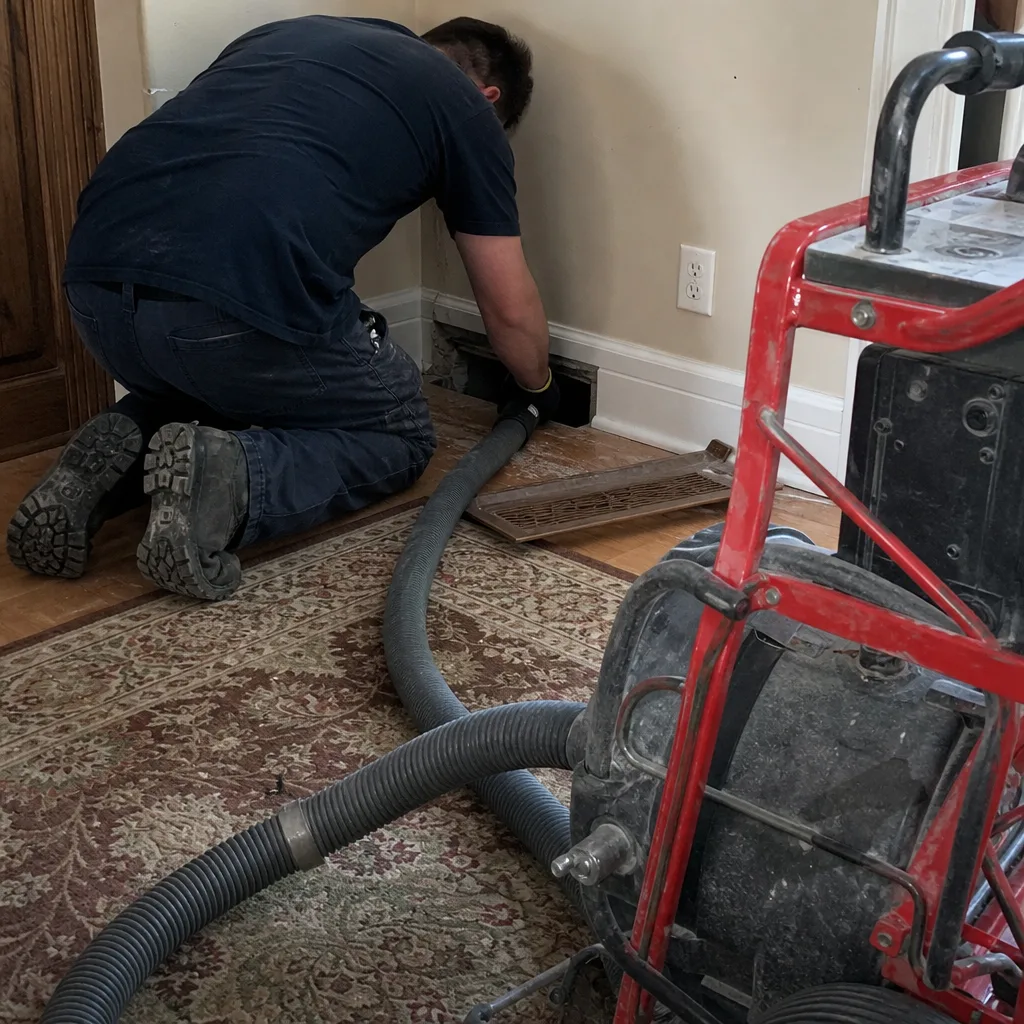 Before
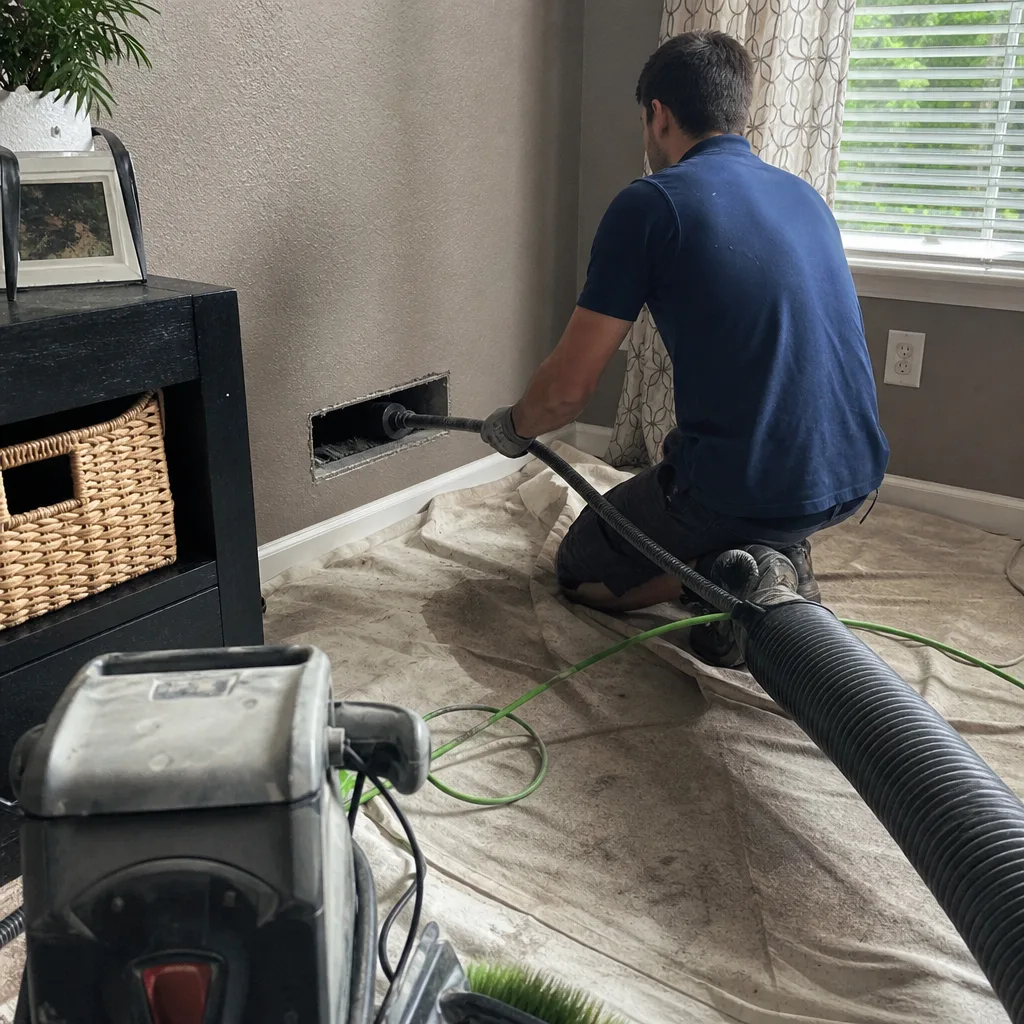 After
After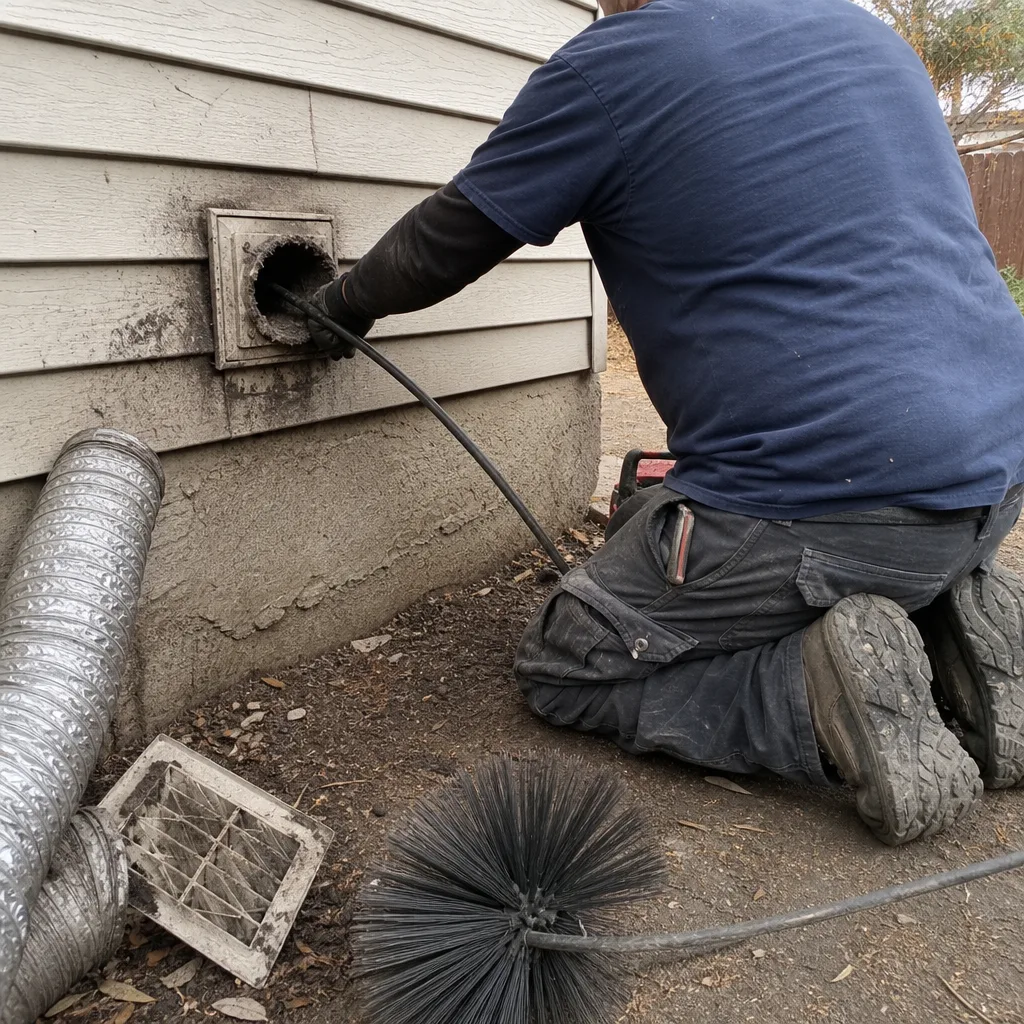 Before
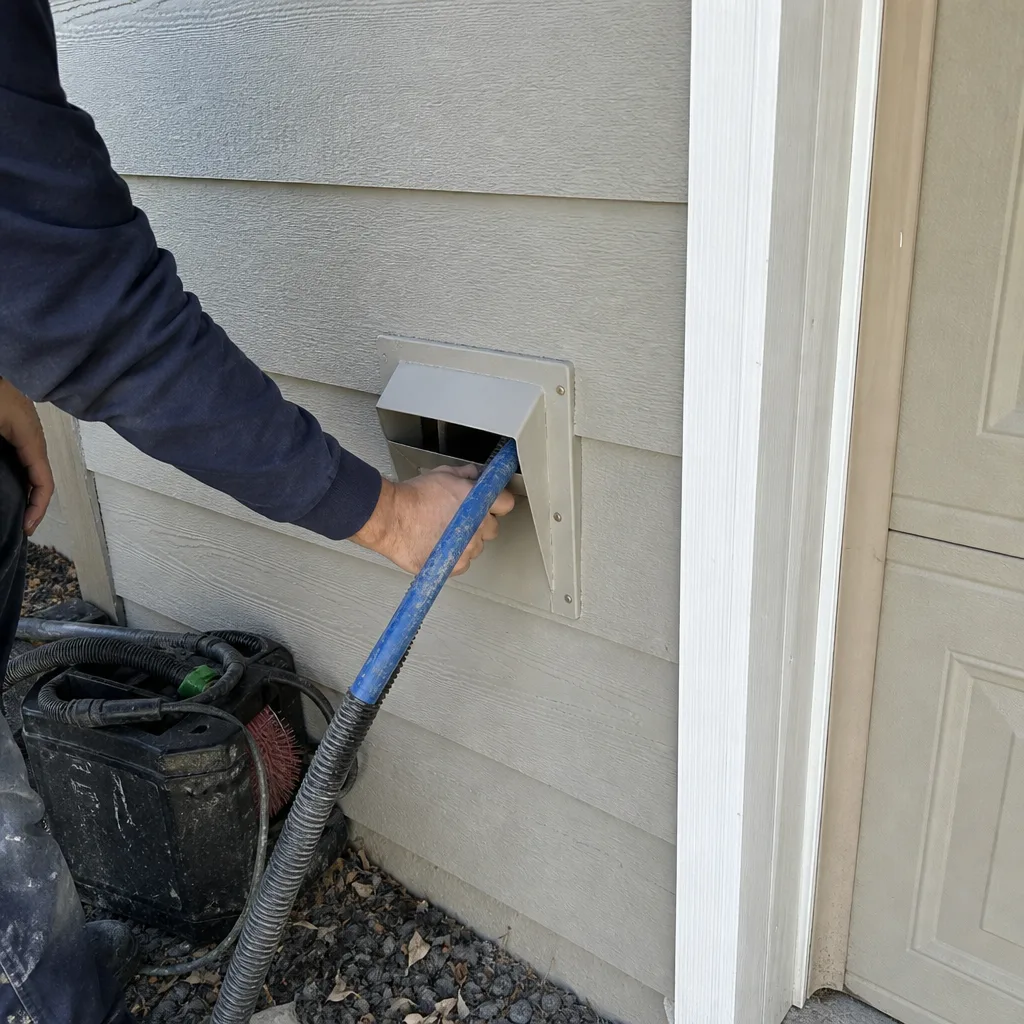 After
After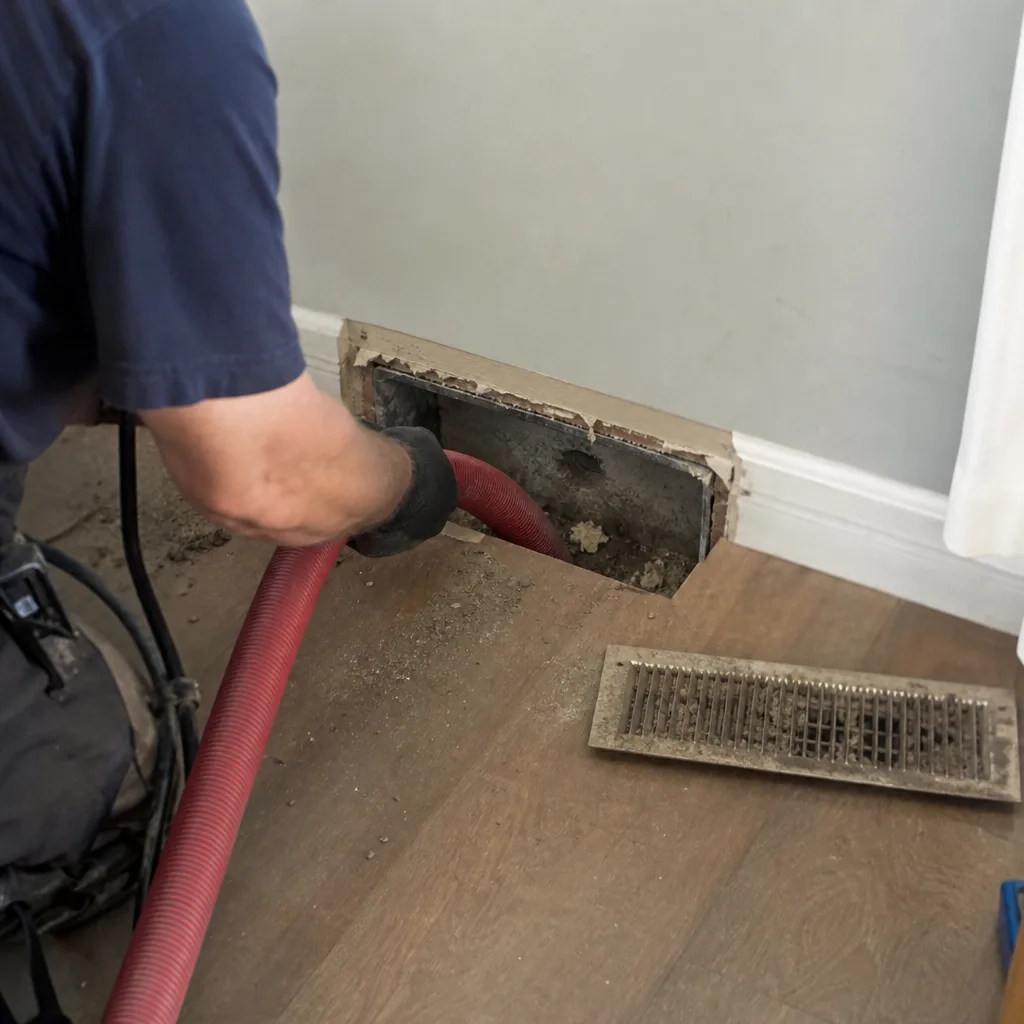 Before
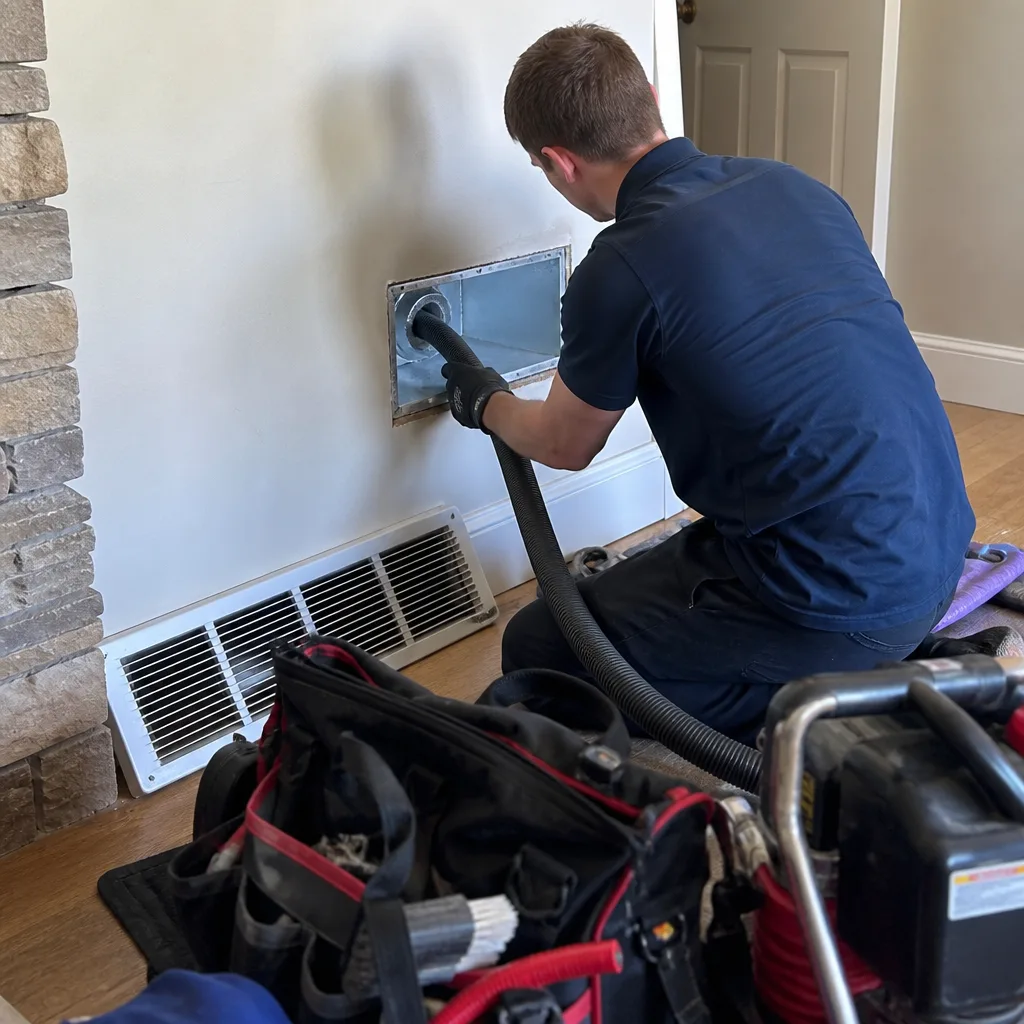 After
AfterHoneywell Coil Cleaning: The Littleton Owner’s Guide
Honeywell coil cleaning in Littleton typically runs $340-$620 for a full evaporator or condenser coil service, depending on accessibility and whether the coil is in the attic plenum (the main distribution box connected to your ductwork) or the outdoor condenser unit. We stock Honeywell-compatible foaming cleaners, fin combs, and protective treatments on every truck, and most residential coil cleanings are completed in a single visit. Most Littleton homeowners realize their coil needs attention when the upstairs bedrooms won’t cool below 78°F on a July afternoon, or when their energy bill jumps 20-30% without any thermostat change.
Which Honeywell Models This Applies To
Honeywell doesn’t manufacture complete HVAC systems; they build the controls, media filters, and electronic air cleaners that integrate with coils made by Carrier, Trane, Lennox, and others. The coil cleaning itself applies to any system carrying a Honeywell F100, F200, or F300 series media air cleaner upstream, or a Honeywell electronic air cleaner mounted at the plenum return. If your air handler has a Honeywell thermostat model TH9320WF or RTH9585WF controlling the cycle, the coil we’re cleaning is the one that same thermostat is calling for.
To identify what you’re working with, check the label on the indoor air handler cabinet (usually a silver sticker near the blower access panel) for the coil model, and note whether a Honeywell media cabinet sits between the return duct and the plenum. The F100 series uses a 16x25x4 or 20x25x4 filter slot that sits close to the coil face; cleaning without removing that cabinet first is a common shortcut that leaves debris packed at the coil entrance. We carry OEM-grade foaming cleaner from Honeywell’s own chemical line, plus Nikro and Abatement Technologies alternatives for coils with corroded fins where a milder formulation prevents further metal loss. Aftermarket cleaners labeled “HVAC safe” often run too alkaline for aluminum fins under 0.006 inch thickness, which is what we find in most Littleton homes built 1995-2010.
Signs Your Honeywell Coil Cleaning Is Failing
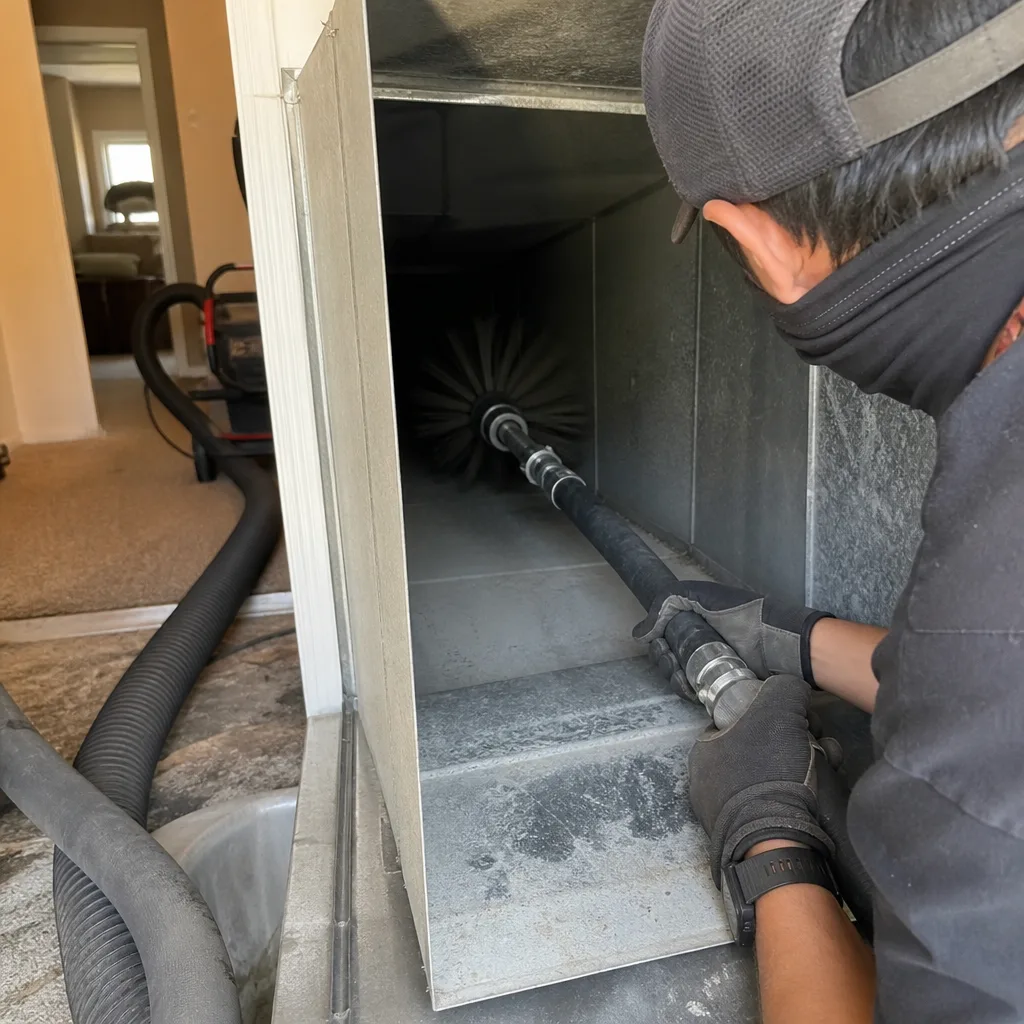
- Uneven cooling between floors. A debris-coated evaporator coil can’t transfer enough heat; the refrigerant stays too cold, the blower strains, and the upstairs registers blow air that feels tepid. In Littleton’s split-level homes near Columbine Knolls, we see this pattern repeatedly when the coil hasn’t been cleaned in five-plus years.
- Ice formation on refrigerant lines. Restricted airflow across a dirty coil drops the surface temperature below freezing, and condensation flash-freezes into a layer that blocks airflow further. The camera doesn’t negotiate - it just shows what’s there - and our inspection footage usually reveals a mat of pet hair and construction dust cemented to the first fin row.
- Musty or sour odor at startup. Organic buildup on the coil feeds microbial growth; when the blower kicks in, that biofilm releases into the duct run (the individual branch of ductwork serving a room or zone). Honeywell’s F200 and F300 electronic cleaners reduce particulate load but don’t stop condensation from breeding odor on a fouled coil.
- Longer run cycles with poor result. The system stays on for 20-25 minutes but the temperature barely shifts. A clean coil should reach setpoint in 10-15 minutes during normal Littleton summer conditions; extended cycles mean the heat exchange surface is compromised.
- Water stains below the air handler. A dirty coil sheds condensation unevenly, overwhelming the drain pan or clogging the condensate line with sludge. We find this especially in homes with flex duct sagging at the plenum connection, which traps humidity in the cabinet.
BeforeAfterReplacement Cost & What’s Included
| Service Level | Price Range | What’s Included |
|---|---|---|
| Standard evaporator coil cleaning | $340-$480 | Access panel removal, foaming chemical application, fin straightening, drain pan flush, before/after photo record of coil face and plenum interior |
| Condenser coil cleaning (outdoor unit) | $280-$420 | Cage removal, foaming cleaner, fin comb restoration, refrigerant line inspection, photo documentation |
| Both coils, same visit | $520-$620 | Combined service with priority scheduling, full H.A.V.E.N. Standard documentation, 365-Day Done Right Promise on workmanship |
| Coil with access complications (attic, crawlspace, tight closet) | Add $80-$140 | Extended labor for confined-space setup, additional protective sheeting, enhanced photo record of hard-to-reach areas |
The range depends on three factors: coil location (attic plenums in Littleton’s older homes take longer to access safely), fin condition (corroded or flattened fins require hand-combing versus simple cleaning), and whether the drain line needs separate clearing. Every price is written and agreed before we touch a panel, per Haven Standard Clause 1. The 365-Day Done Right Promise covers our workmanship; if the coil fouls again due to our cleaning method within a year, we return and correct it at no charge.
DIY or Call Us?
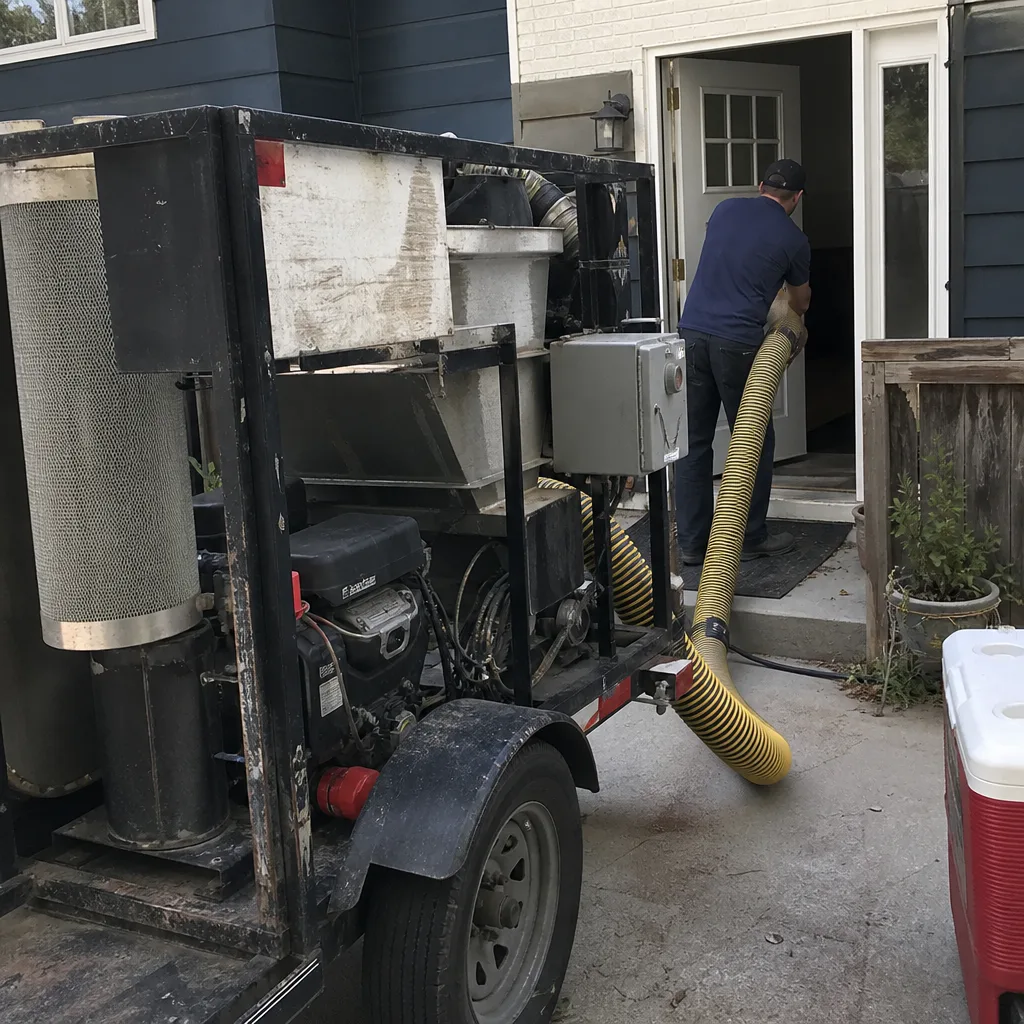
An owner can safely check two things: whether the Honeywell filter cabinet is properly seated (a gap lets bypass debris straight to the coil), and whether the condensate drain line outside is dripping when the AC runs. Both take five minutes and require no tools.
What goes wrong with DIY coil cleaning: foaming cleaner from the hardware store is often the wrong pH for aluminum fins, and high-pressure water or compressed air bends fins permanently, reducing surface area. The evaporator coil sits downstream of the blower in a dark, humid cabinet - a prime environment for electrical hazard if you’re working near live 240V terminals. We don’t recommend homeowner access to the coil itself. If you’ve already pulled the panel and found heavy buildup, call (720) 315-7291. We’ll quote the cleaning in writing before we arrive, document the coil condition with photos you can see the same day, and leave you with a record of what was done.
FAQs
A standard residential evaporator or condenser coil cleaning takes 90 minutes to 2.5 hours, depending on accessibility and how much debris has accumulated. Attic installations in Littleton’s older neighborhoods like Columbine Knolls add 30-45 minutes for safe ladder setup and heat management. Call (720) 315-7291 for a written estimate - we can narrow the time window once we know your air handler location.
No - “repair” isn’t the right word for coil contamination. The fins aren’t broken; they’re buried. Cleaning is the fix. If fins are corroded through or the copper tubing has leaked refrigerant, that’s a replacement job, not a cleaning. We photograph the coil first and tell you which category you’re in before any work starts.
Every 3 to 5 years for most homes; every 2 to 3 years if you have multiple pets, recent remodeling, or a Honeywell F100 media filter that hasn’t been changed on schedule. Littleton’s dry winters and dusty spring wind patterns (especially near the foothills west of Santa Fe Drive) accelerate buildup compared to more humid climates where rain helps settle airborne debris.
Yes - we carry Honeywell-formulated foaming cleaner, pH-neutral alternatives for corroded fins, fin combs in multiple fin-per-inch counts, and protective treatments that slow future buildup. Our equipment roster includes Rotobrush, Nikro, Abatement Technologies, Honeywell, Aprilaire, and Guardsman products. We’re an independent service provider with no affiliation to Honeywell International, but we use their chemistry where it matches the coil specification.
Written by Tomas Reyes, Owner, CleanRun Air Duct Cleaning Littleton at CleanRun Air Duct Cleaning Littleton, serving Littleton and nearby areas.