
Whole-system duct and dryer vent check with before-and-after photos - you see exactly what came out of your vents
That "$99 whole-house special" is a bait ad - the real number appears once they are in your hallway, or the "clean" is a shop-vac at the register. We photograph the inside of your ducts before and after instead.
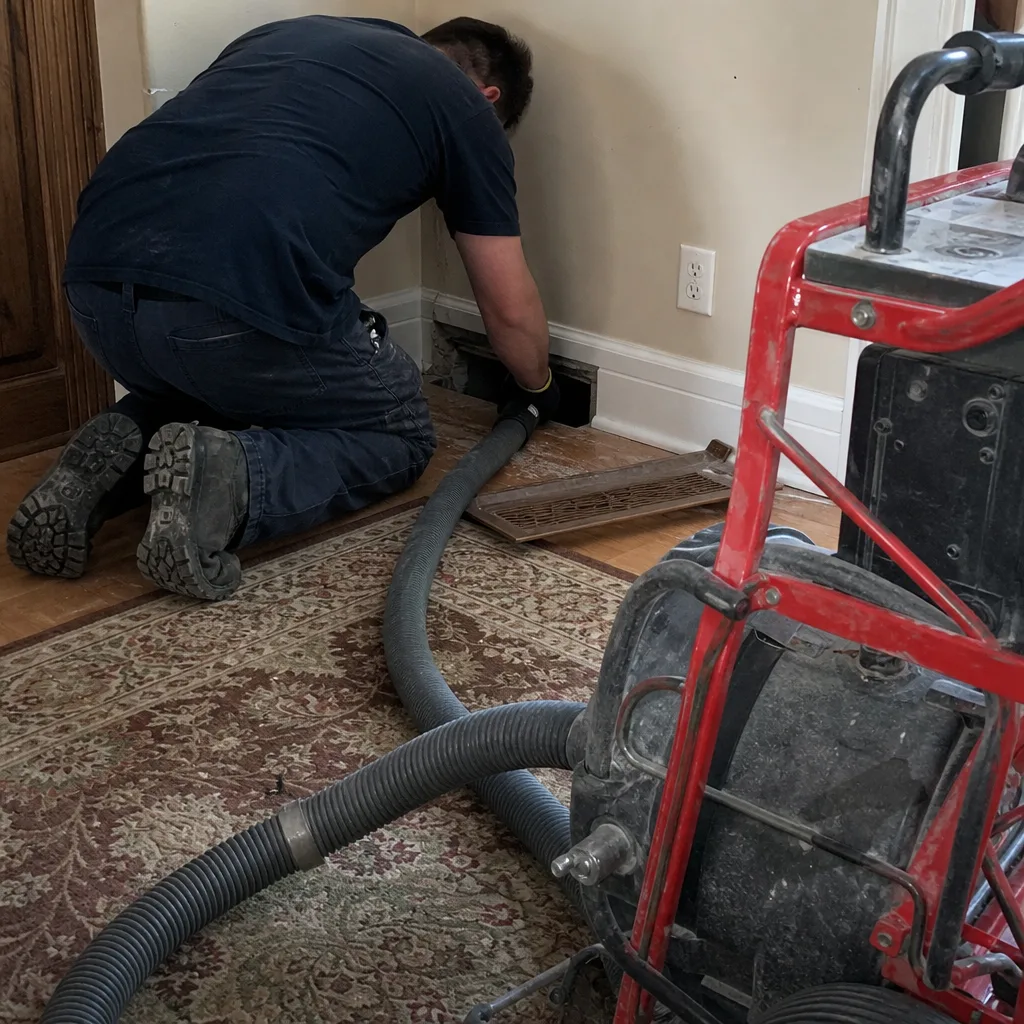 Before
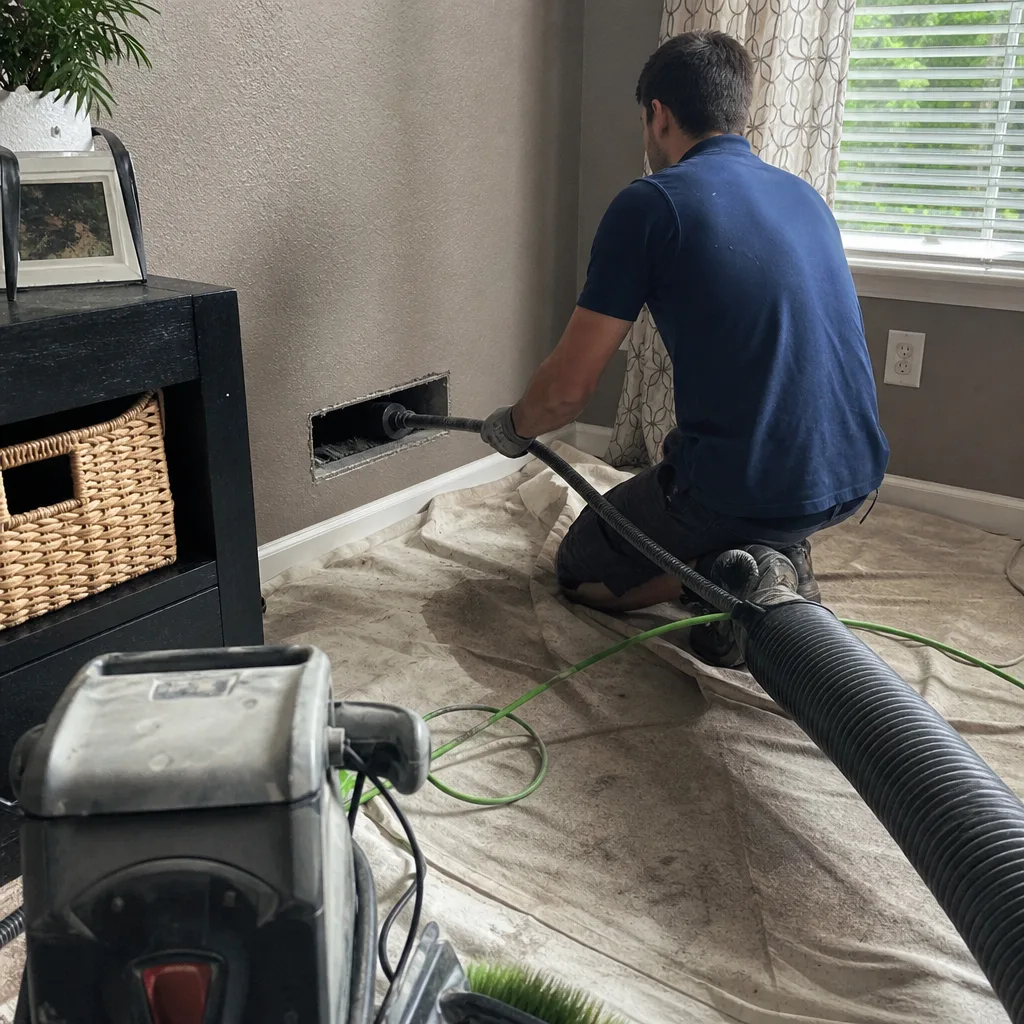 After
After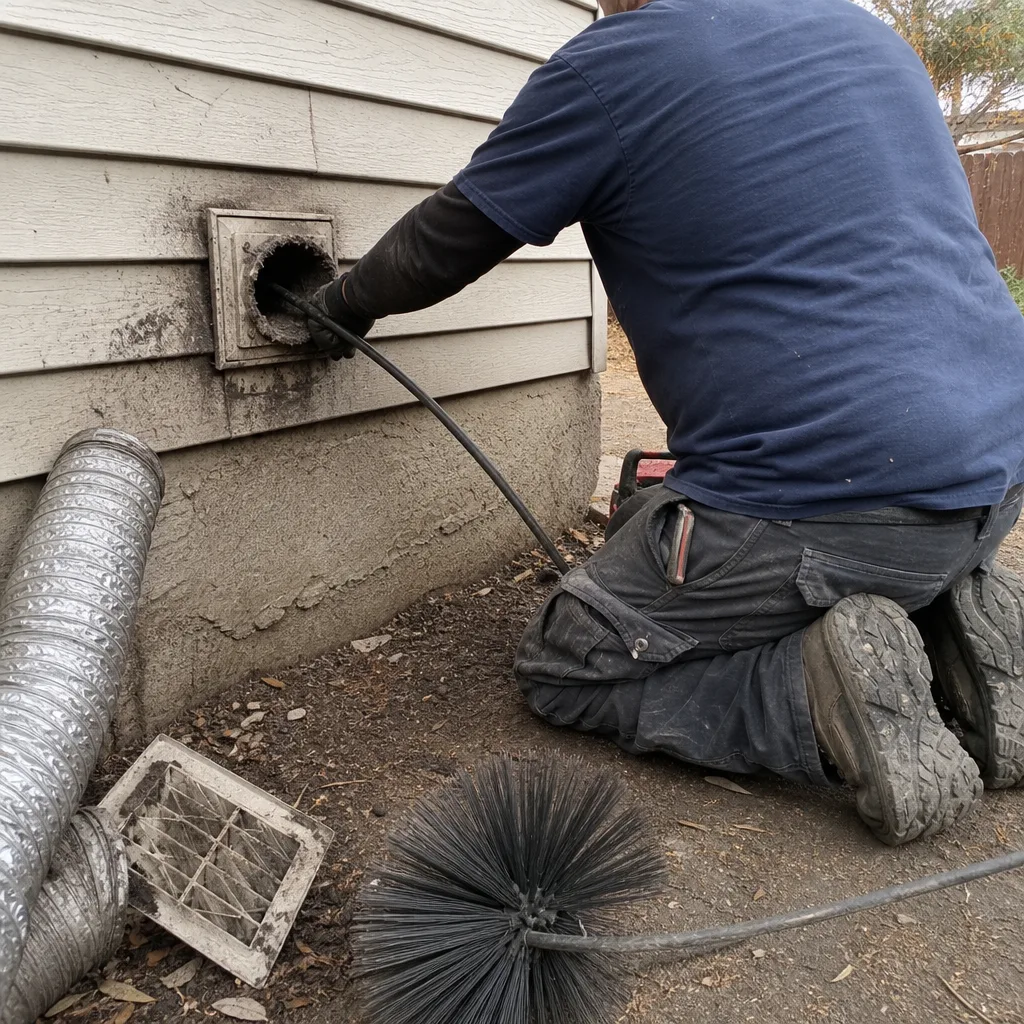 Before
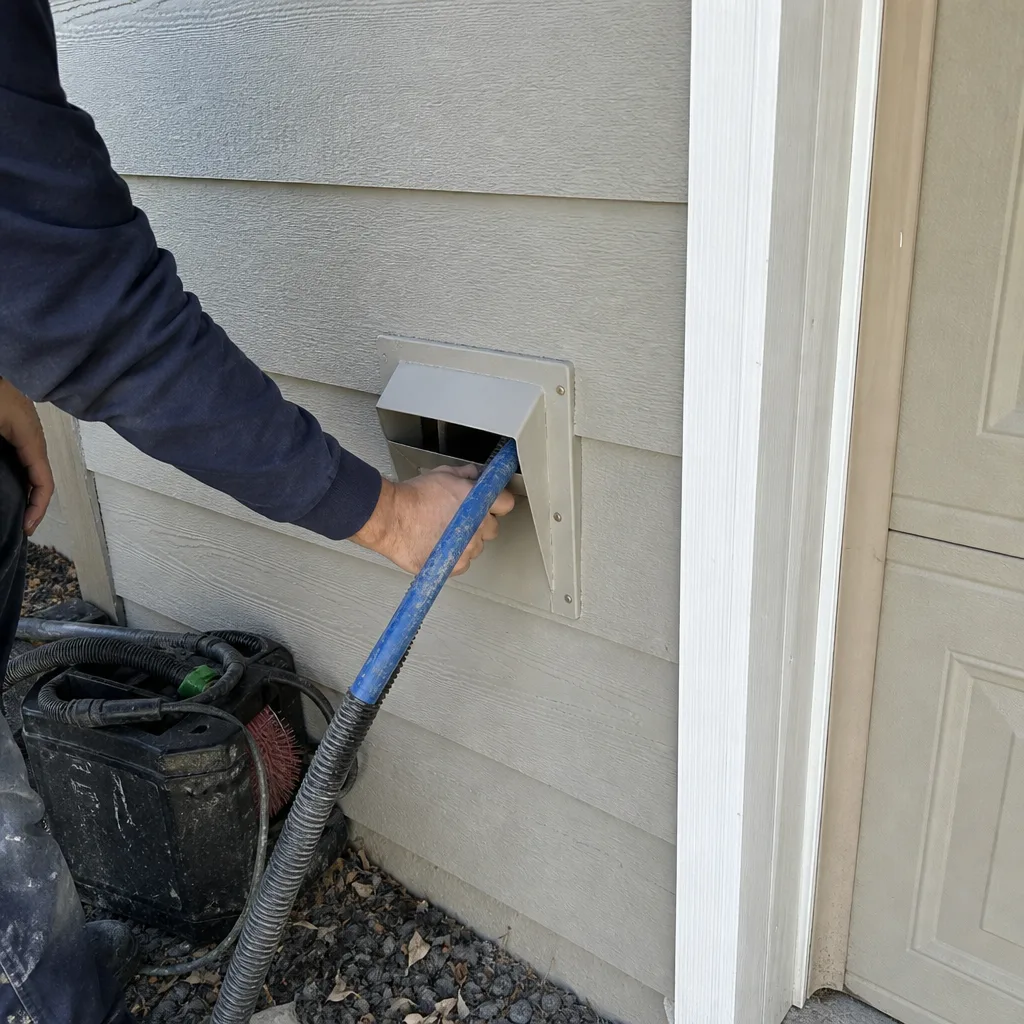 After
After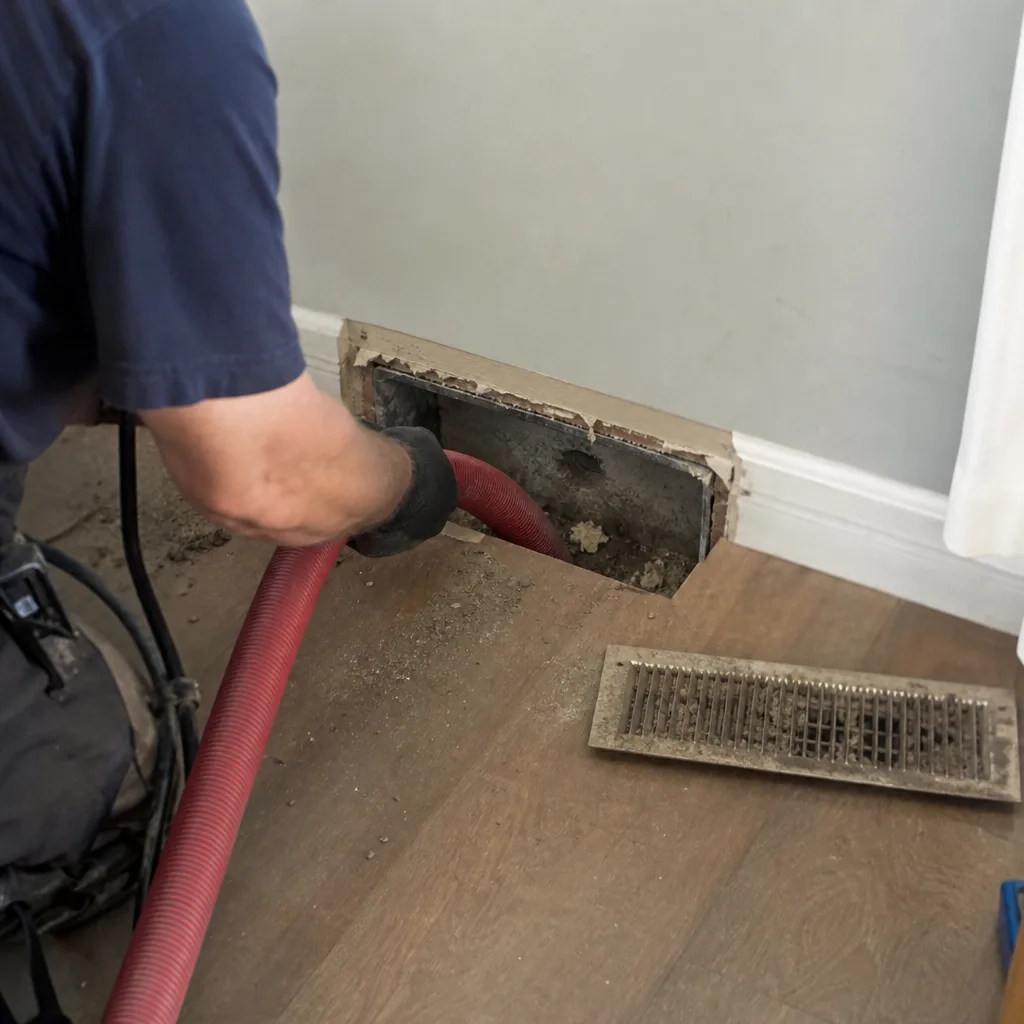 Before
 After
AfterHoneywell Dryer Vent Cleaning in Littleton: What to Know First
CleanRun provides independent Honeywell dryer vent cleaning in Littleton, with most scheduled jobs completed in a single visit and a written price delivered before any work begins. A standard Honeywell dryer vent cleaning in Littleton runs $189-$329 depending on vent length, access difficulty, and whether the job requires vent rerouting or bird guard installation. We are not affiliated with or authorized by Honeywell; we are an independent service provider that works on Honeywell systems daily in Littleton homes from Columbine Knolls to Ken Caryl Ranch.
This page is for homeowners who own a Honeywell dryer or Honeywell-integrated laundry system and need the vent line inspected, cleaned, or repaired by technicians who know the difference between a Honeywell HTD series termination and a generic builder-grade cap. If that matches your situation, call (720) 315-7291 and we’ll schedule a free estimate with a written price on arrival.
How Honeywell Products Fail - and How We Fix Them
- Honeywell HTD8000 series: thermal cutoff trips during high-heat cycles. The HTD8000 pushes more CFM than most builder-grade vents can exhaust, especially in Littleton’s dry winter months when static pressure spikes. We see this in two-story homes near Chatfield Reservoir where the vent run exceeds 25 feet. Our fix is a full negative-pressure extraction (suction-based debris removal) of the entire duct run, followed by a static pressure test to verify the HTD8000 can breathe.
- Honeywell SmartDry integration: moisture sensor misreads due to lint bypass. The SmartDry’s capacitive sensors sit downstream from the drum, and when lint accumulates at the elbow behind the dryer, the sensor reads humidity that isn’t there. Homeowners in Littleton’s older subdivisions like Columbine Knolls call us thinking the board is bad; the camera shows a 3-inch debris build-up at the first elbow. We clean to the termination, verify sensor calibration with a digital hygrometer, and document the reading.
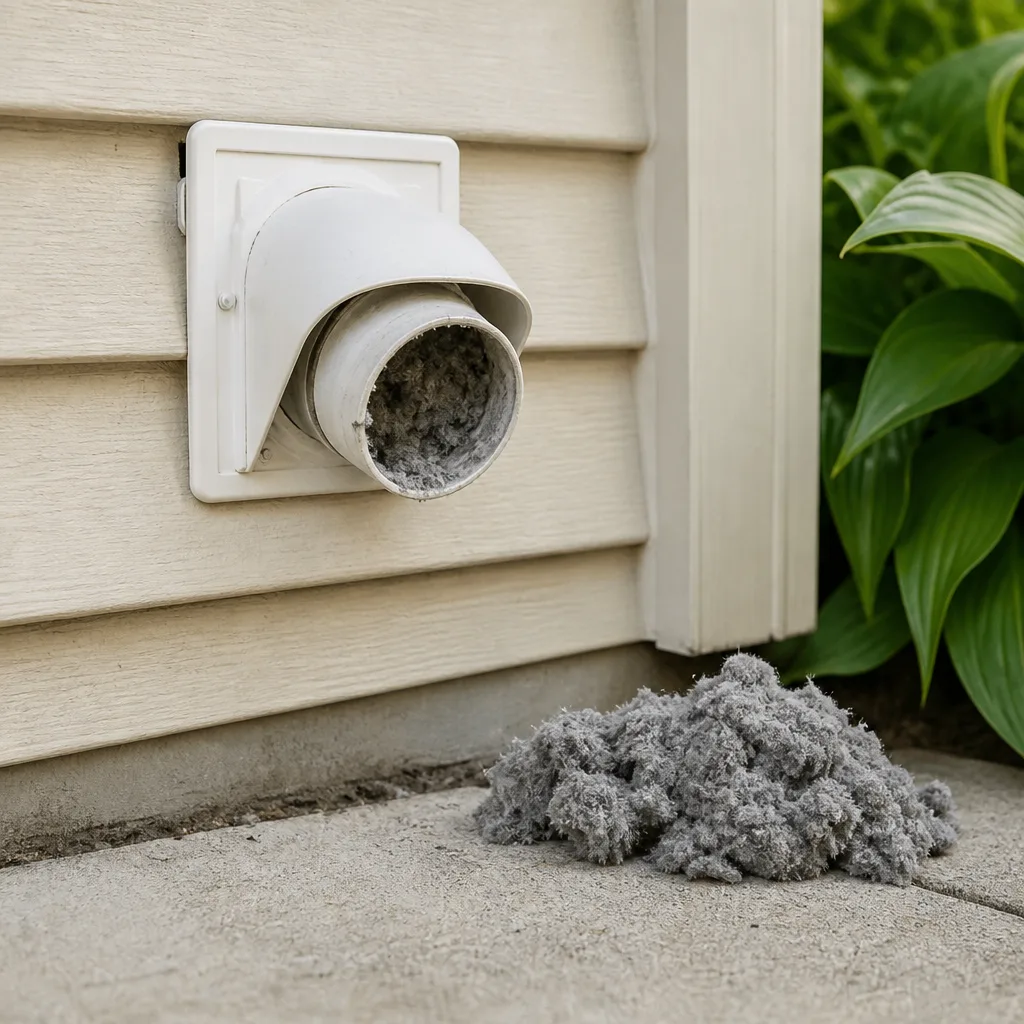
- Honeywell exterior caps with backdraft dampers: seized flappers from pollen and cottonwood seed. Littleton’s cottonwood season, late May through June, packs the Honeywell spring-loaded damper with organic matter. The flapper sticks half-open, creating a cold-air return in winter and a lint trap in summer. We remove the cap, clean the pivot mechanism with a non-residue solvent, and if the spring is fatigued, we source a direct-fit replacement or upgrade to a Guardsman bird guard with stainless hardware.
- Honeywell flex-duct transitions: sagging runs in attic spaces above vaulted ceilings. Homes built in Littleton’s 1990s-2000s building boom often have the dryer vent routed through attic space over a vaulted great room. The flex duct sags, creating a low point where lint collects and moisture condenses. On Honeywell jobs we replace sagging flex with rigid aluminum where accessible, support every 4 feet with strap hangers, and photograph the pitch with a level in frame.
- Honeywell HEP (high-efficiency particulate) exhaust systems: clogged secondary lint screens. The HEP series has a serviceable screen upstream of the blower that most owners don’t know exists. When it’s packed, the dryer runs longer, the element cycles hotter, and the vent line never sees proper velocity. We locate the screen, clean or replace it, and note the condition in the written job record so the homeowner can self-service it next time.
Our Honeywell Dryer Vent Cleaning Process
- 1
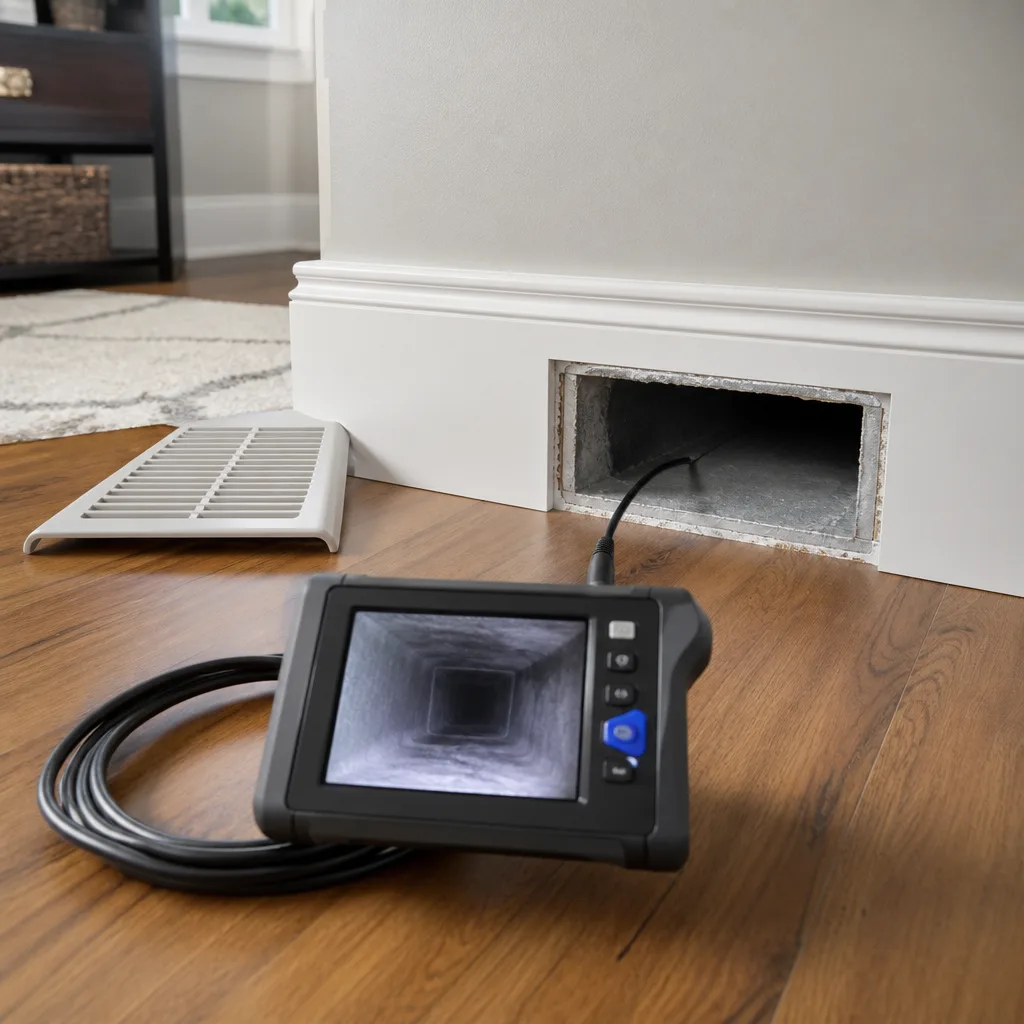
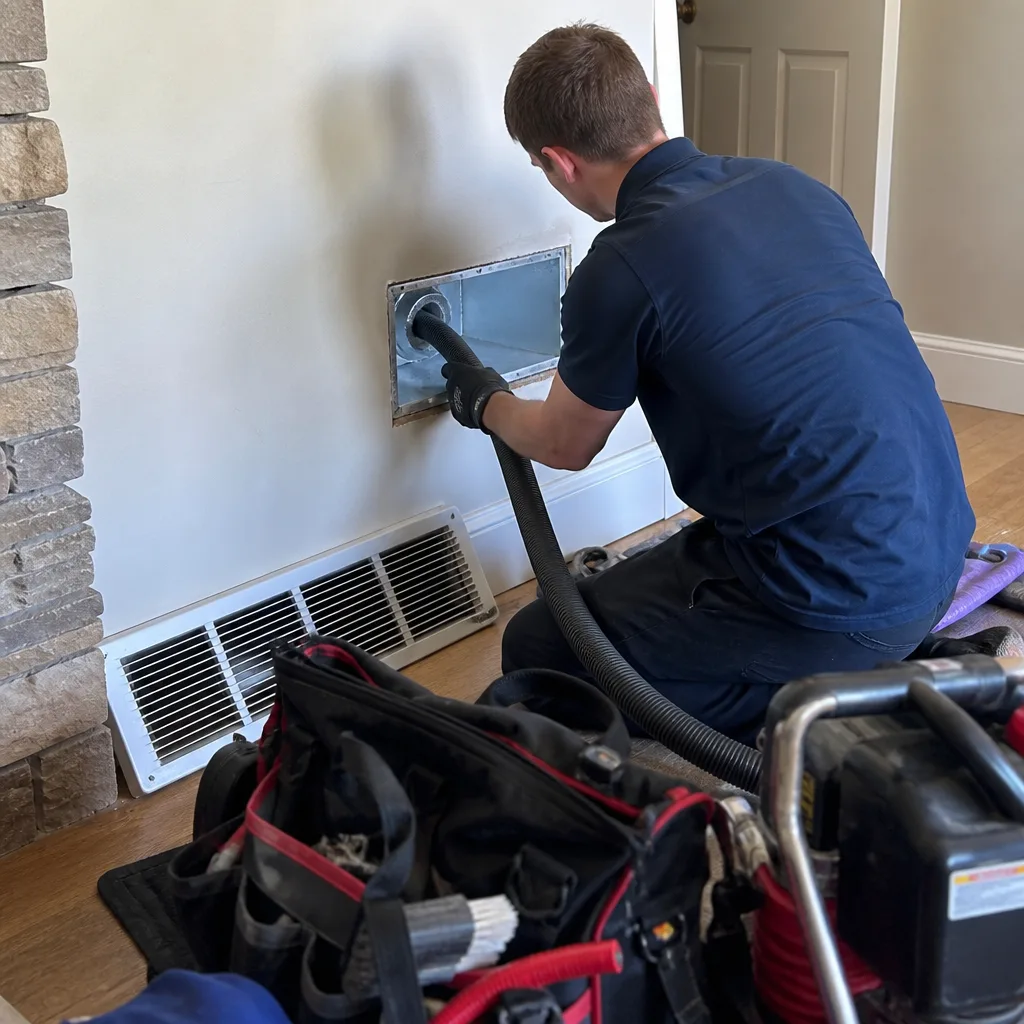
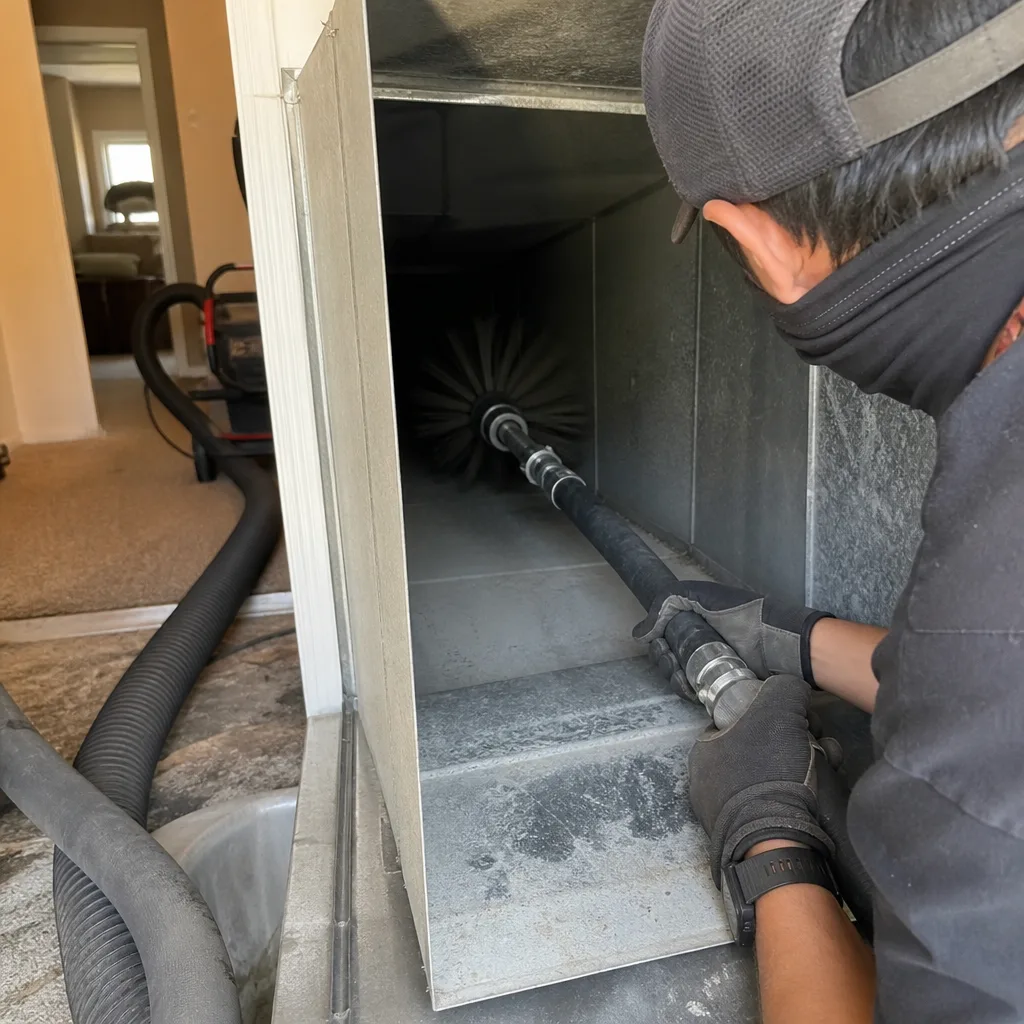
Inspection with photo documentation. We feed a borescope through the vent from the termination cap inward, or from the dryer connection outward, depending on access. The camera doesn’t negotiate - it just shows what’s there. Tomas Reyes reviews the footage with the homeowner before quoting.
- 2
Written price delivered. Haven Standard Clause 1: the price is written and agreed before any panel comes off. For Honeywell systems this includes any parts we can identify from the inspection, such as a replacement damper cap or rigid duct transition.
- 3
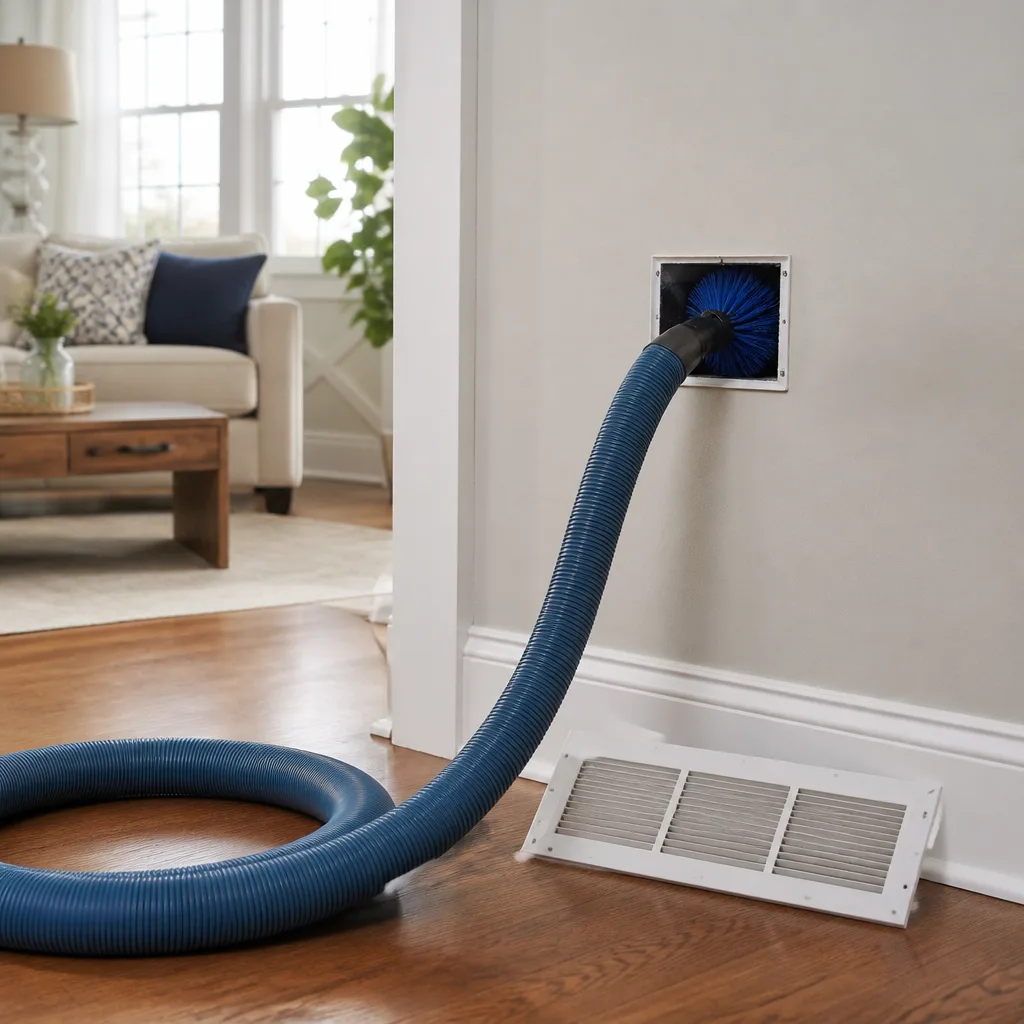
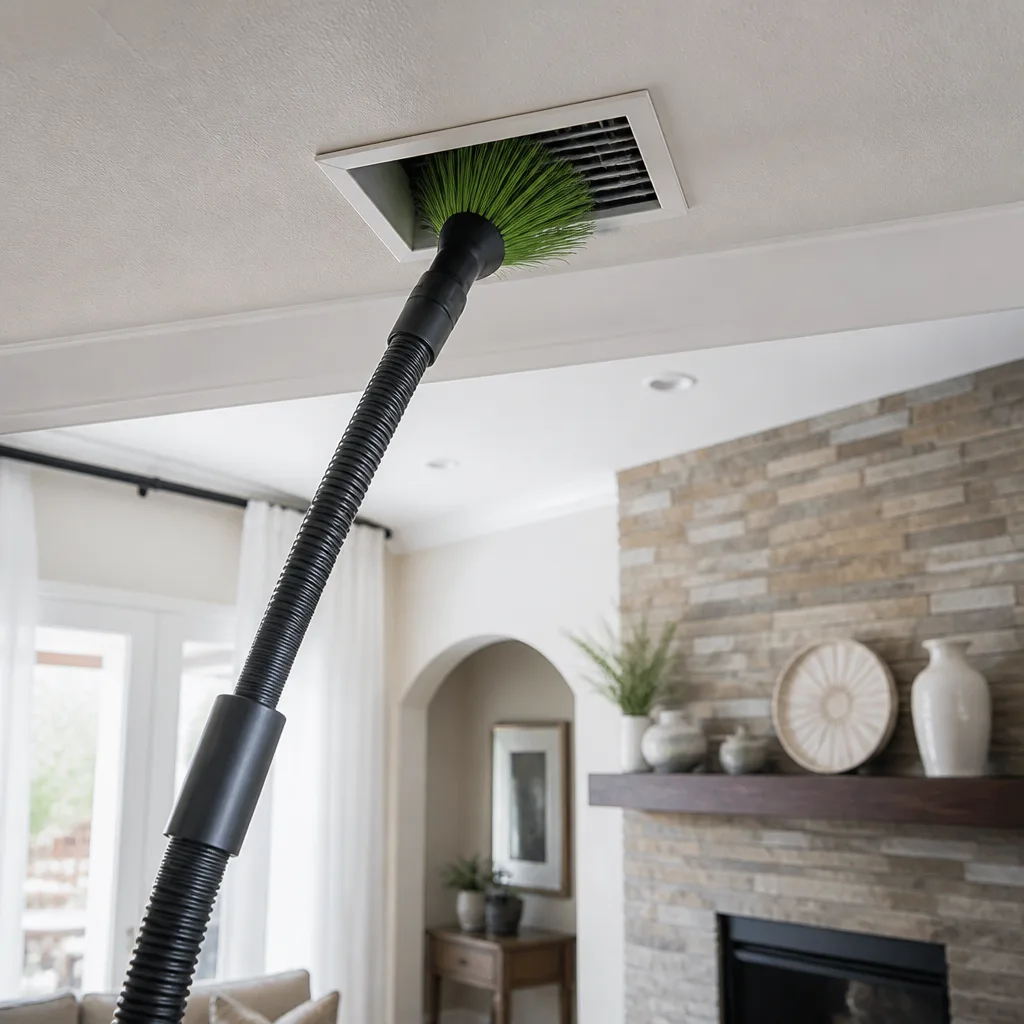
Negative-pressure extraction. We connect a Nikro HEPA vacuum to the vent line and use a Rotobrush agitation tool sized to the duct diameter. On Honeywell HEP systems we add a bypass hose to protect the secondary screen from brush contact.
- 4
Parts replacement with OEM or verified aftermarket. We stock Honeywell-compatible termination caps and dampers; when OEM is backordered, we use Guardsman or Aprilaire equivalents that match the pressure rating. We note the manufacturer and part number on the invoice.
- 5
Flow verification and photo record completion. We run a calibrated anemometer at the termination and compare the reading to Honeywell’s specified exhaust CFM for the model. Before-and-after photos of every duct run are delivered as part of the standard job record.
- 6
365-Day Done Right Promise activation. The written guarantee goes into effect the moment we leave. If airflow drops or the thermal trips within a year, we return and make it right.
BeforeAfterWhat Honeywell Dryer Vent Cleaning Costs in Littleton
| Service | Typical Range |
|---|---|
| Standard Honeywell dryer vent cleaning (single-story, direct vent) | $189-$239 |
| Two-story or extended run (20+ feet, one or more elbows) | $249-$299 |
| Vent rerouting (rigid replacement, new termination cap) | $279-$329 |
| Bird guard installation (Guardsman stainless, hardware included) | $89-$129 added to cleaning |
| HEP secondary screen cleaning or replacement | $49-$79 added to cleaning |
What moves the price: length of the duct run, number of elbows, whether the vent is accessible from crawl space or requires attic work, and whether the termination cap needs replacement. We do not price per vent - one flat price per system, agreed in writing before work starts. Call (720) 315-7291 for an exact quote; estimates are free.
Why Littleton Homeowners Call CleanRun Air Duct Cleaning Littleton for Honeywell Work
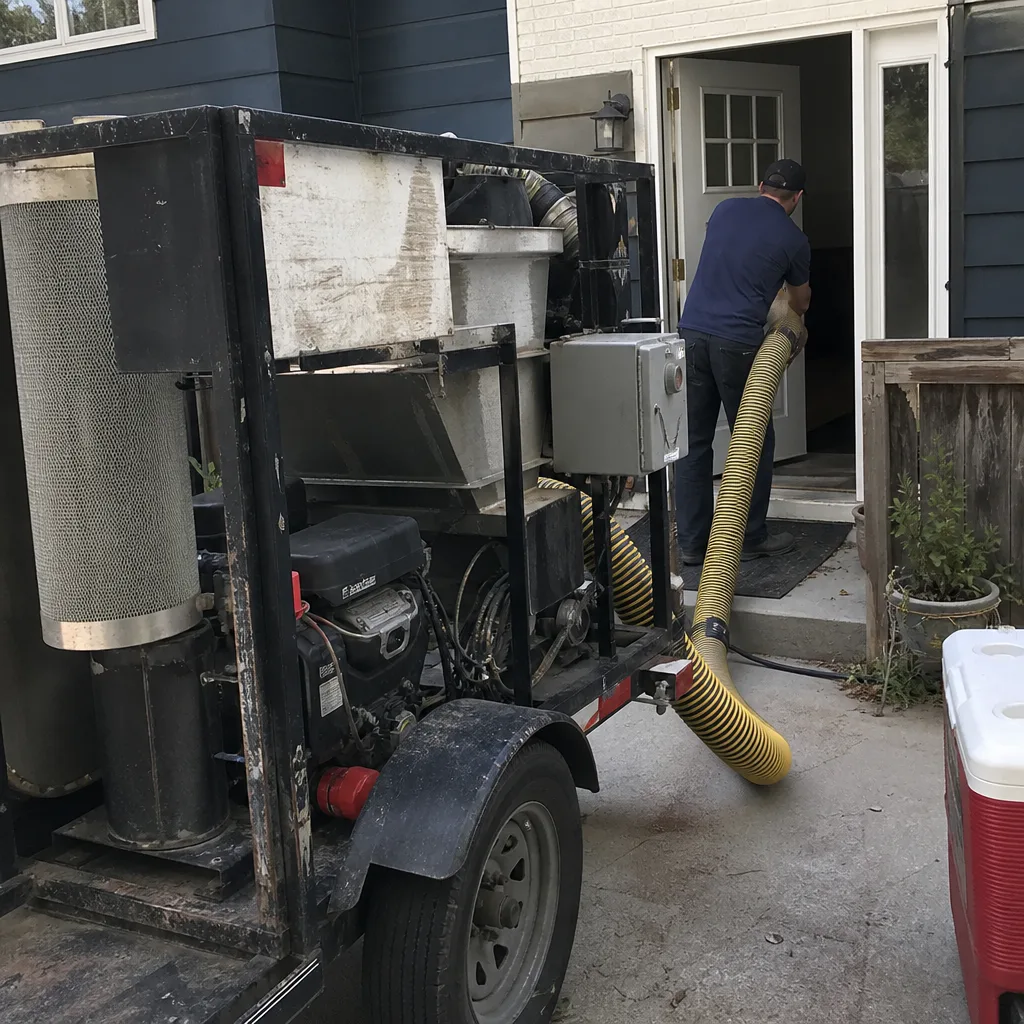
We’ve cleaned ductwork in Littleton since 2013, including plenty of jobs in the Columbine Knolls neighborhoods where the homes are older and the duct liners tend to tell a longer story than the listing price suggests. Our technicians are background-checked and uniformed under Haven Standard Clause 3: Verified Crews. We also service Lennox, Trane, and Carrier laundry ventilation systems, so if your home has mixed-brand HVAC and dryer components, we don’t need a second contractor.
Every job includes the Documented Photo Record - inside every run, before and after - and the 365-Day Done Right Promise in writing. If you have a competitor’s estimate, we provide a Free Second Opinion with our written number next to theirs.
FAQs
No, independent dryer vent cleaning does not void the Honeywell appliance warranty, provided the work is performed on the vent line and not the dryer’s internal components. We document our scope precisely to avoid any confusion if a warranty claim arises later. Call (720) 315-7291 if you need a copy of our service description for your records.
Aftermarket caps are acceptable if they match the pressure rating and dimensions of the OEM part. We stock Honeywell-compatible termination hardware and source Guardsman or Aprilaire equivalents when OEM is unavailable; we list the manufacturer and part number on your invoice so you can verify the spec independently.
The Documented Photo Record shows the inside of every duct run before and after. We deliver these images as part of the standard job record, along with the anemometer reading at the termination. If the photo doesn’t show clean metal, the job isn’t done.
Every 12-18 months for a typical household of 2-4 people; every 6-12 months if you run multiple loads daily, have pets that shed, or live near cottonwood stands where seed debris accumulates in the cap. Littleton’s dry climate means lint is brittle and packs densely, so the vent doesn’t self-clear the way it might in a more humid region.
Yes, if the vent line is original to the home. A new dryer with stronger airflow will often expose restrictions that a weaker older unit was masking. We inspect the line with the borescope first; if it’s clear, we charge only the inspection fee and document the finding.
Written by Tomas Reyes, Owner, CleanRun Air Duct Cleaning Littleton at CleanRun Air Duct Cleaning Littleton, serving Littleton and nearby areas.