
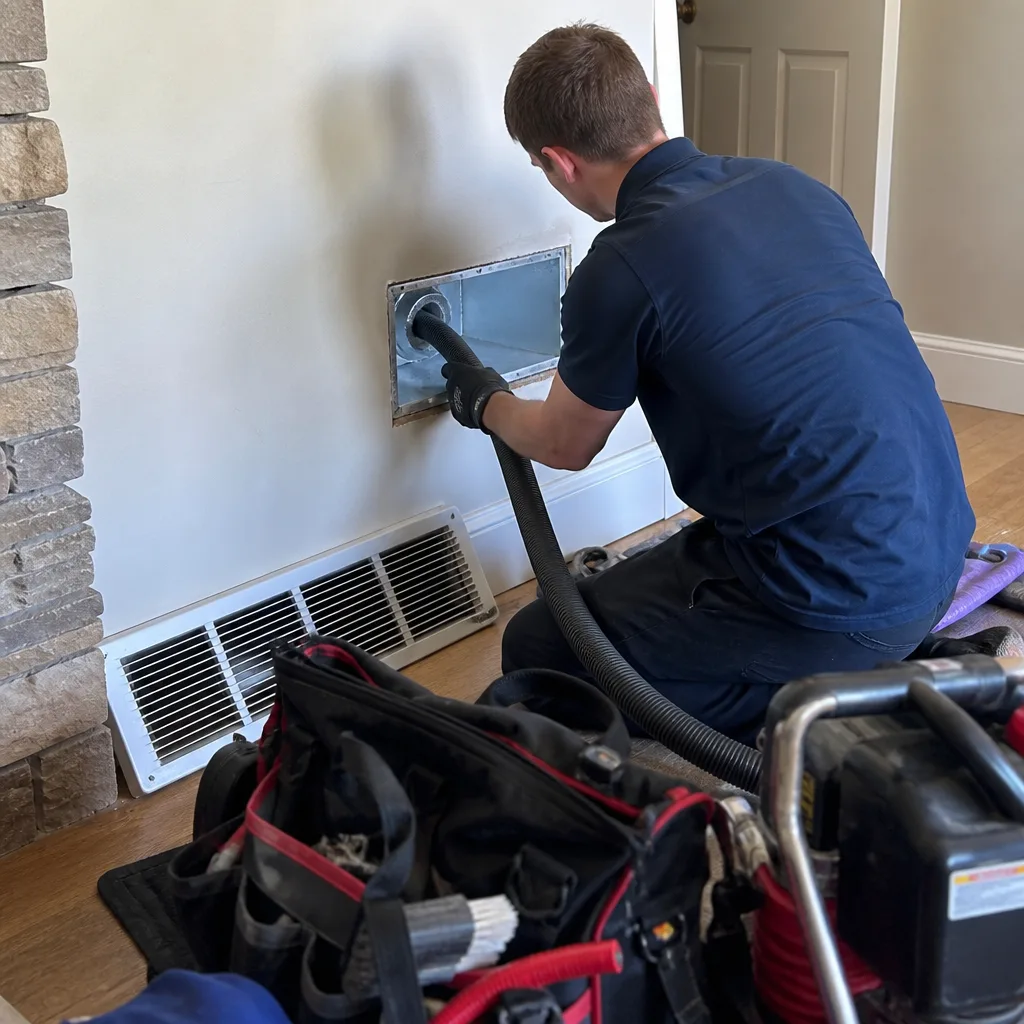
Whole-system duct and dryer vent check with before-and-after photos - you see exactly what came out of your vents
That "$99 whole-house special" is a bait ad - the real number appears once they are in your hallway, or the "clean" is a shop-vac at the register. We photograph the inside of your ducts before and after instead.
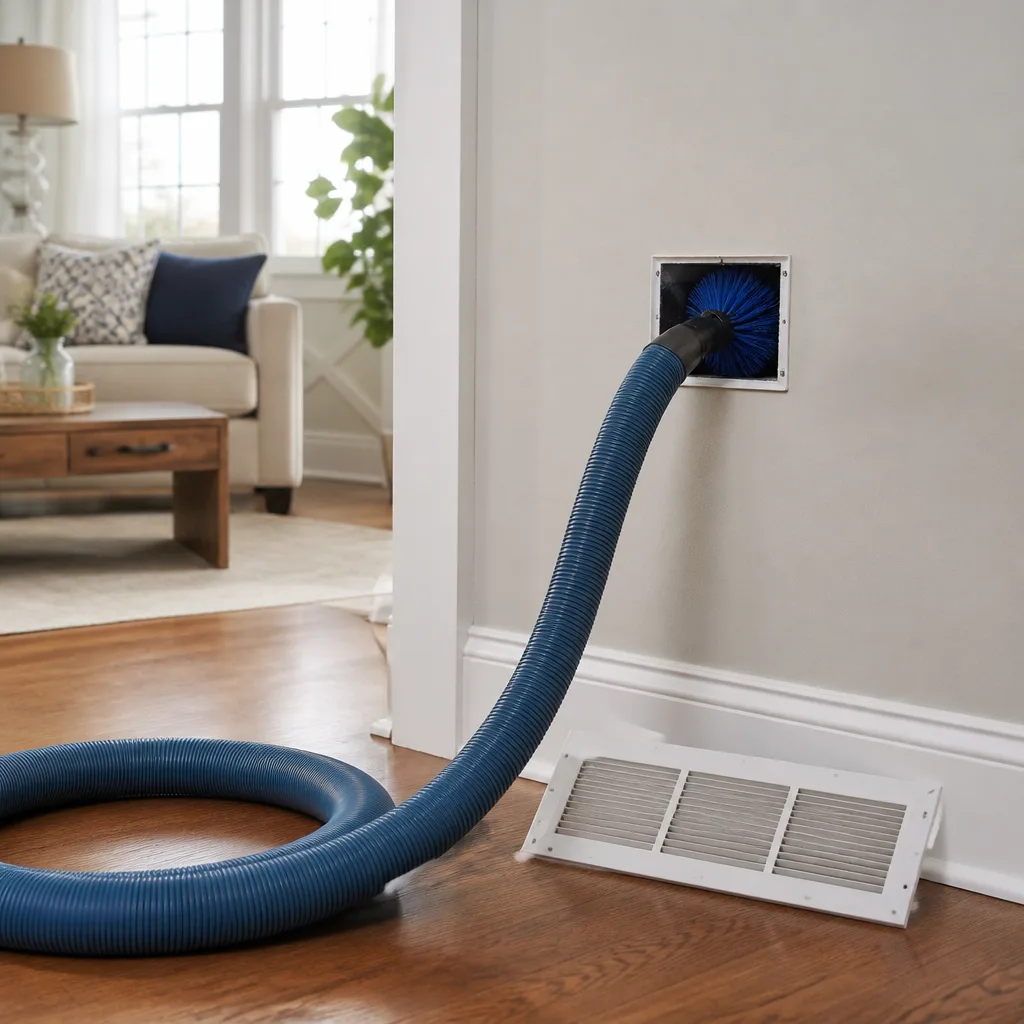
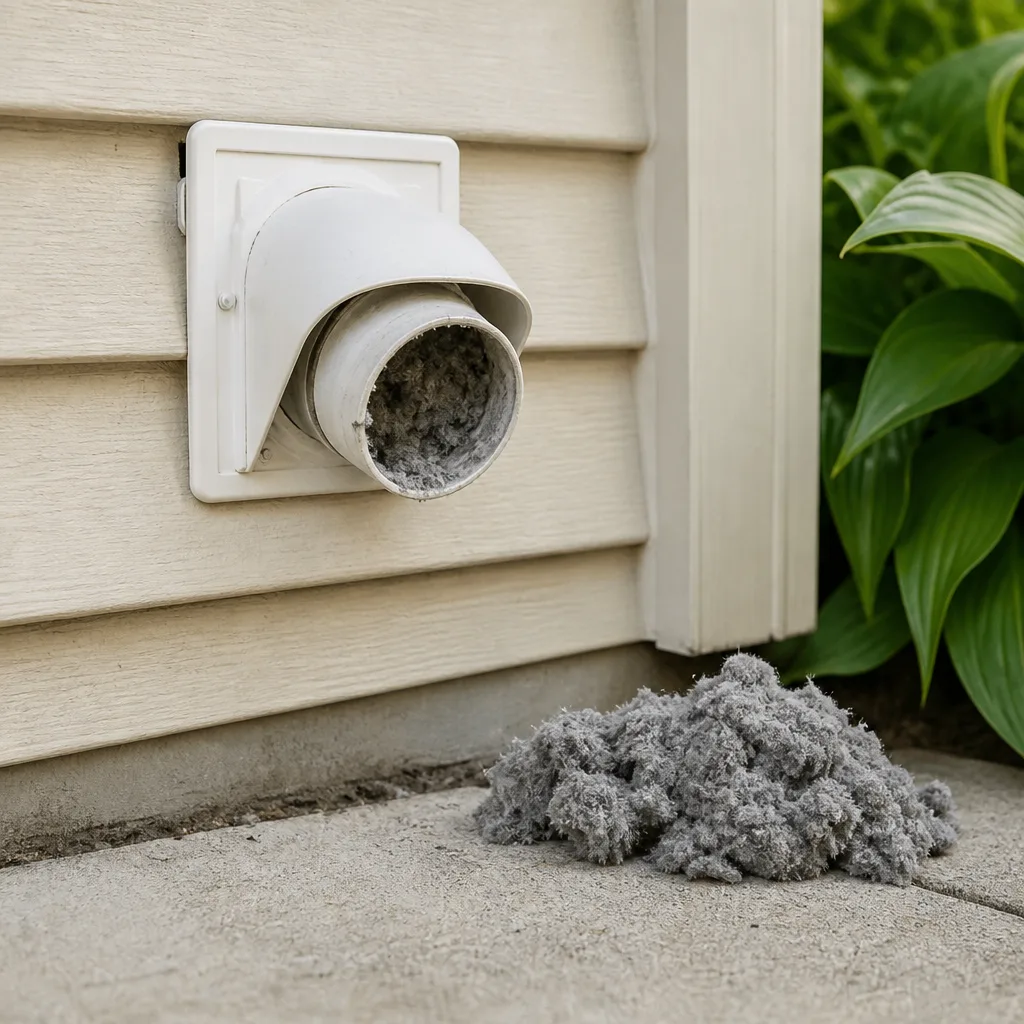
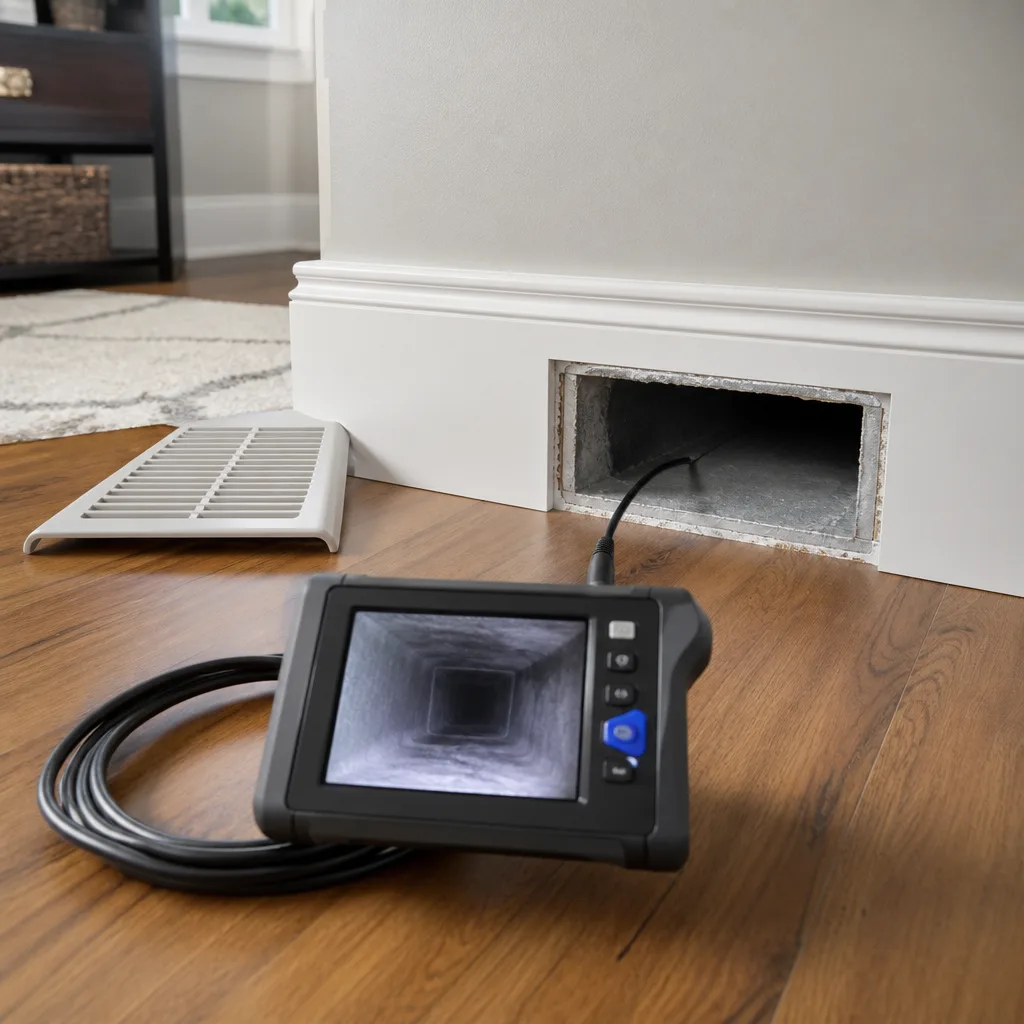
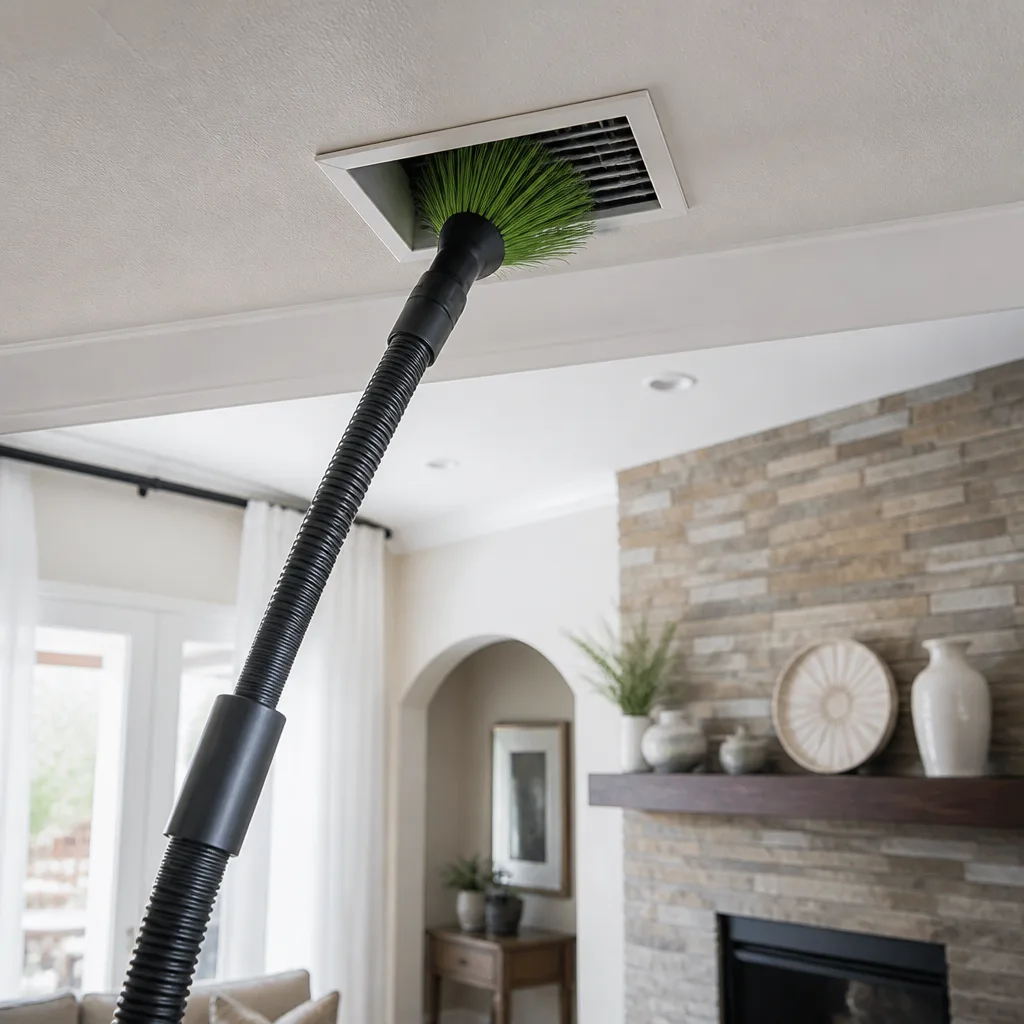
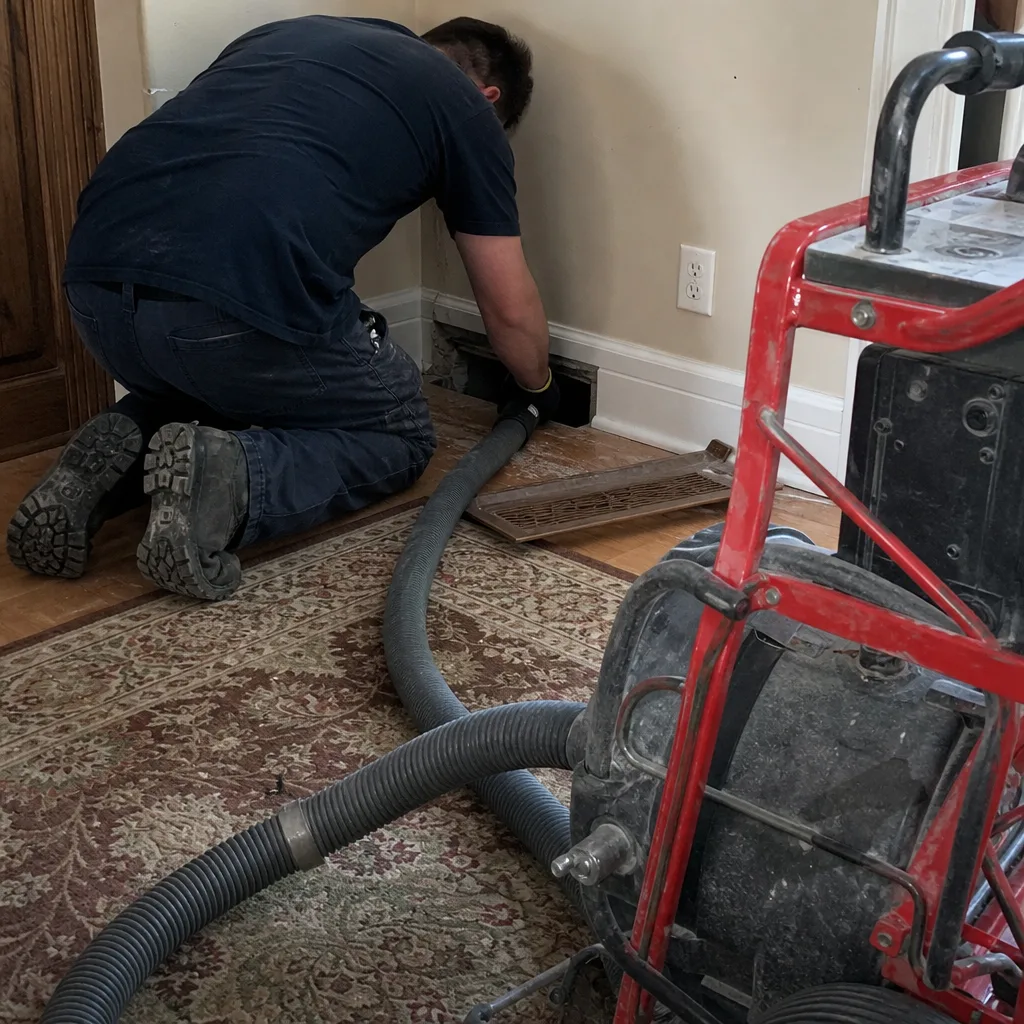 Before
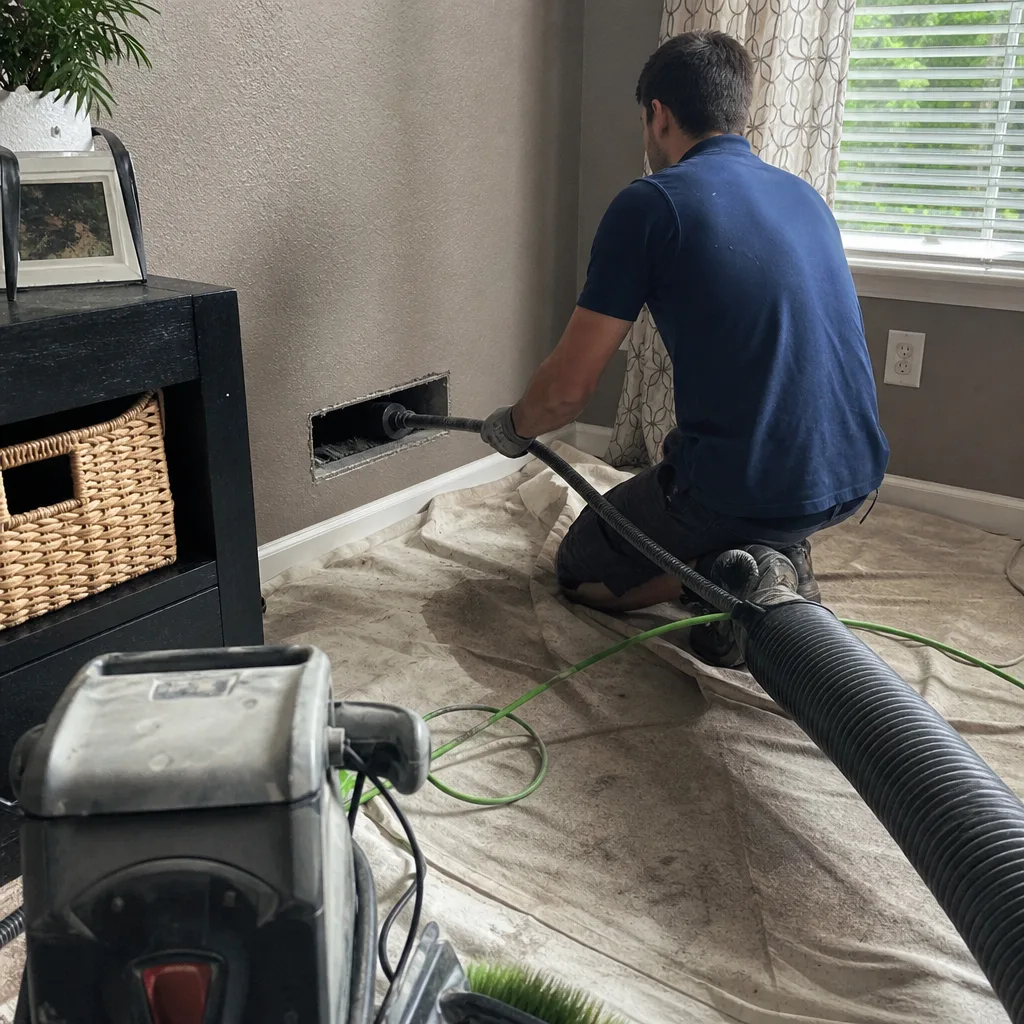 After
After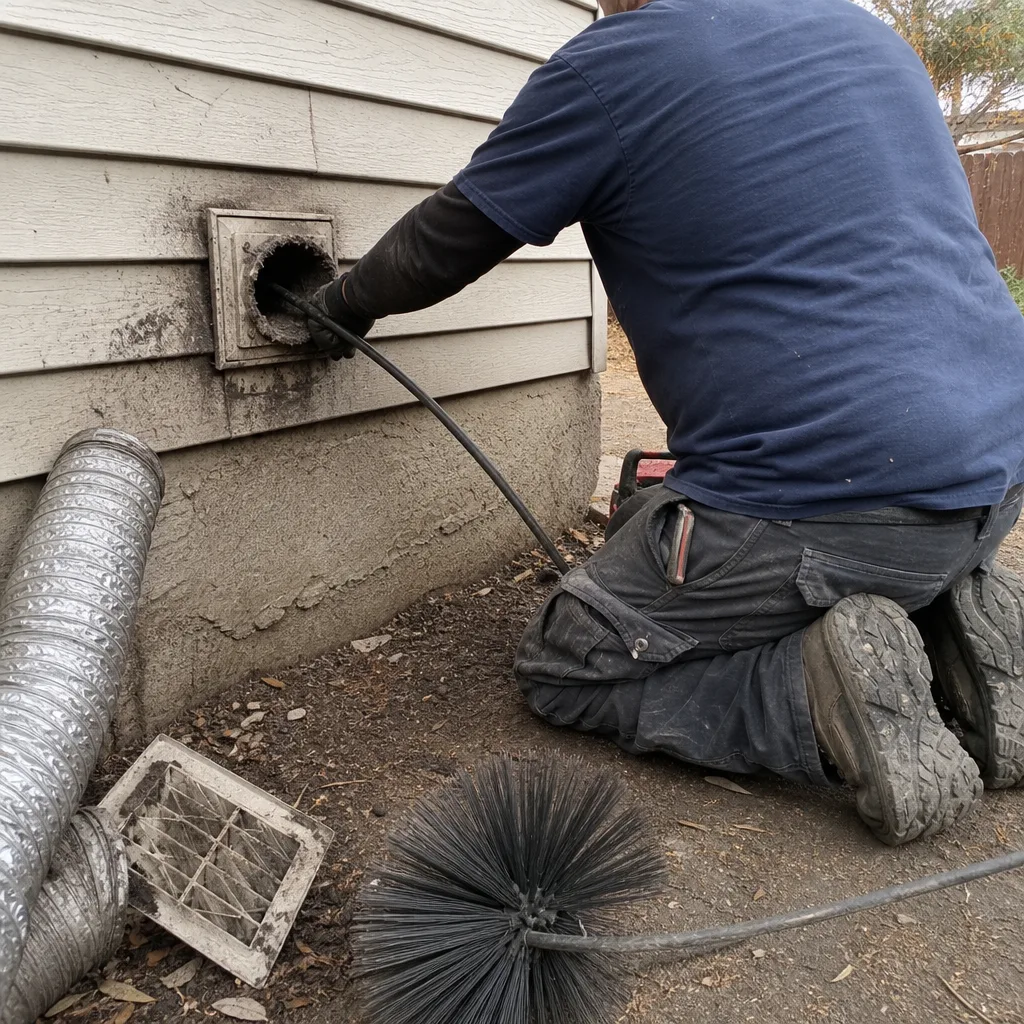 Before
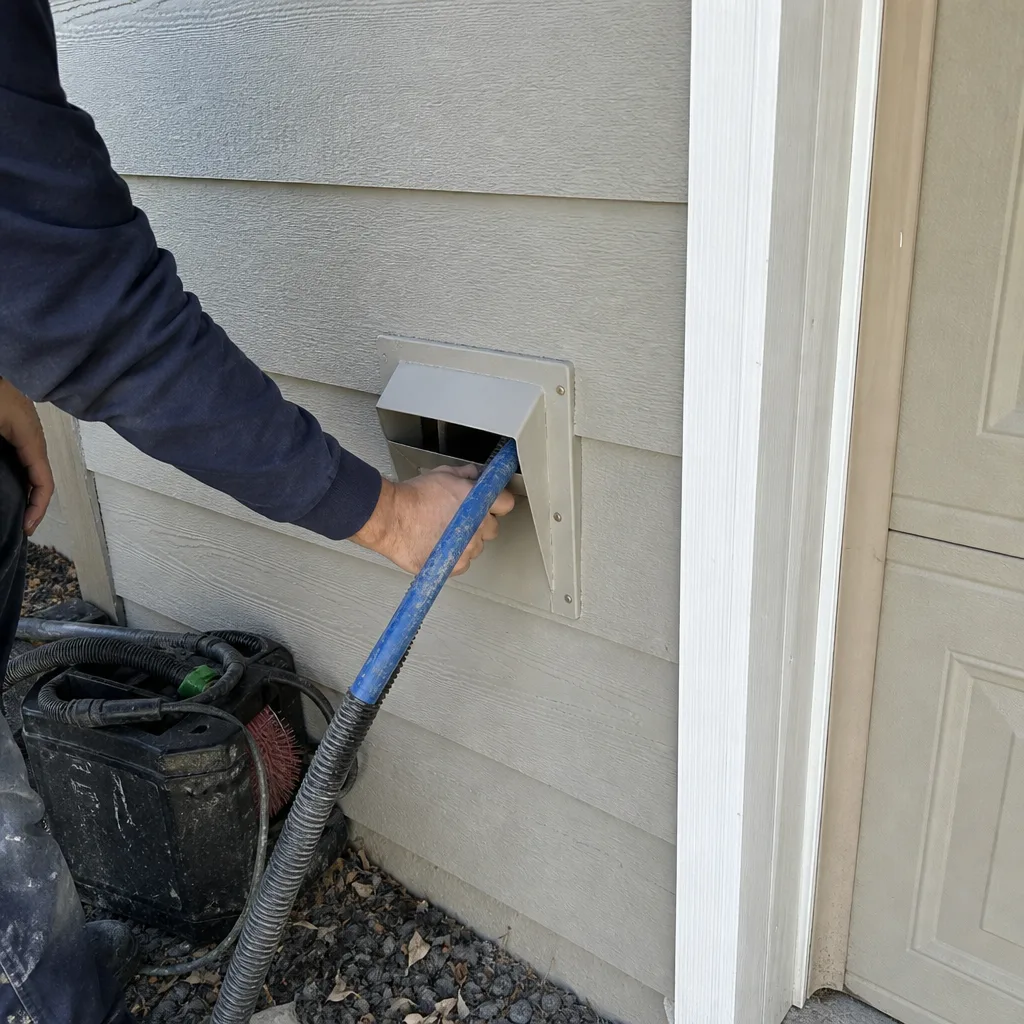 After
After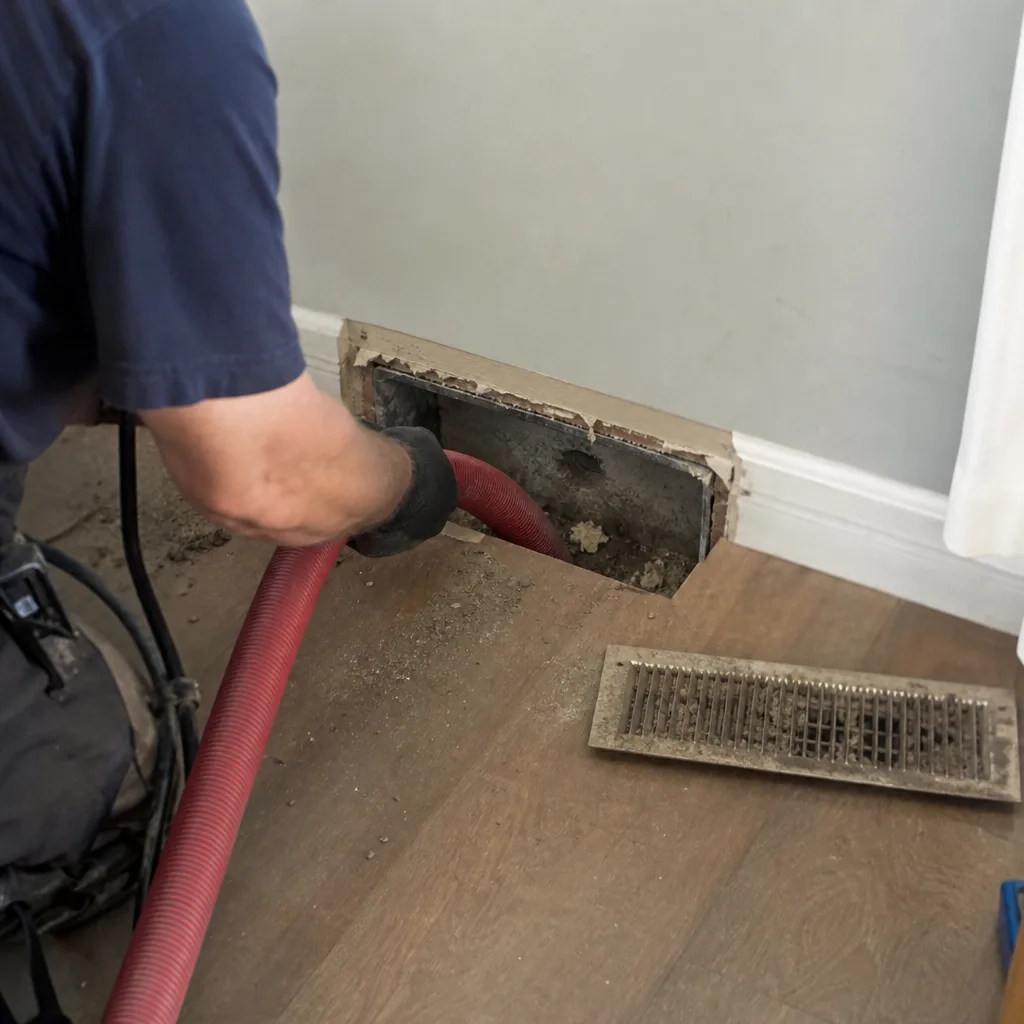 Before
 After
AfterRotobrush Vent Sanitizing: The Littleton Owner’s Guide
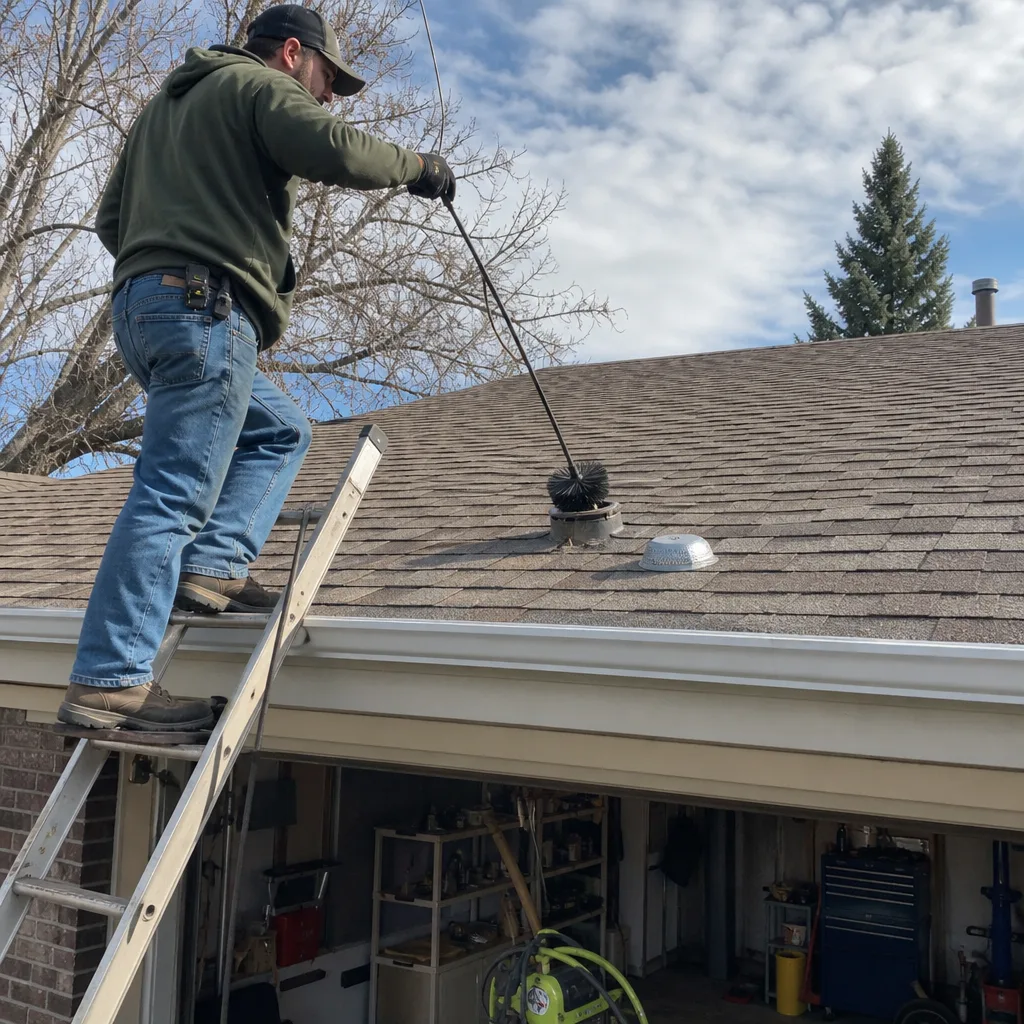
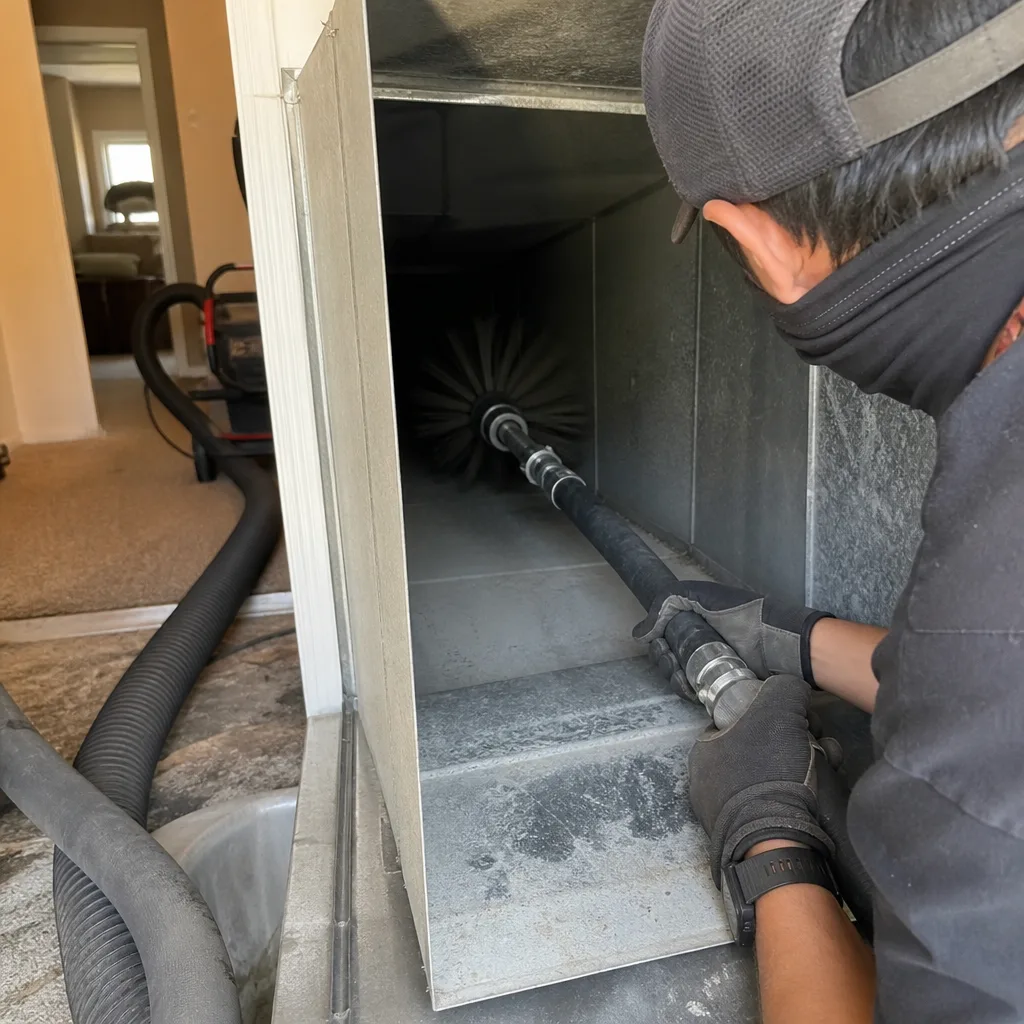
Rotobrush-compatible vent sanitizing in Littleton typically runs $340-$580 installed for a whole-system treatment, and we stock the full chemical kit and application hardware on our trucks for same-day scheduling. The service pairs a mechanical brush-and-vacuum pass through the duct run with a registered sanitizer fogged at the plenum to address microbial growth the brush can’t reach. Most Littleton homeowners realize their system needs attention when a musty smell persists after a standard cleaning, or when someone in the home with allergies sees no improvement despite new filters.
Which Rotobrush Models This Applies To
Rotobrush builds three active platform lines, and the vent sanitizing hardware differs materially between them. The Classic and Classic II units use a lower-volume solution pump rated for water-based sanitizers only; push an oil-based or quaternary ammonium compound through that pump and you’ll degrade the seals inside two or three jobs. The BrushBeast and BrushBeast II run a higher-pressure diaphragm pump with PTFE seals that handle both water-based and hybrid solutions, including the heavier viscosity products we see work best in Littleton’s older Columbine Knolls homes where debris loads run higher. The portable Roto-Vac line doesn’t carry onboard sanitizing hardware at all; it requires a separate applicator wand we keep in stock.
To identify your unit, check the yellow specification label on the motor housing, not the cart frame; frames get swapped between generations. The label lists model, serial, and pump PSI rating. For the Classic series, we stock OEM Rotobrush sanitizer concentrate (part R-1100 series) and a compatible aftermarket equivalent from Guardsman that meets the same EPA registration for roughly 15% less per gallon. For BrushBeast units, we stock both the Rotobrush-branded solution and the Nikro SV2000 kit, which threads directly onto the existing quick-connect without adapter hardware. We don’t recommend the universal-fit aftermarket pumps sold through general HVAC suppliers; we’ve seen three fail mid-job in Littleton due to altitude-related cavitation at 5,400 feet.
Signs Your Rotobrush Vent Sanitizing Is Failing
- Persistent musty odor after brushing. The mechanical brush dislodges debris but doesn’t kill mold or bacterial colonies embedded in porous duct liner. If the smell returns within 48 hours, the sanitizer either wasn’t applied, was diluted incorrectly, or the pump failed to atomize it properly.
- Visible wet spots or drips at registers. This means the solution is running out as liquid rather than fog. The nozzle orifice may be clogged with crystallized concentrate, or the pump pressure has dropped below 40 PSI, which is the minimum for proper atomization in the Rotobrush system.
- Uneven coverage: some rooms smell treated, others don’t. The application hose on Classic units is prone to kinking at the reel hub. We inspect this first on every call in Littleton because the dry climate here makes the hose jacket brittle after about 18 months of truck storage.
- Pump runs but no solution flows. The pickup tube inside the concentrate jug has a weighted foot that can detach. Simple fix if you catch it, but we’ve also seen the diaphragm rupture on BrushBeast units after running sanitizer through without the manufacturer-recommended water flush at job’s end.
- Technician reports “sanitizer not available” mid-job. This is a parts-availability failure, not a mechanical one. Some operators in the Denver metro run brush-only to keep costs down. We don’t. The sanitizer kit lives on our truck permanently.
BeforeAfterReplacement Cost & What’s Included
For Littleton homeowners, vent sanitizing with Rotobrush-compatible equipment runs $340-$580 for a complete system, depending on duct count and whether the plenum requires separate access. That range includes the chemical concentrate, pump wear-items if needed, labor, and the documented photo record of every treated run delivered to you before we leave. Homes in the Ken Caryl Valley area with finished basements and extended duct networks sometimes land at the upper end; single-level ranches in Columbine Knolls typically fall mid-range.
We publish our price sheet because Haven Standard Clause 1 requires a written price before any work starts. The $340-$580 is a flat per-system rate, not per-vent. If your Rotobrush pump needs replacement hardware during the job, we stock the OEM diaphragm kit and the Guardsman-compatible seal set on the truck; either adds $85-$140 to the total, and we show you the failed part before quoting the add-on. Every sanitizing job carries our 365-Day Done Right Promise in writing. The camera doesn’t negotiate - it just shows what’s there.
DIY or Call Us?
What you can safely check yourself: verify the yellow model label, confirm the solution jug isn’t empty, and inspect the application hose for kinks or cracks. These three checks solve about 30% of the “sanitizer not working” calls we get.
Where DIY goes wrong: the sanitizer chemicals are registered pesticides under EPA guidelines, and the concentrated form requires proper PPE and ventilation calculation per the label. More critically, applying liquid sanitizer instead of properly atomized fog creates pooled solution inside ductwork, which corrodes galvanized steel and saturates fiberboard plenums. We’ve replaced duct sections in Littleton homes where homeowners ran grocery-store “duct fogger” cans through the system and destroyed the liner. The Rotobrush pump calibration matters; we pressure-test before every job. If your unit isn’t atomizing correctly, call (720) 315-7291. We’ll quote the repair or the full service in writing before we touch anything.
FAQs
In Littleton’s dry climate, a properly applied treatment typically remains effective for 12 to 18 months before microbial load rebuilds in the duct liner. Homes with evaporative coolers instead of central AC may see shorter intervals because the higher humidity supports faster regrowth. Call (720) 315-7291 and we’ll schedule a free re-inspection if you’re unsure whether it’s time.
Diaphragm and seal kits are available for most Rotobrush pump heads, and we carry them on the truck. If the motor housing is cracked or the pressure switch has failed, replacement is the only reliable fix. We show you the damaged component and quote both options in writing before proceeding.
A pump replacement or full sanitizing service on a typical Littleton home takes 90 to 150 minutes, including the brush pass, sanitizer application, and photo documentation of every treated run. Extended systems with basement additions or multiple plenums may run longer; we quote time estimates along with the written price.
We stock the full Rotobrush-compatible chemical line, the Guardsman and Nikro equivalent kits, replacement diaphragms, seals, application nozzles, and hose assemblies on every service truck. CleanRun Duct Repair & Cleaning is an independent service provider with no affiliation to Rotobrush International; we source parts through verified HVAC trade distributors and keep inventory based on what fails most often in the field. If you need a part we don’t have, we’ll tell you before we schedule, not after we arrive.
CleanRun also stocks parts and performs service for Lennox, Trane, and Carrier systems.
Ready to get your ducts documented, sanitized, and backed in writing? Call (720) 315-7291 for a free estimate with a flat price delivered before any work starts. Our crew serves Littleton and nearby areas with background-checked, uniformed technicians operating under the H.A.V.E.N. Standard.
Written by Tomas Reyes, Owner, CleanRun Air Duct Cleaning Littleton at CleanRun Air Duct Cleaning Littleton, serving Littleton and nearby areas.