
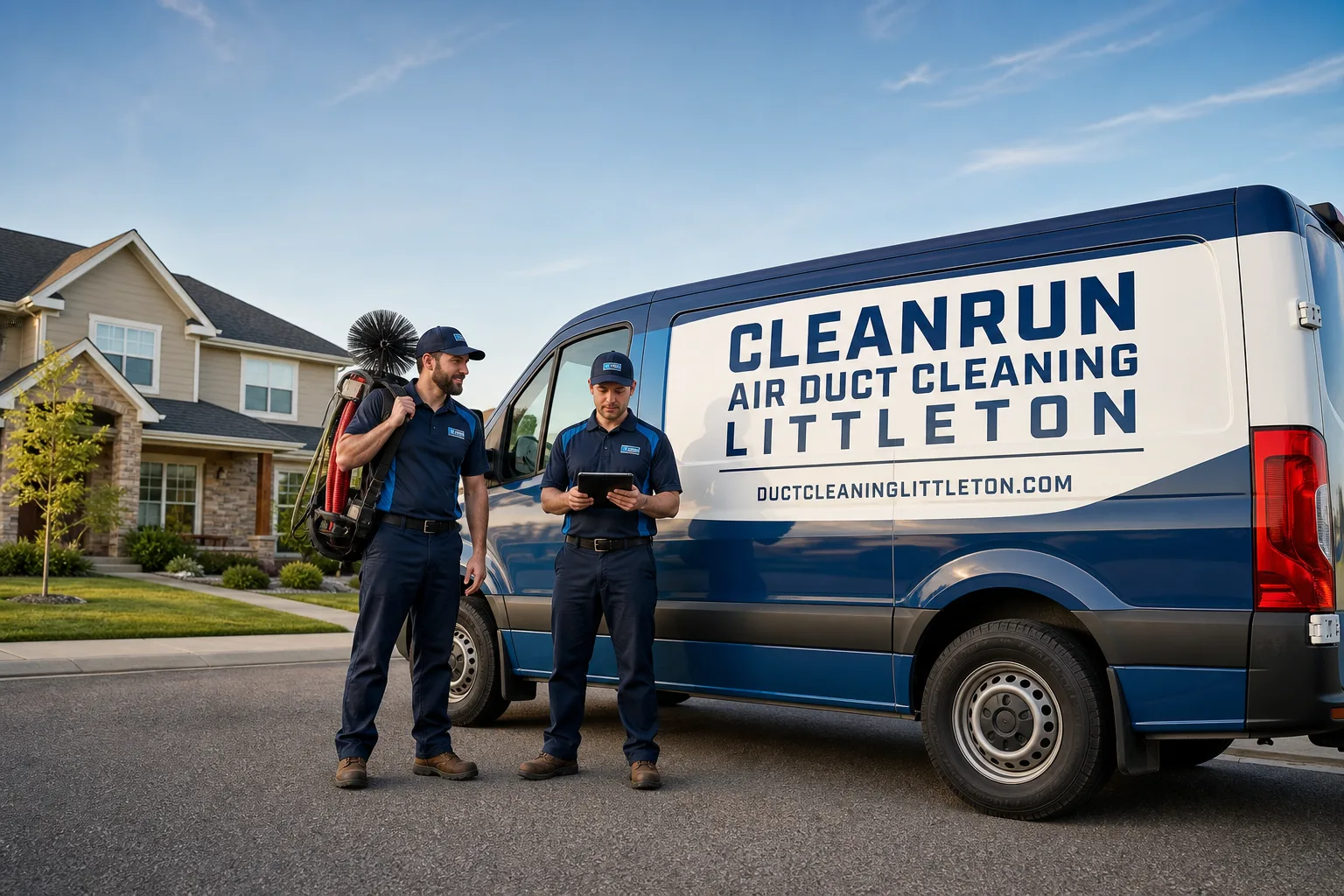
Whole-system duct and dryer vent check with before-and-after photos - you see exactly what came out of your vents
That "$99 whole-house special" is a bait ad - the real number appears once they are in your hallway, or the "clean" is a shop-vac at the register. We photograph the inside of your ducts before and after instead.
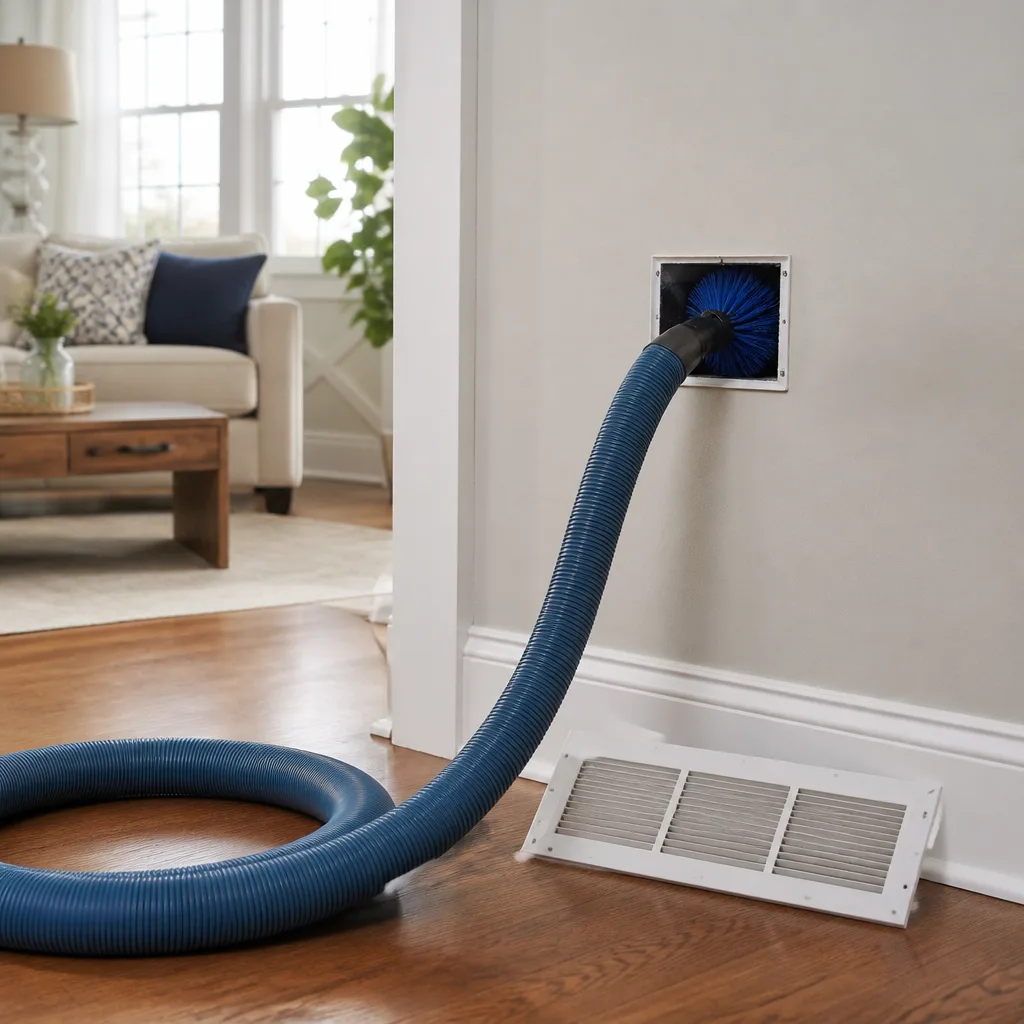
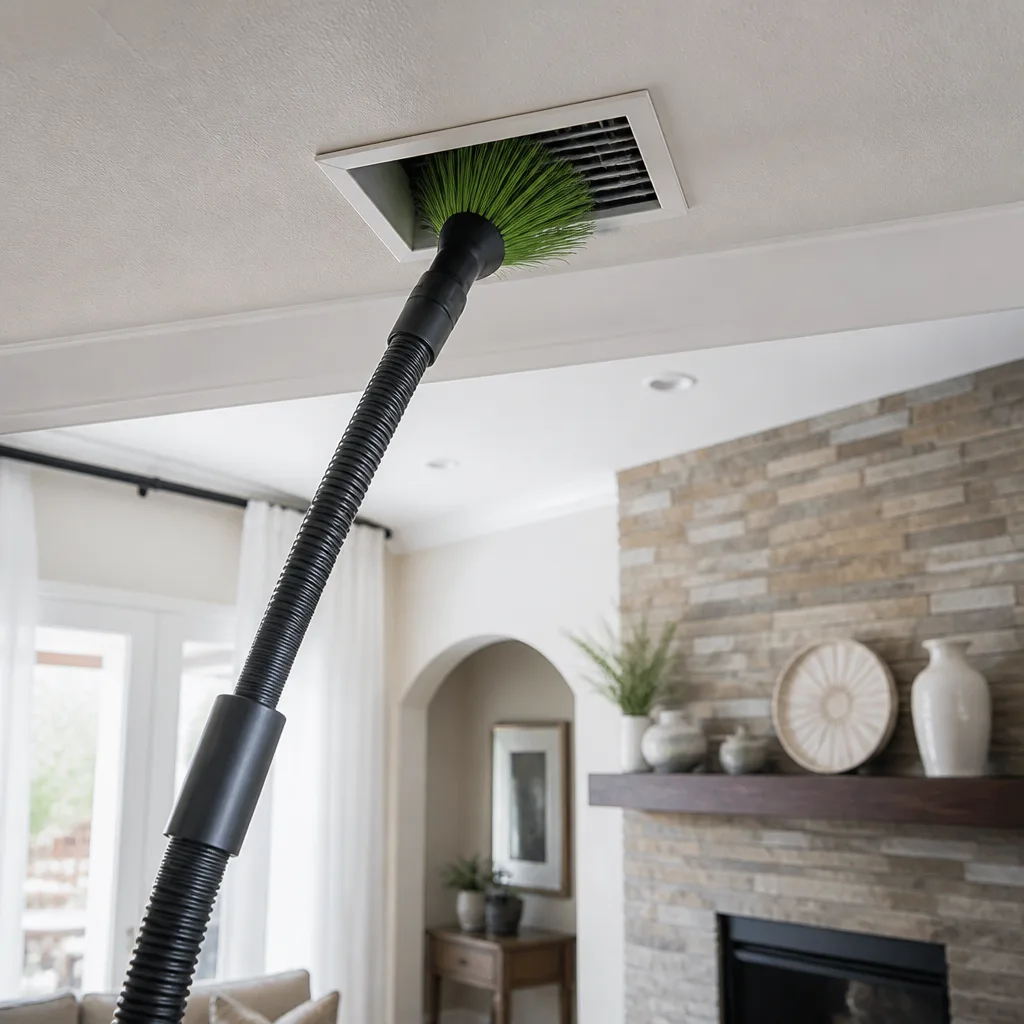
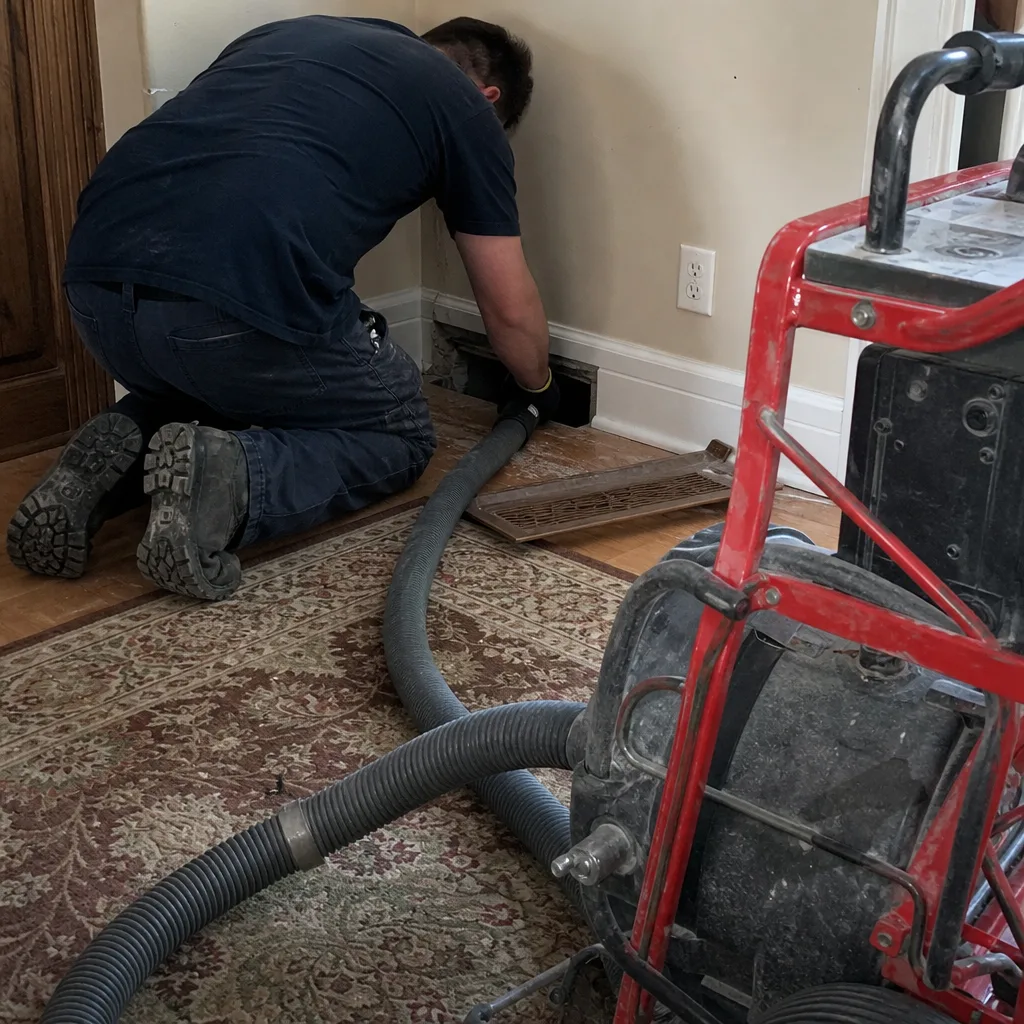 Before
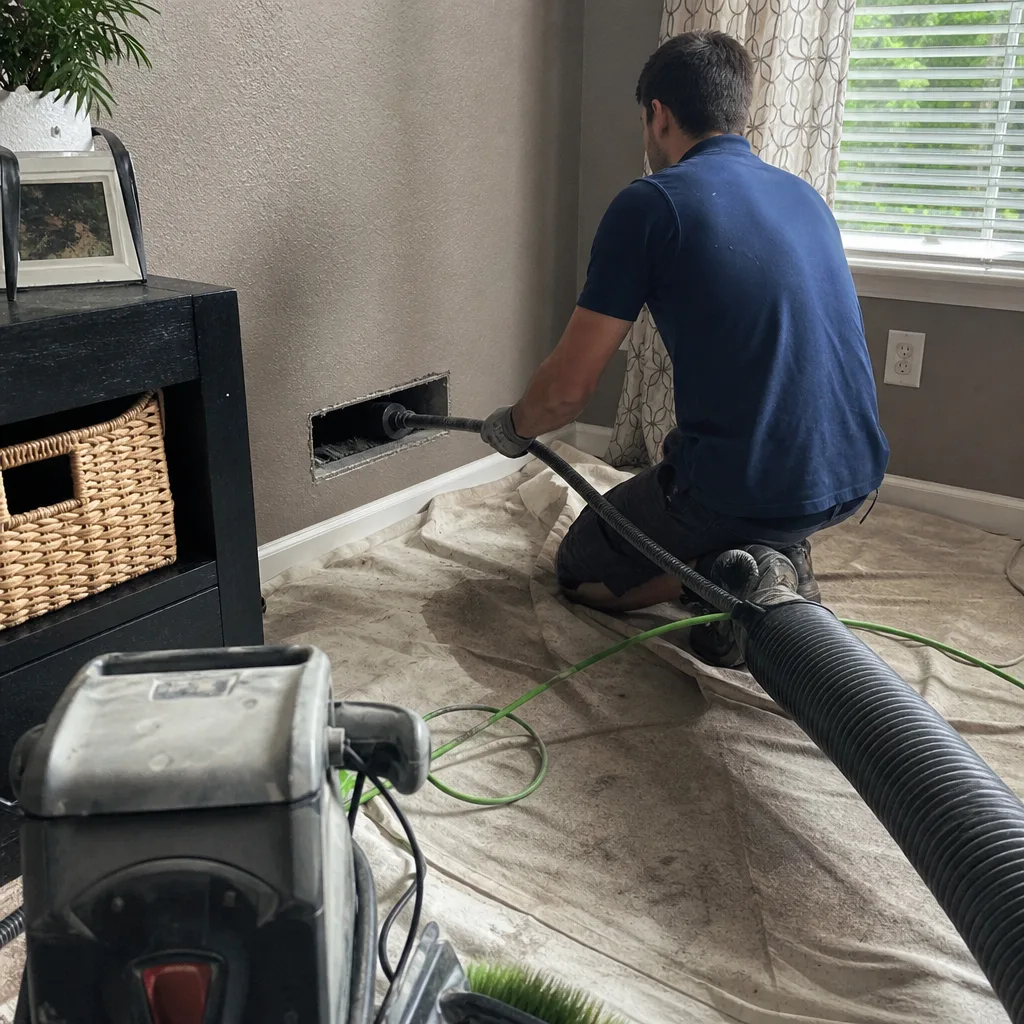 After
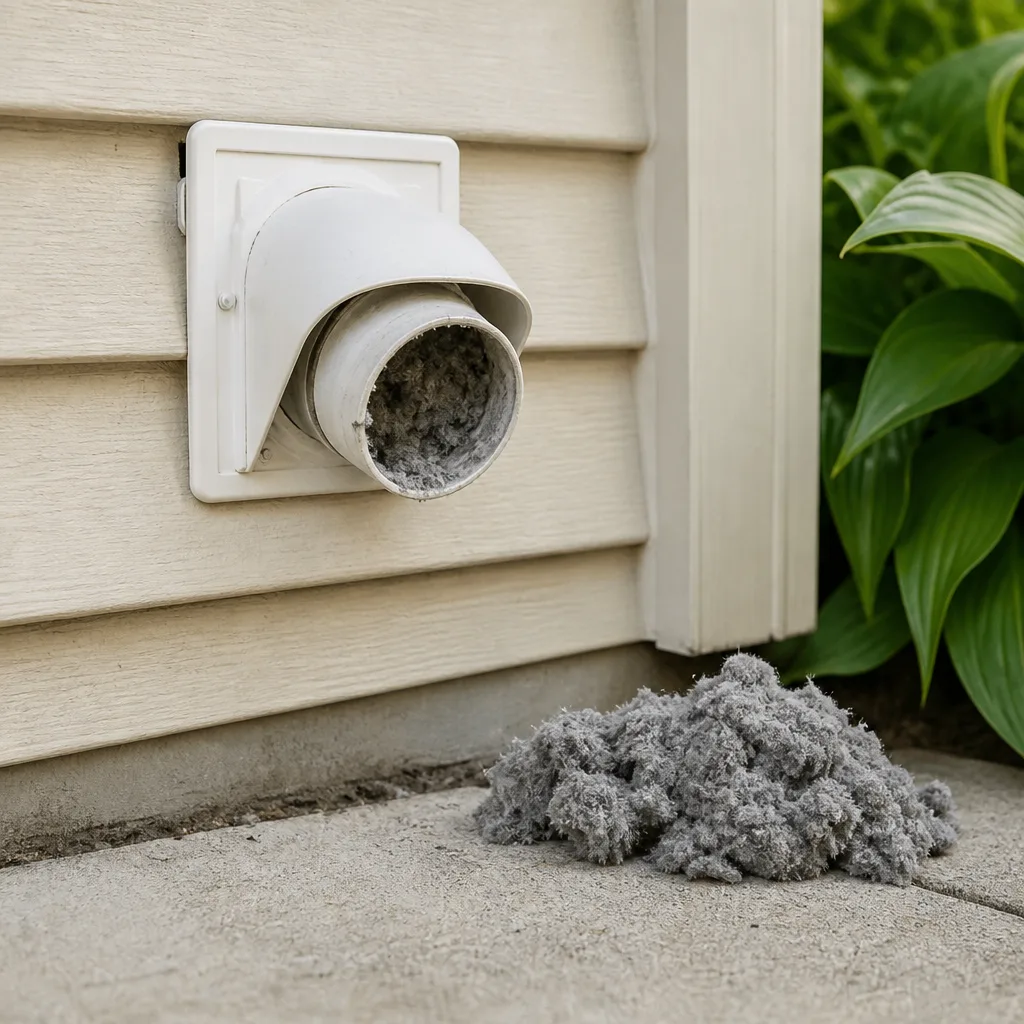
After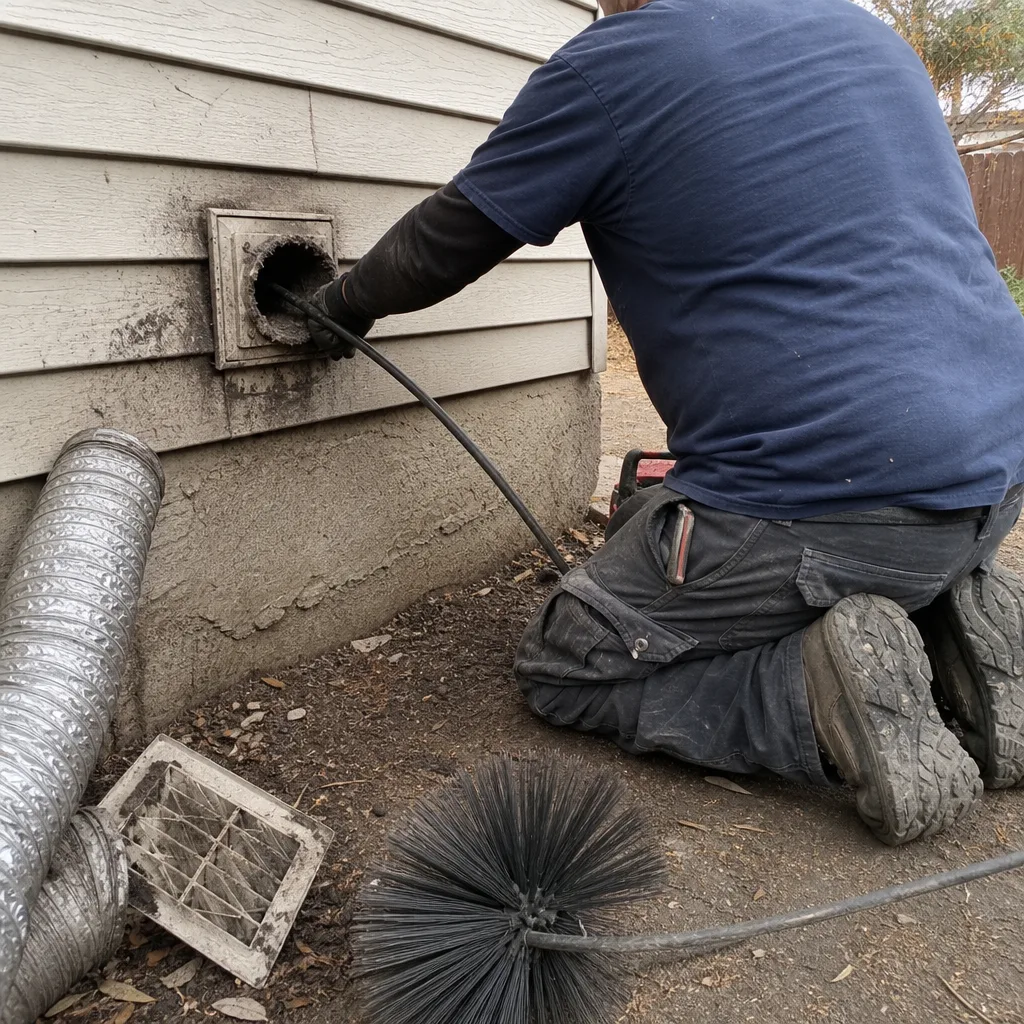 Before
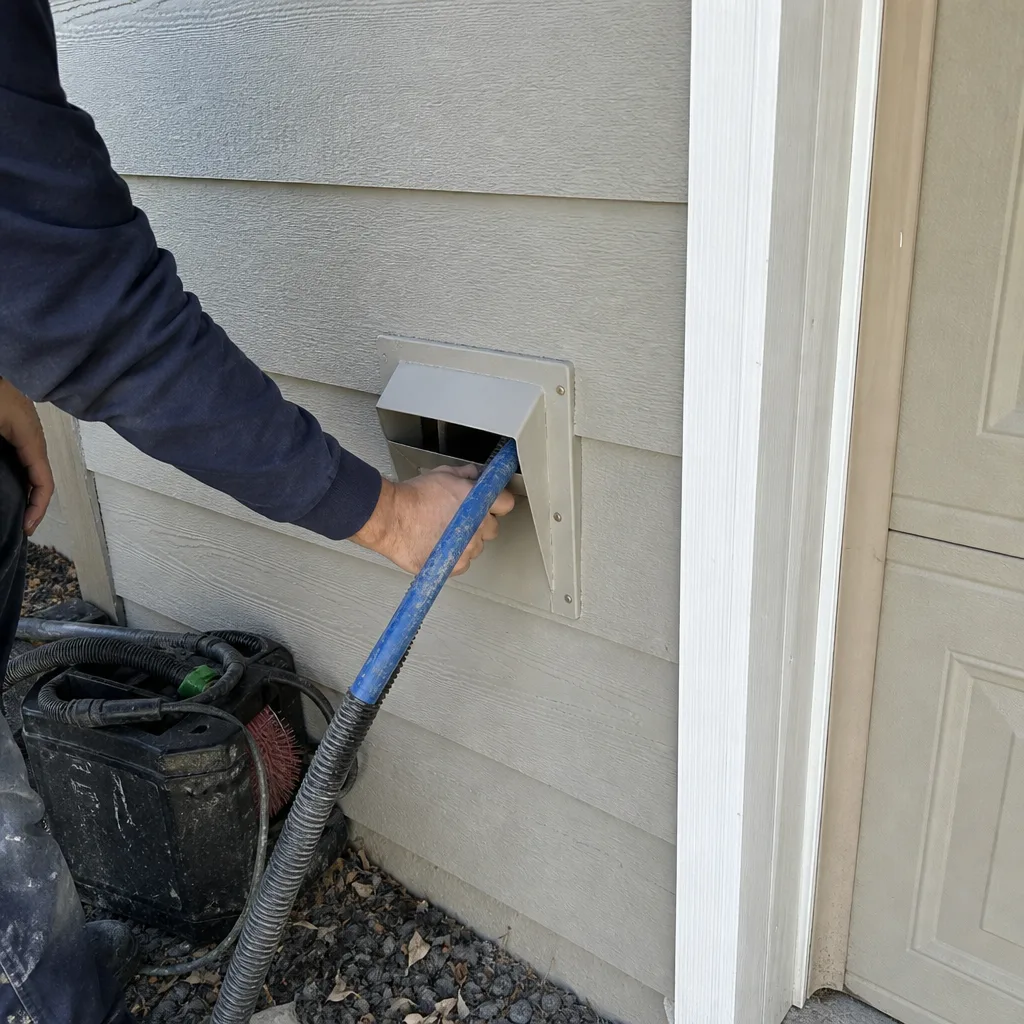 After
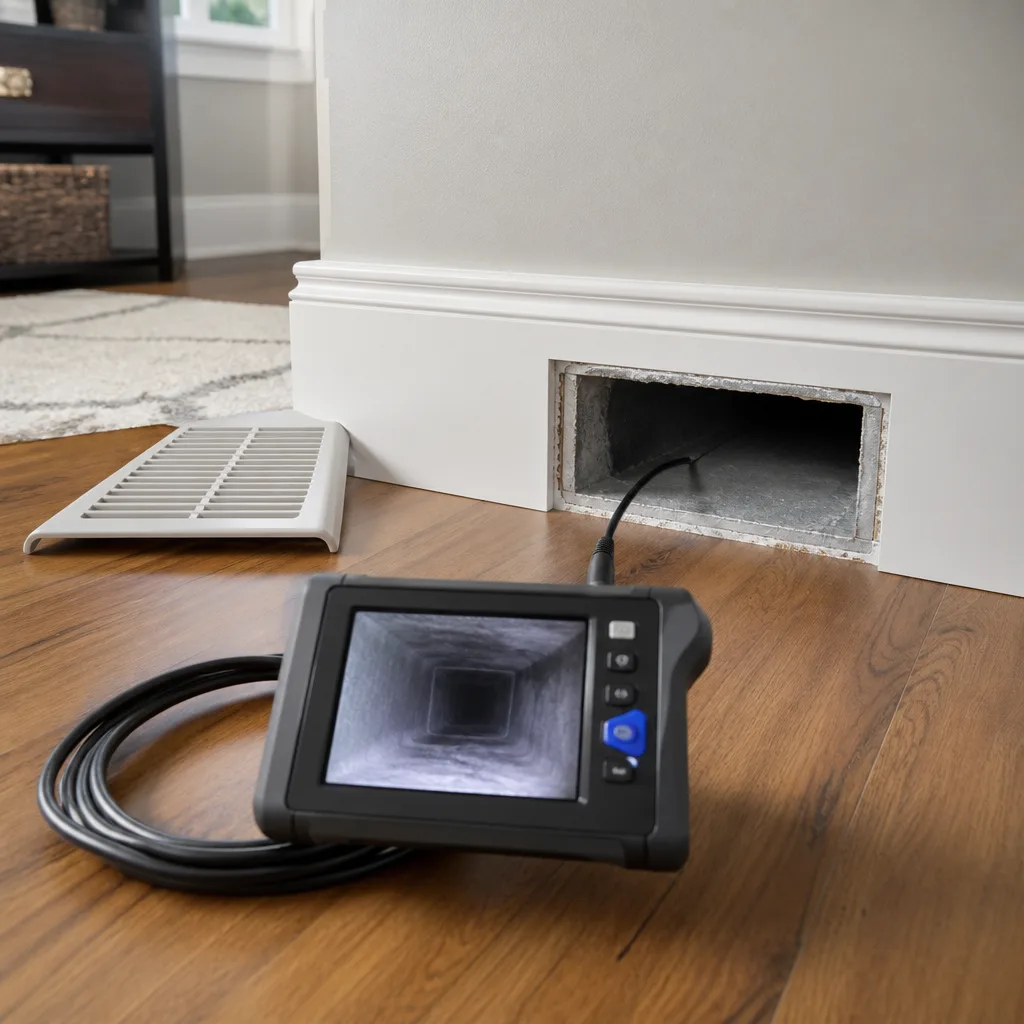
After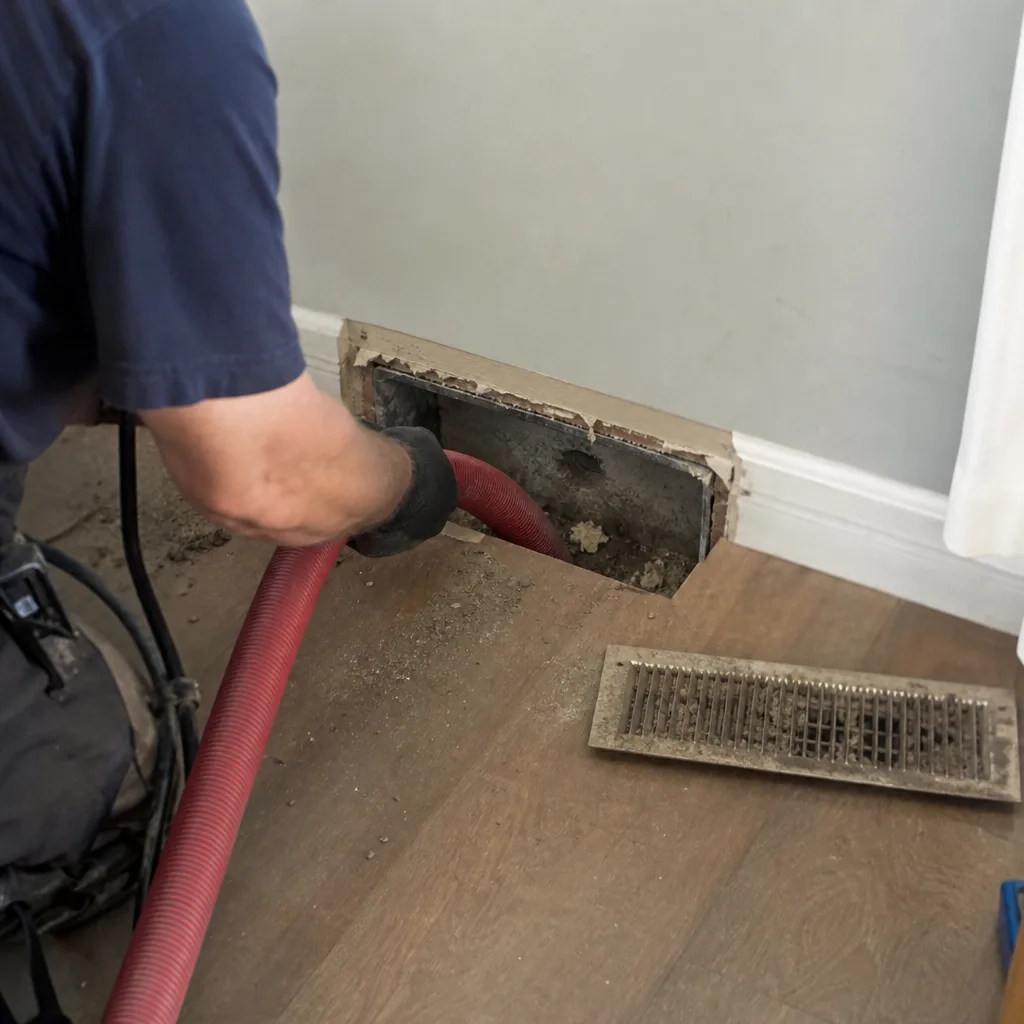 Before
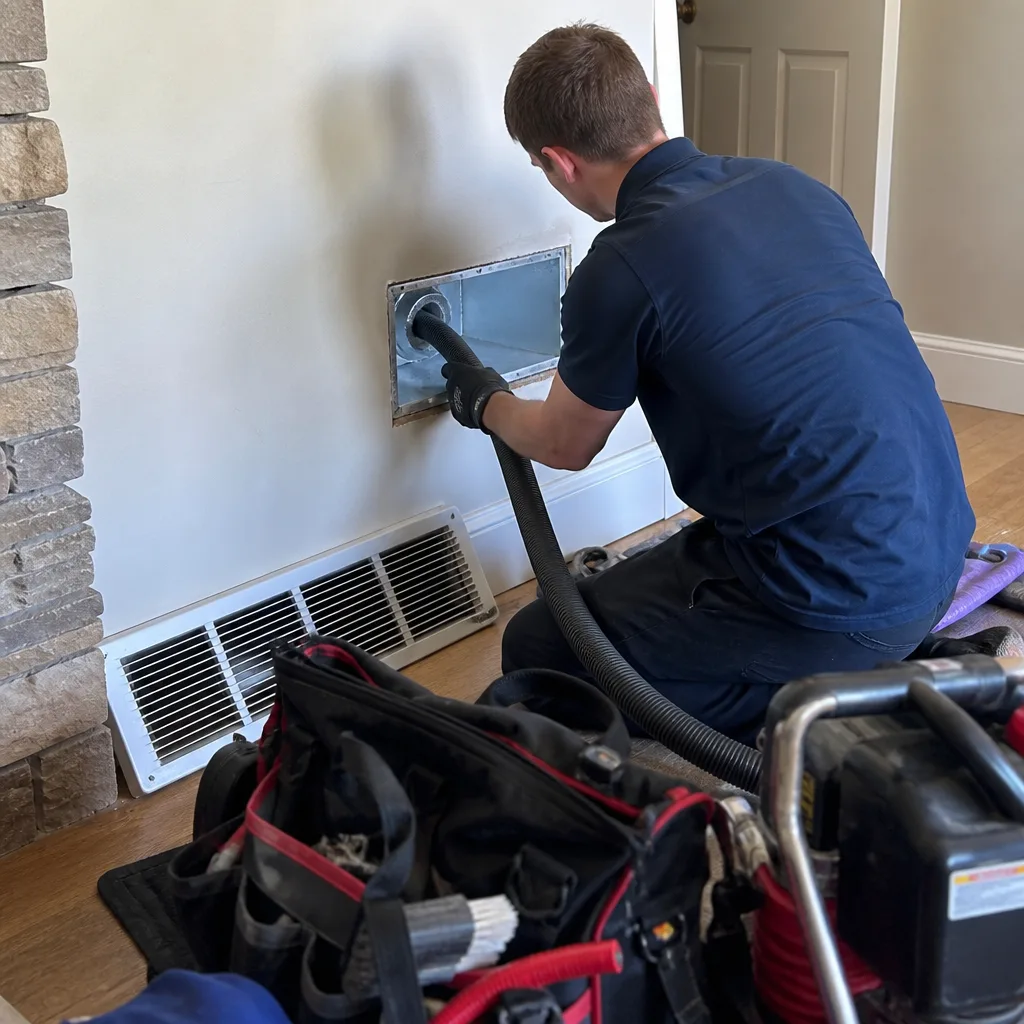 After
AfterFast, Reliable Dryer Vent Cleaning Across Denver
Dryer vent cleaning in Denver typically runs $180-$340 for a standard single-family system, with rural properties and long vent runs landing toward the higher end. Our crews dispatch from the Denver office and carry Rotobrush and Nikro equipment sized for everything from Capitol Hill row houses to acreage properties off East 120th. Call (720) 315-7291 and we’ll put a written price in front of you before any work starts.
We’re familiar with the full spread of Denver housing: 1950s Harvey Park ranches with original sheet-metal ductwork, Park Hill Denver Squares with retrofitted forced-air systems, and rural properties on gravel roads where dust loads are relentless. Each setup presents different vent geometries and different fire risks. We photograph every lint pathway before and after, so you can see what was actually in there.
Why CleanRun Air Duct Cleaning Littleton Is Denver’s Preferred Dryer Vent Cleaning Company
CleanRun has served the Denver metro since 2013. Every one of those jobs started with a written price and ended with a documented photo record of the work. No exceptions. That practice predates most competitors in this market, and it’s the reason our Denver customers tend to stay with us for annual maintenance.
Our technicians are background-checked, uniformed, and identified by name before arrival under Haven Standard Clause 3: Verified Crews. The H.A.V.E.N. Standard governs everything from how we price to how we document. You’ll know who is coming, what they will do, and what it costs before a single panel comes off your dryer.
Denver’s semi-arid climate and 5,280-foot elevation create specific vent conditions that generic national chains often miss. Our crews understand how dry, static-prone lint behaves in this environment, where it tends to accumulate, and why surface cleaning leaves the real fire hazard untouched. That local knowledge shows up in the photo record.
We answer calls with a live person, 24/7, and coordinate scheduling from our Denver office. If you have a competitor’s written estimate, we offer a Free Second Opinion at no cost. We’ll put our number next to theirs, line item by line item, and explain the difference.
Our Dryer Vent Cleaning Services in Denver
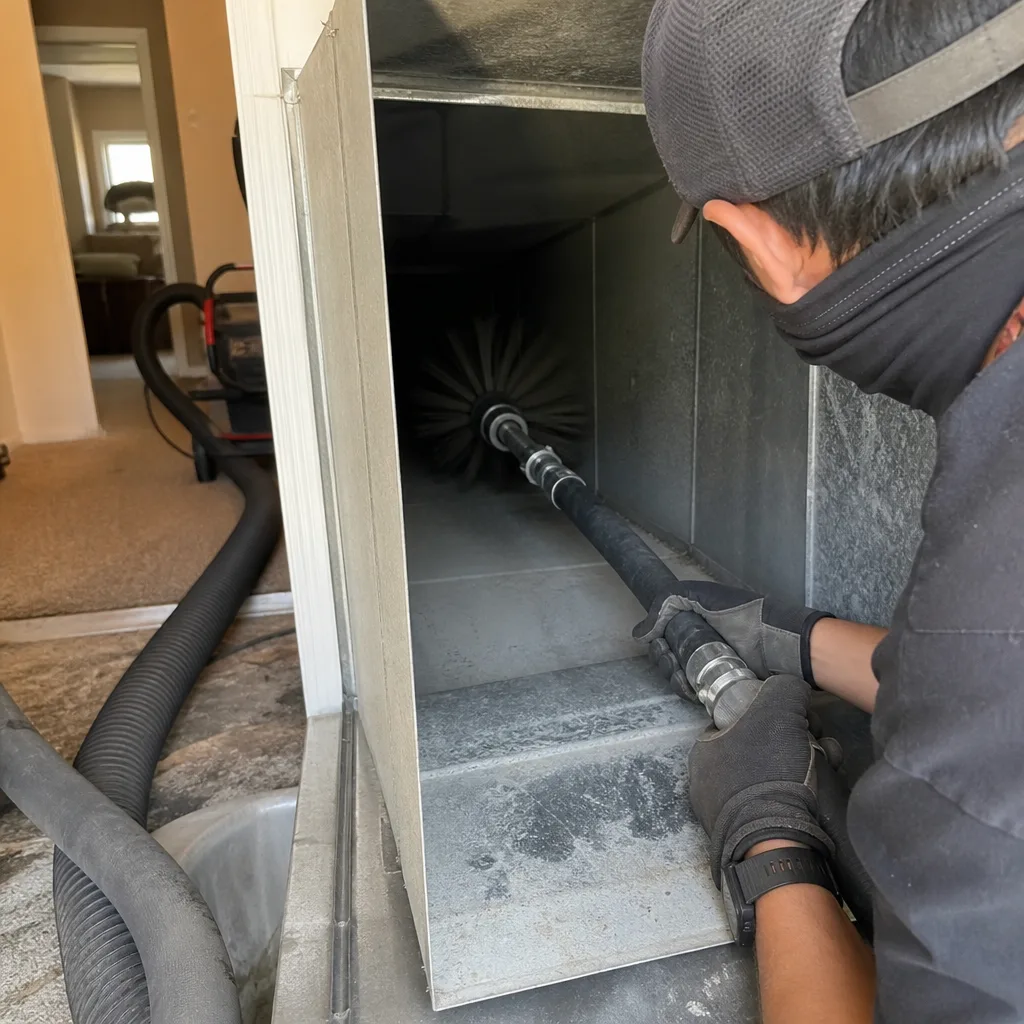
Dryer Vent Inspection
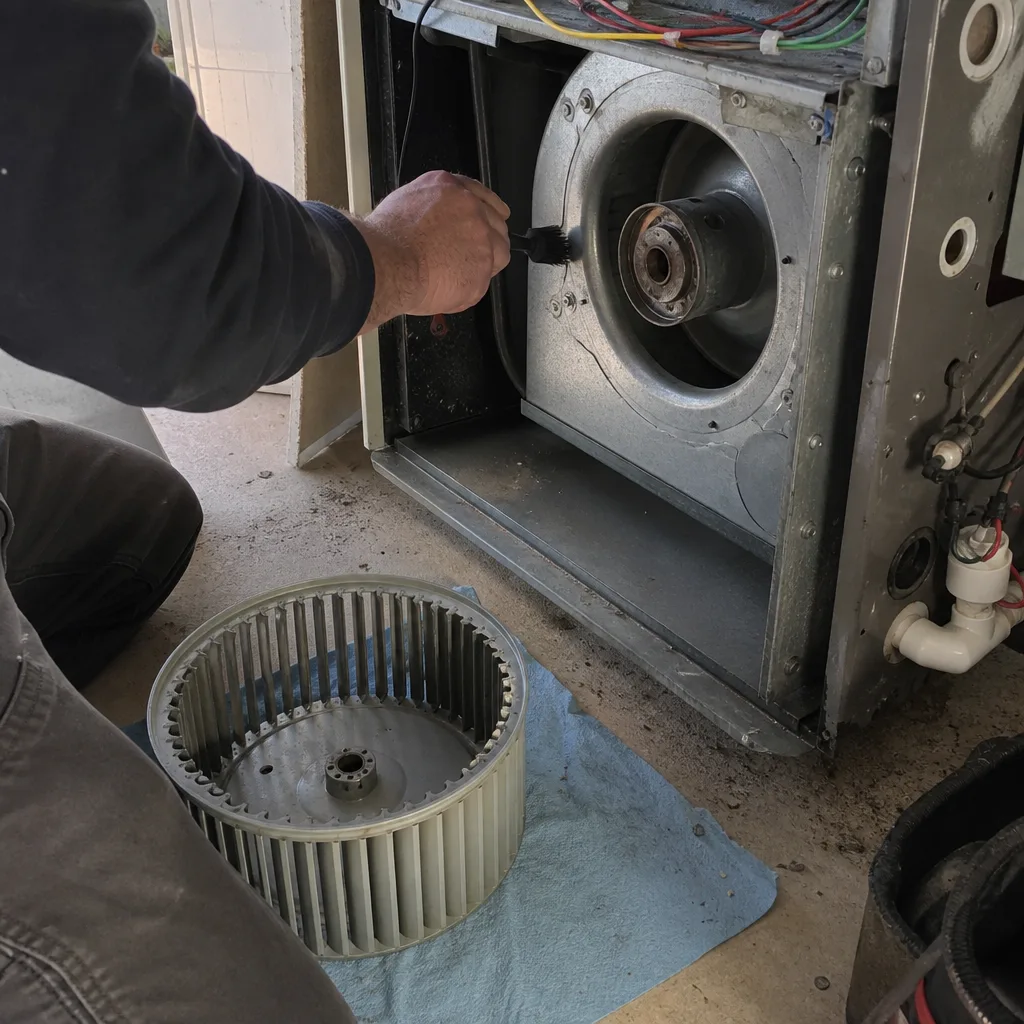
Every job begins with camera inspection of the full lint pathway, from the dryer transition duct to the exterior vent cap. In Denver’s dry climate, lint doesn’t clump and drop early; it stays powdery and travels past the first elbow, so we look deep. In Montbello and other 1970s-built neighborhoods, we regularly find flex duct installed without adequate hangers, sagging into low points where lint and debris collect. The inspection gives you a written scope and a photo record before any cleaning begins.
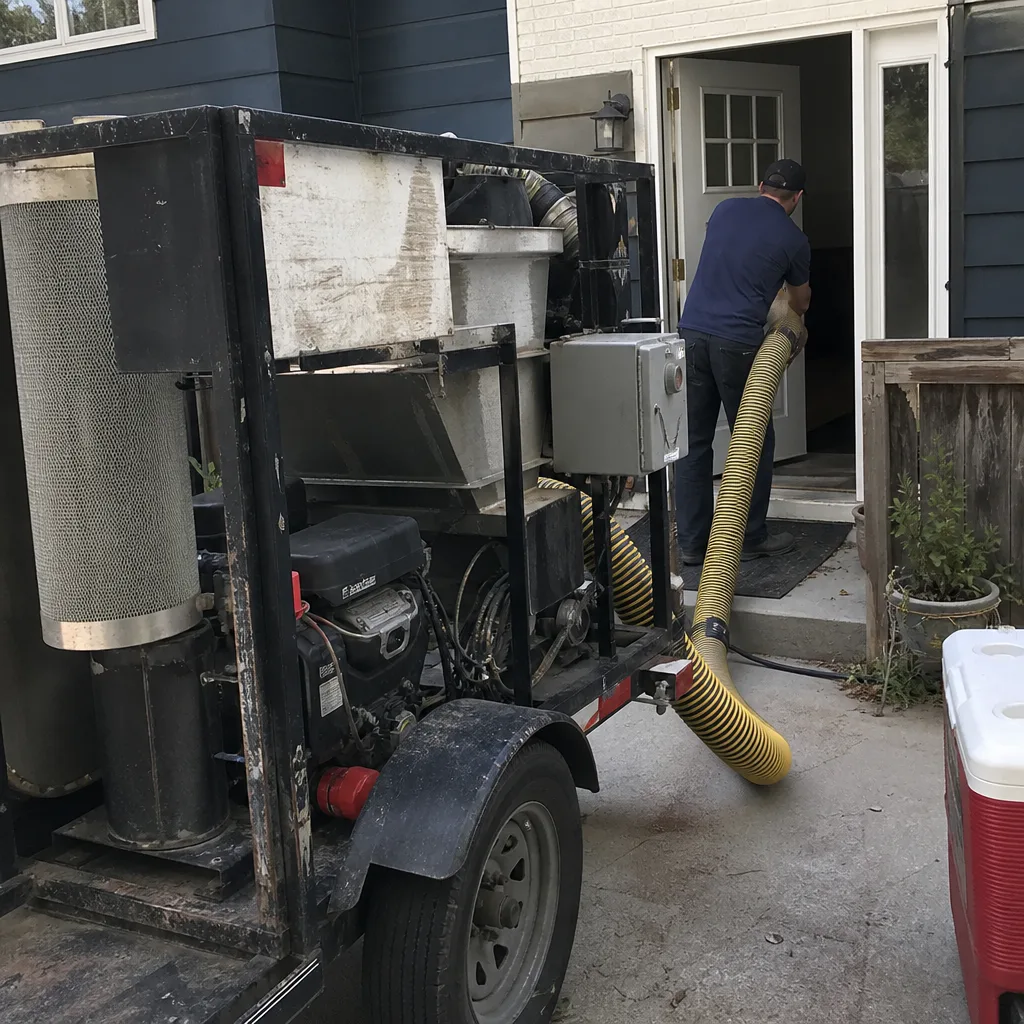
Vent Cleaning
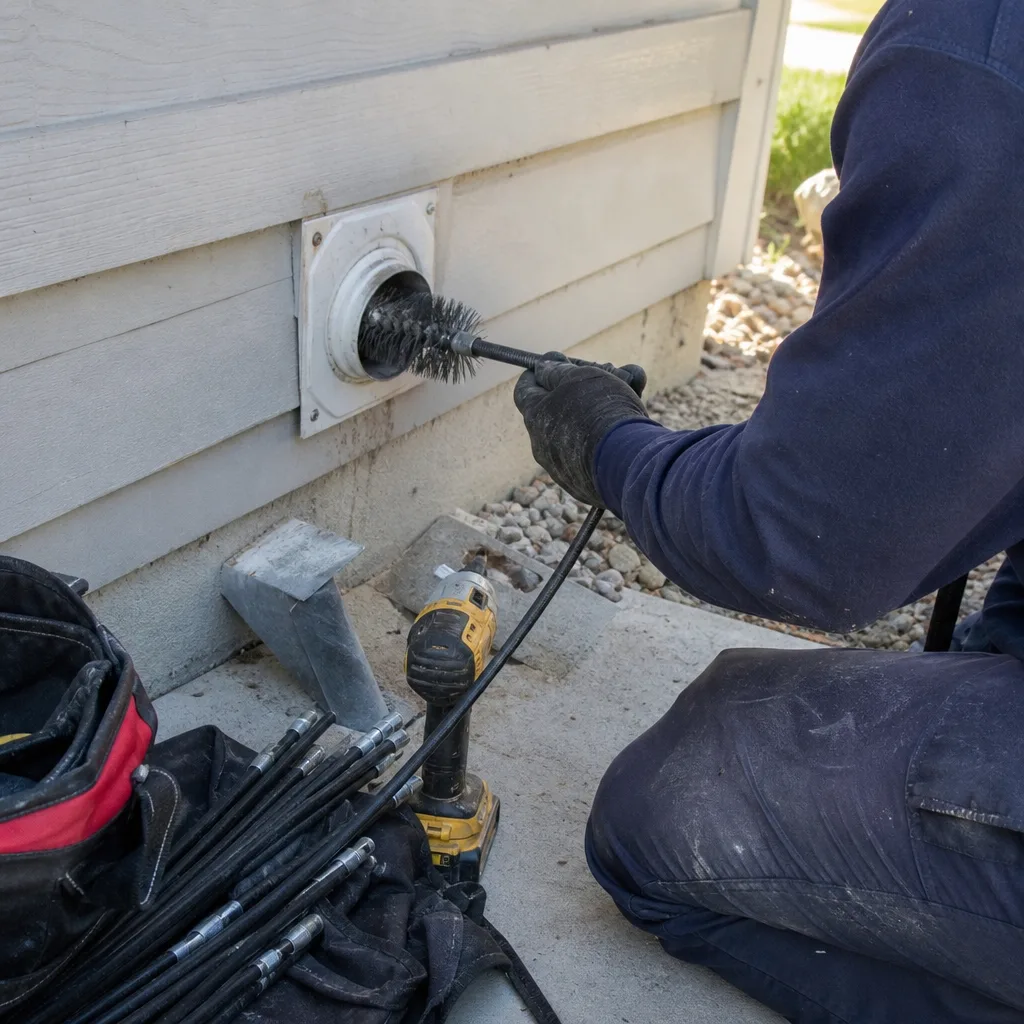
We use agitation tools and HEPA-filtered extraction to remove source contamination, not just surface lint. For Denver’s rural properties, this matters more than elsewhere. Dust from unpaved roads and open land cakes the outdoor vent cap, forcing lint to back up through the entire run. Wood-heat ash and creosote dust mix with dry lint into a flammable mat that a quick pass won’t touch. Our Dryer Vent Cleaning team documents every foot of the cleaning with before-and-after photography.
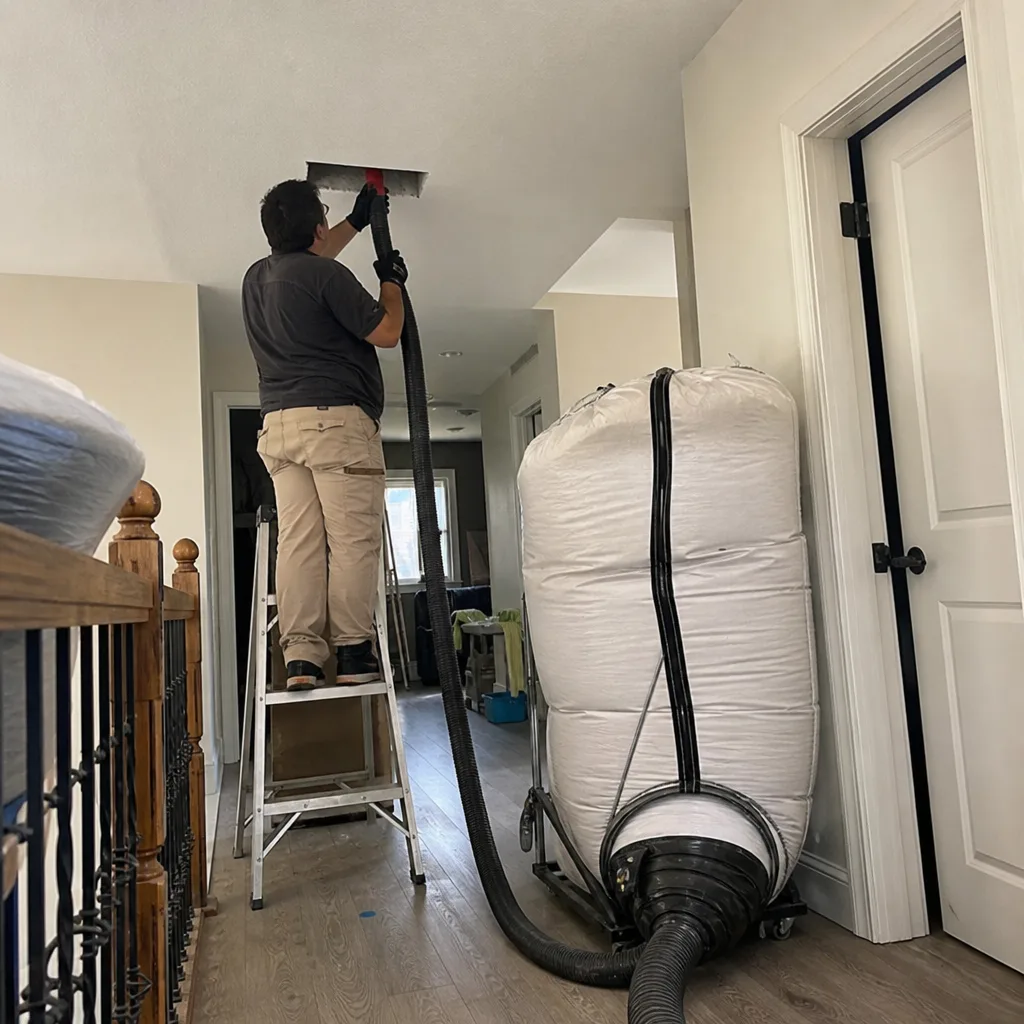
Lint Removal
Lint removal in Denver requires understanding how semi-arid conditions change the material. At roughly 14 inches of annual precipitation, Denver’s air keeps lint dry and electrostatically charged. It ignites faster than humid-climate lint and packs into dense ridges at elbows and transitions. We pull the full lint load, not just what shows at the trap or the exit. For homes near gravel roads or with wood heat, we typically recommend a shorter cleaning interval than the standard annual cycle.
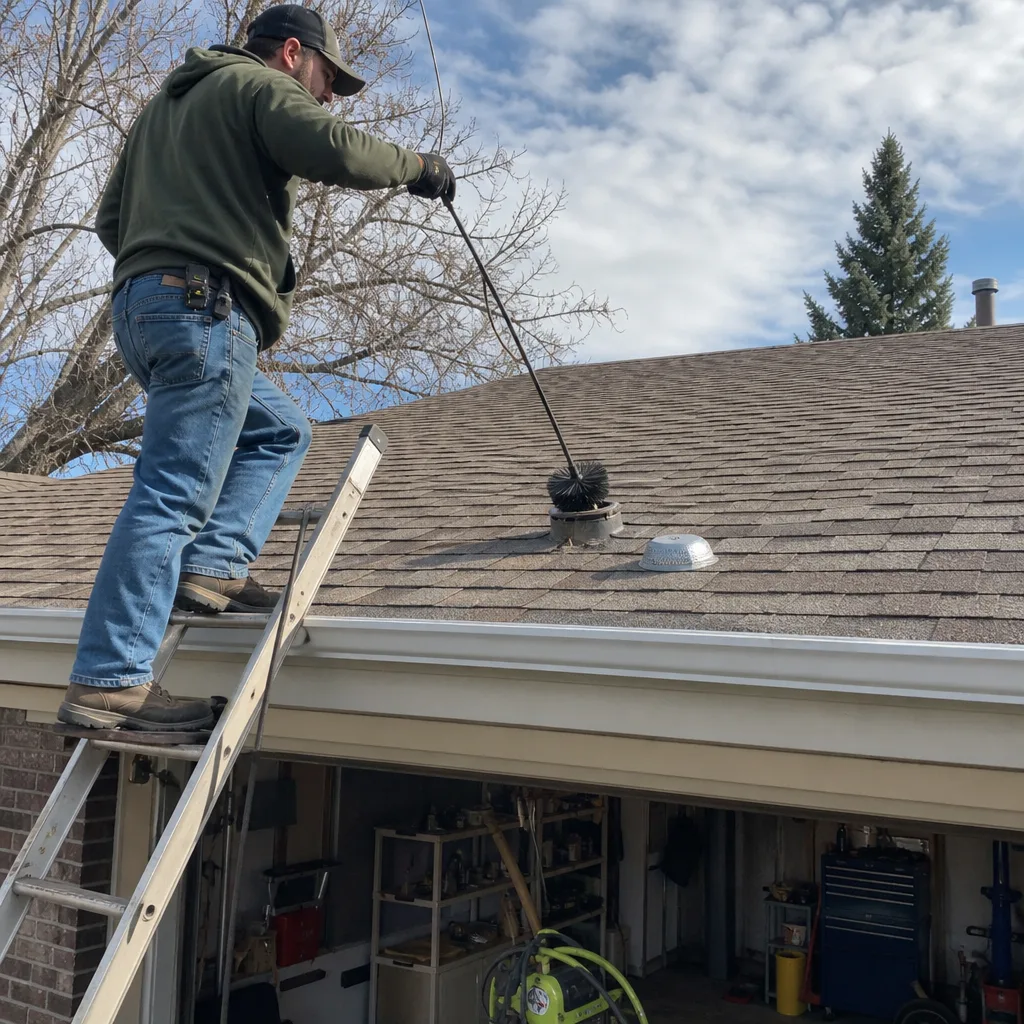
Vent Rerouting
Some Denver homes, especially retrofitted Capitol Hill and Park Hill properties, have improvised duct runs that create unnecessary elbows or excessive length. Longer runs increase static pressure and reduce airflow, which extends dry times and raises fire risk. We evaluate whether rerouting through a shorter path is practical and cost-effective, and we quote that work in writing before starting.
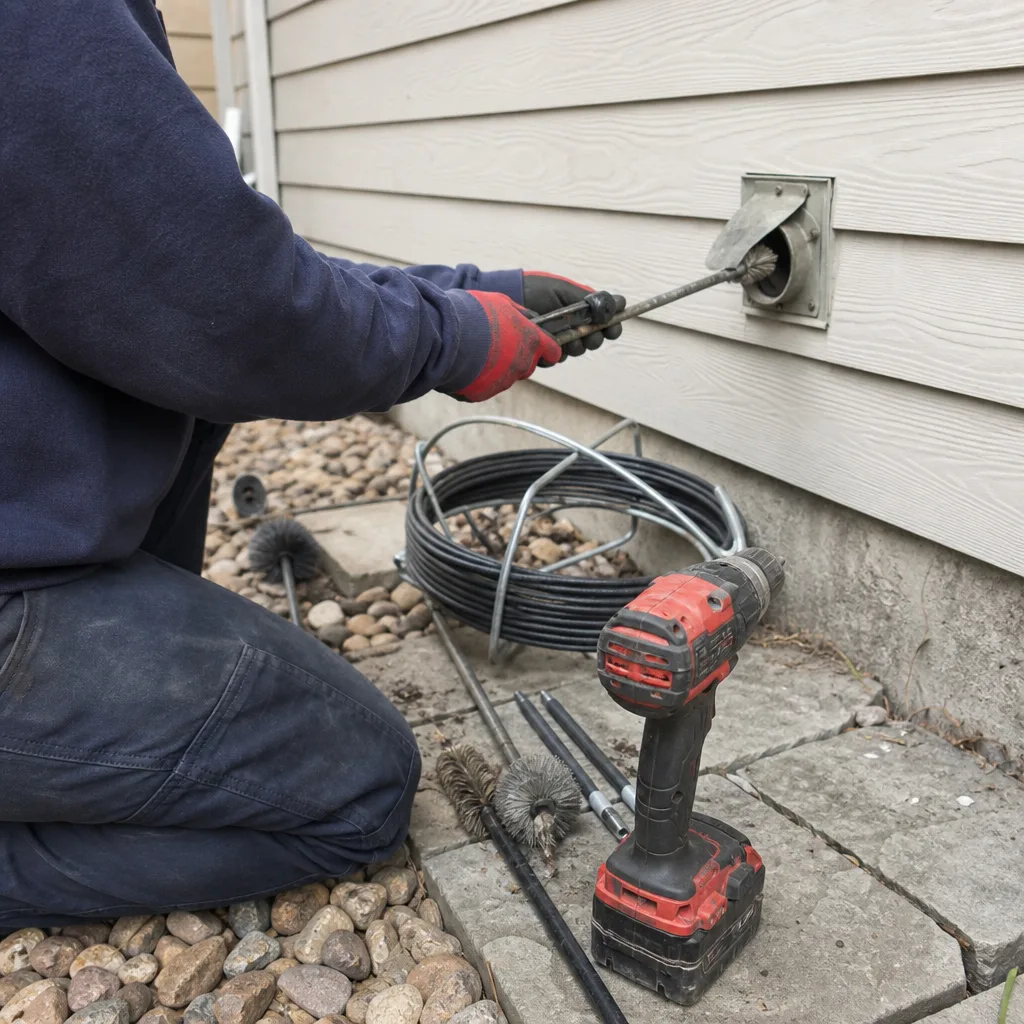
Bird Guard Installation
Starlings and house sparrows nest aggressively in Denver’s eaves and vent openings. A bird guard with proper mesh keeps them out without restricting airflow. We install guards that meet manufacturer specifications for the vent type, and we photograph the installation as part of the job record. This is standard on rural properties where bird pressure is constant.
Vent Cap Replacement
Damaged or missing vent caps let in weather, pests, and debris. We stock replacement caps sized for Denver’s common vent configurations and install them with proper clearances and sealant. A new cap with integrated bird guard solves multiple problems at once.
What happens when you call
- 1
A real person answersNo phone trees - you reach a local pro.
- 2
You get an upfront price rangeHonest numbers before anyone is dispatched.
- 3
A background-checked tech heads outLicensed & insured, dispatched right away.
- 4
You approve before work beginsNothing starts until you say go.
BeforeAfterTrusted Brands We Service in Denver
CleanRun crews carry professional-grade equipment from Nikro, Honeywell, and Abatement Technologies. These are trade-recognized brands customers can look up independently. We stock vent caps, bird guards, and transition duct components sized for Denver’s housing stock, from standard 4-inch round vents to the larger-diameter runs common in newer construction. That inventory means most jobs finish in a single visit without waiting on parts.
Common Dryer Vent Cleaning Problems We See in Denver Homes
- Rural dust loading from gravel roads. Properties on unpaved driveways or near open land see outdoor vent caps caked with fine dust, which restricts airflow and forces lint to back up through the entire run. The dryer works harder, runs hotter, and presents a higher fire risk long before the homeowner notices longer dry times.
- Wood-heat ash mixed with lint. Denver homes that burn wood through the winter introduce fine ash and creosote dust into the indoor air. That material settles in the dryer vent and binds with lint into a dry, dense mat. A surface cleaning leaves the real hazard in place.
- Long, neglected runs on outbuildings and rural properties. Detached garages, barns, and shop buildings often have dryer installations that go years without inspection. Flex duct gets crushed, sagging low points trap debris, and the homeowner may not realize dry times have crept up because the setup is out of sight.
- Static-prone lint from Denver’s dry air. At 5,280 feet with extremely low relative humidity, lint stays powdery and electrostatically charged. It travels farther down the run before catching and ignites faster than lint in humid climates. Source removal through the full pathway is essential.
Pricing for Dryer Vent Cleaning in Denver, CO
A standard dryer vent cleaning in Denver runs $180-$240 for a single-family home with a typical vent length under 15 feet. Rural properties, long runs exceeding 22 feet, outbuilding installations, or jobs requiring vent rerouting or bird guard installation typically fall in the $260-$340 range. Every quote is delivered in writing before work starts under Haven Standard Clause 1. No per-vent pricing, no add-ons after the crew arrives.
Factors that move the price: vent length and number of elbows, accessibility (crawlspace or attic routing), condition of the vent cap, and whether bird guard installation or vent rerouting is needed. We photograph the inspection findings, show you what we found, and give you a written scope with a single flat price. The 365-Day Done Right Promise applies to every job.
We Also Serve Cities Near Denver
CleanRun crews work throughout the metro, including Denver proper and the surrounding cities of Aurora, Englewood, Littleton, and Westminster. Scheduling and dispatch are coordinated from our Denver office. Wherever you are in the metro, the same written pricing, documented photo record, and H.A.V.E.N. Standard protections apply.
Serving Denver, CO - Our Local Coverage Area
We’re based in the Denver area and know this community well. Use the map below to see our service coverage - if you’re nearby, we can almost certainly help.
FAQs - Dryer Vent Cleaning in Denver
Every 9-12 months for rural Denver properties with gravel-road dust or wood heat, versus the 12-18 month standard for typical city homes. The semi-arid air keeps lint powdery and mobile, while dust and ash accelerate buildup. Call (720) 315-7291 and we’ll assess your specific setup during a free estimate.
Yes. Long runs on detached garages, barns, and shops accumulate more lint due to lower airflow and are often neglected for years. We inspect with camera equipment sized for extended runs, check for crushed flex duct and sagging low points, and quote any rerouting in writing. The photo record is especially valuable for outbuilding systems the homeowner rarely sees inside.
Denver’s dry, static-prone air lets lint travel farther before catching, and the 14-inch annual precipitation means there’s no humidity to weigh particles down early. Add gravel-road dust or wood-heat ash, and the clog accelerates. It’s a local combination of climate and land use that shortens the effective cleaning interval.
Yes. Starlings and house sparrows nest throughout Denver’s residential neighborhoods and rural acreages. A missing or damaged vent cap is an open invitation. We install bird guards with proper mesh sizing as part of standard service, and we document the installation in your photo record.
Yes, and the risk is elevated here. Denver’s dry lint ignites faster than humid-climate lint, and the combination of wood-heat ash, road dust, and static-charged material creates a more flammable load. The National Fire Protection Association identifies dryer vents as a leading cause of home fires. Source removal through agitation and HEPA extraction, documented with photography, is the effective response. Call (720) 315-7291 for a written estimate.
Written by Tomas Reyes, Owner at CleanRun Duct Repair & Cleaning, serving Denver since 2013.